POPULAR Spanish holiday hotspots are being battered by a dramatic double weather assault as brutal conditions continue to worsen across the islands.
Massive Saharan dust clouds are set to barrel towards the Canary Islands while violent winds and towering waves hammer Majorca just days before the Easter holidays.
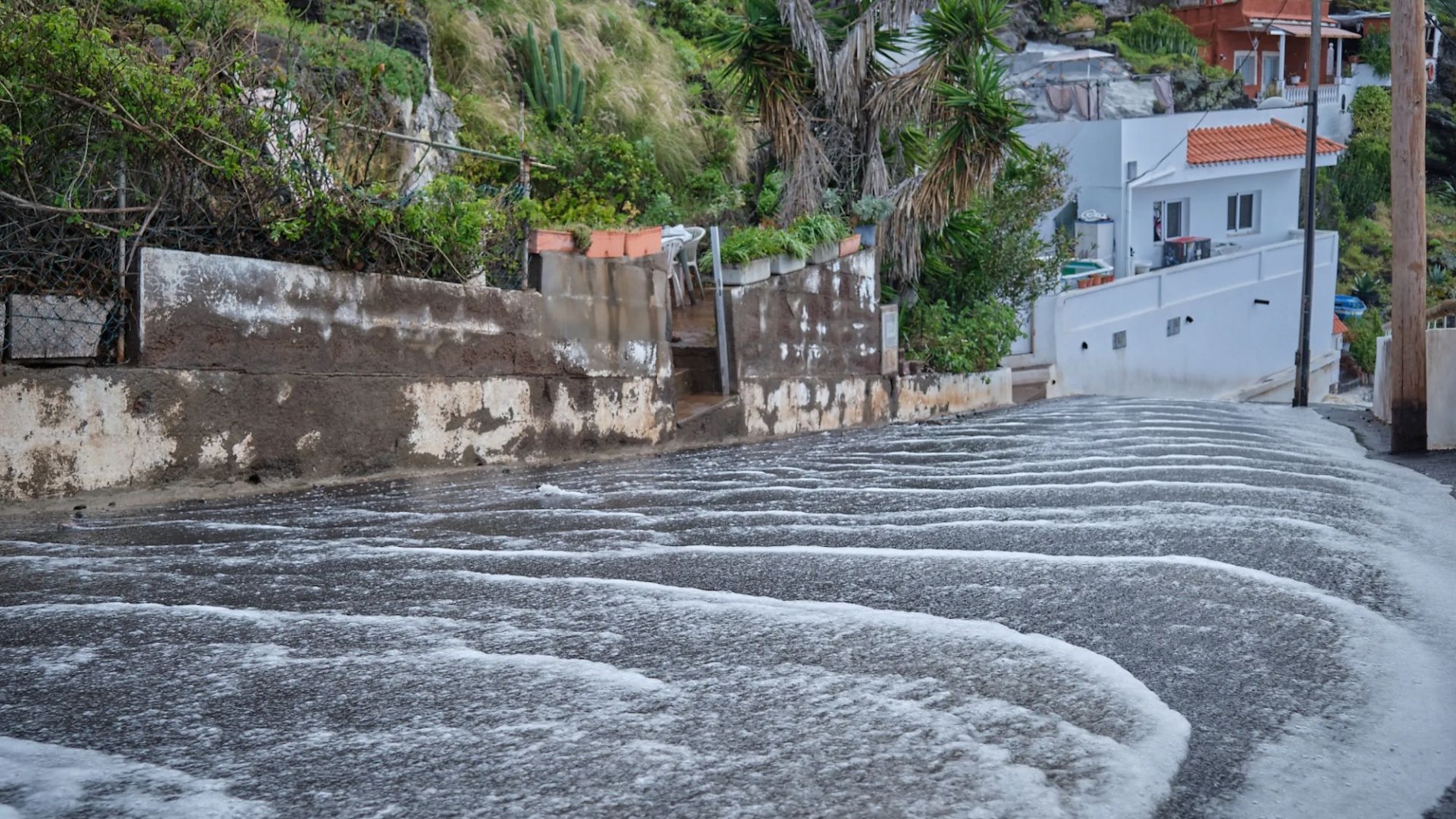
The latest weather chaos comes barely a week after an urgent “threat to life” alert was issued across the Canary Islands when Storm Therese battered the Brit-favourite holiday hotspot.
The fierce storm left a trail of destruction across the Spanish archipelago and tragically claimed the life of one person in Tenerife.
Now authorities have issued fresh warnings across multiple islands as dangerous conditions threaten to disrupt daily life once again.
Holy Week has begun in Majorca under a blanket of severe weather warnings as powerful gusts tear across the island.

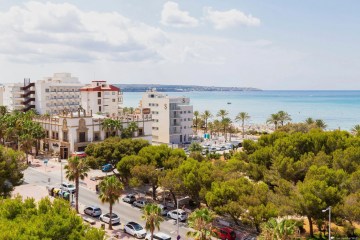
On Holy Monday (March 30) the entire island has been placed under a yellow alert for winds of up to 60mph.
Meteorologists warn gusts could exceed 60mph on exposed peaks and headlands, with some forecasts suggesting winds may even blast past 68mph in the highest areas.
The warnings remain in place until midday, though the eastern coast faces alerts until 1pm.
The island’s coastline is also under threat from violent seas.
Orange warnings were issued early Monday for the Serra de Tramuntana, the north-east coast and eastern shoreline due to monstrous waves of eight to nine metres.
At their most extreme, the waves could tower up to 12 metres high, smashing against the coast.
Later in the day the alerts are expected to ease slightly but remain dangerous, with three to four metre waves forecast until 5pm.
In southern Majorca, coastal warnings remain at yellow level until midday.
The powerful winds are blasting in from the north and north-east, before gradually easing later in the afternoon to lighter breezes from the west.
Despite the wild conditions, skies across Majorca are expected to remain mostly clear, although the biting wind will make temperatures feel colder than they are.
Daytime temperatures are forecast to rise slightly but may still stay below the seasonal average of 18°C in some areas.
The stormy weather comes just days after the island experienced its most dramatic snowfall in years.
Geographer Albert Darder said Sunday brought “the best snowfall in the last three years” in the Serra de Tramuntana mountains.
He added it was “the snowiest Palm Sunday since 1969 and the most significant March snowfall in 13 years.”
AEMET has warned that strong winds could continue into Tuesday, particularly across the north-east and eastern parts of Majorca, with further coastal alerts possible.
Weather stations across northern areas are already recording particularly powerful gusts, raising fears the stormy conditions could intensify again.
Meteorologists also warn more rain could arrive, bringing the possibility of fresh snowfall in the mountains.
A widespread Calima alert has been activated across the Canary Islands, with experts warning the incoming Saharan dust plume could be stronger and more noticeable than usual.
Meteorologists warn a powerful flow of air from North Africa is dragging an unusually large volume of fine dust particles across the Atlantic towards the islands.
Unlike many Calima events that only affect certain areas, this dust cloud is expected to spread across the entire archipelago.
Experts say the plume will also climb higher than normal, engulfing mid-level areas and mountain regions, not just the coastline.
The regional government issued a pre-alert from midday on Monday (March 30) following forecasts from Spain’s meteorological agency AEMET.
The conditions are expected to build throughout Monday before peaking on Tuesday, meaning the choking haze could linger far longer than usual.
The calima will arrive from east to west, with Lanzarote and Fuerteventura hit first before the haze spreads to Gran Canaria, Tenerife and the western islands later in the day.
By Tuesday, much of the Canary Islands could be blanketed in dense Saharan dust, creating gloomy skies and a sharp drop in air quality.
The dry desert air may also cause temperatures to creep up slightly.
Health officials are urging residents and visitors to take precautions as the dust particles can irritate the lungs and throat.
Fine airborne particles known as PM10 can cause breathing problems, particularly for people with asthma, allergies or other respiratory conditions.
Even healthy people may notice dry throats, itchy eyes and difficulty seeing clearly outdoors.
Authorities are advising people to keep windows and doors shut, avoid outdoor exercise and wear face coverings if they have breathing issues.
Drivers are also being warned to take extra care on the roads as visibility could fall sharply.