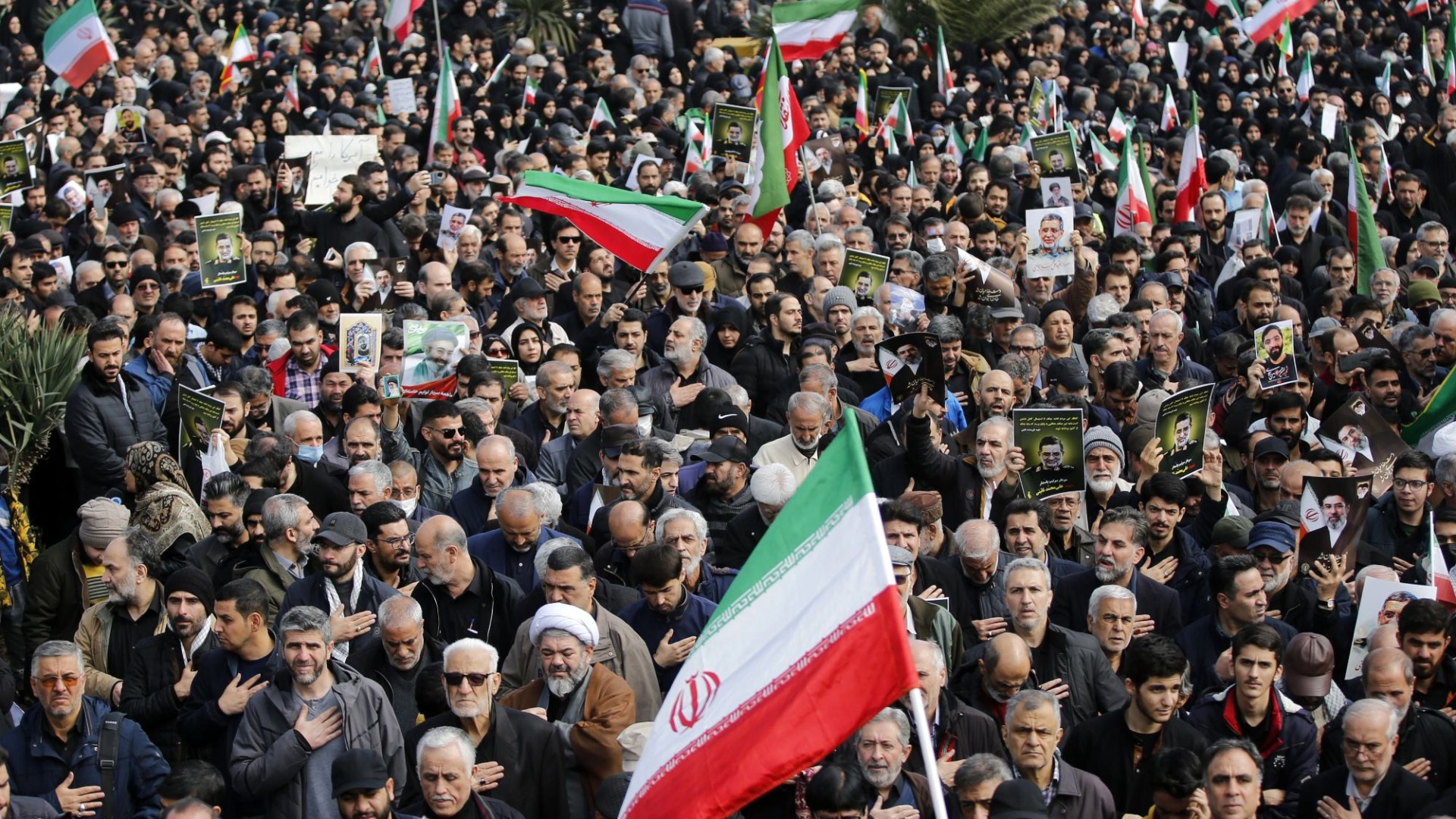
FEARS are mounting that as many as 1,000 Iranians linked to the regime may be embedded across Canada, it has been reported.
Members of the IRGC – the Islamic Revolutionary Guard Corps, which was designed a foreign “terrorist” organisation by the US in 2019 – are behind multiple attacks across Europe and the US.
Michelle Rempel Garner, an MP for the Canadian opposition, described the number of former members in the country as a “huge problem.”
“That’s not just a concern for our country, it is a concern for our security partners and allies,” she said.
The Canadian government has identified 32 high-ranking Iranian officials living in their country and has flagged them for deportation, the NY Post reported.
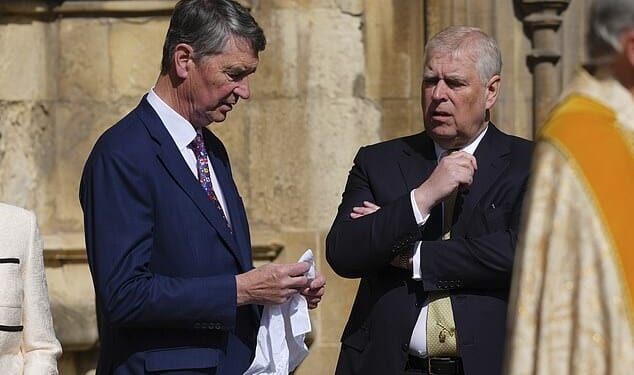
Top Iran regime members in the country reportedly include Abbas Omidi, who was accused of being deputy head of exploration in Iran’s Ministry of Industry, Mine and Trade from November, from 2019 until 2021.


The Canada Border Services Agency (CBSA) want Omidi deported from the country for allegedly having served as a high-ranking official in the Iranian regime.
Former Director General of Iran’s Ministry of Roads, Afshin Pirnoon, was allowed to remain in the country after Canada’s Immigration and Refugee Board blocked the border security agency’s request to deport him last year.
He didn’t exert “significant influence” over Iran’s totalitarian government, it was alleged at the time.
Only one Iranian official, whose name has not been reported, has been booted from the country so far, The Toronto Star reported.
Canada’s Minister of Public Safety Gary Anandasangaree, said last week the number of IRGC members in the country is “not substantiated.”
Immigration, Refugees and Citizenship Canada has cancelled 239 visas of possible Iranian officials as of March 5, according to a statement.
Since the US and Israel launched a war on Iran, Western security services – including Europol – have warned of an increased terrorist threat, targeting Jewish and Israeli sites.
The International Centre for Counter-Terrorism (ICCT) has warned that these concerns “appear to be materialising.”
“Since March 9, a series of attacks, primarily directed at Jewish sites, have unsettled Europe,” the ICCT said in a report published earlier this week.
“The first incident occurred in the early hours of March 9, when an improvised explosive device (IED) was detonated in front of a synagogue in the Belgian city of Liège.
“Although the blast caused no casualties and only limited damage, Belgian Prime Minister Bart De Wever described it as ‘an attack on our values and our society.’
“Since then, attacks have occurred in the Netherlands, and most recently on March 23 in London, when four cars belonging to a volunteer Jewish ambulance service were set on fire.“
Concerns about Iran’s potential involvement in these attacks, particularly in light of the observed online patterns, are not unfounded, given Iran’s long-standing history of conducting hybrid operations abroad.
A recent study identified 218 Iranian external operations, including assassinations, abductions, intimidation and surveillance plots since 1979, of which 102 occurred in Europe.