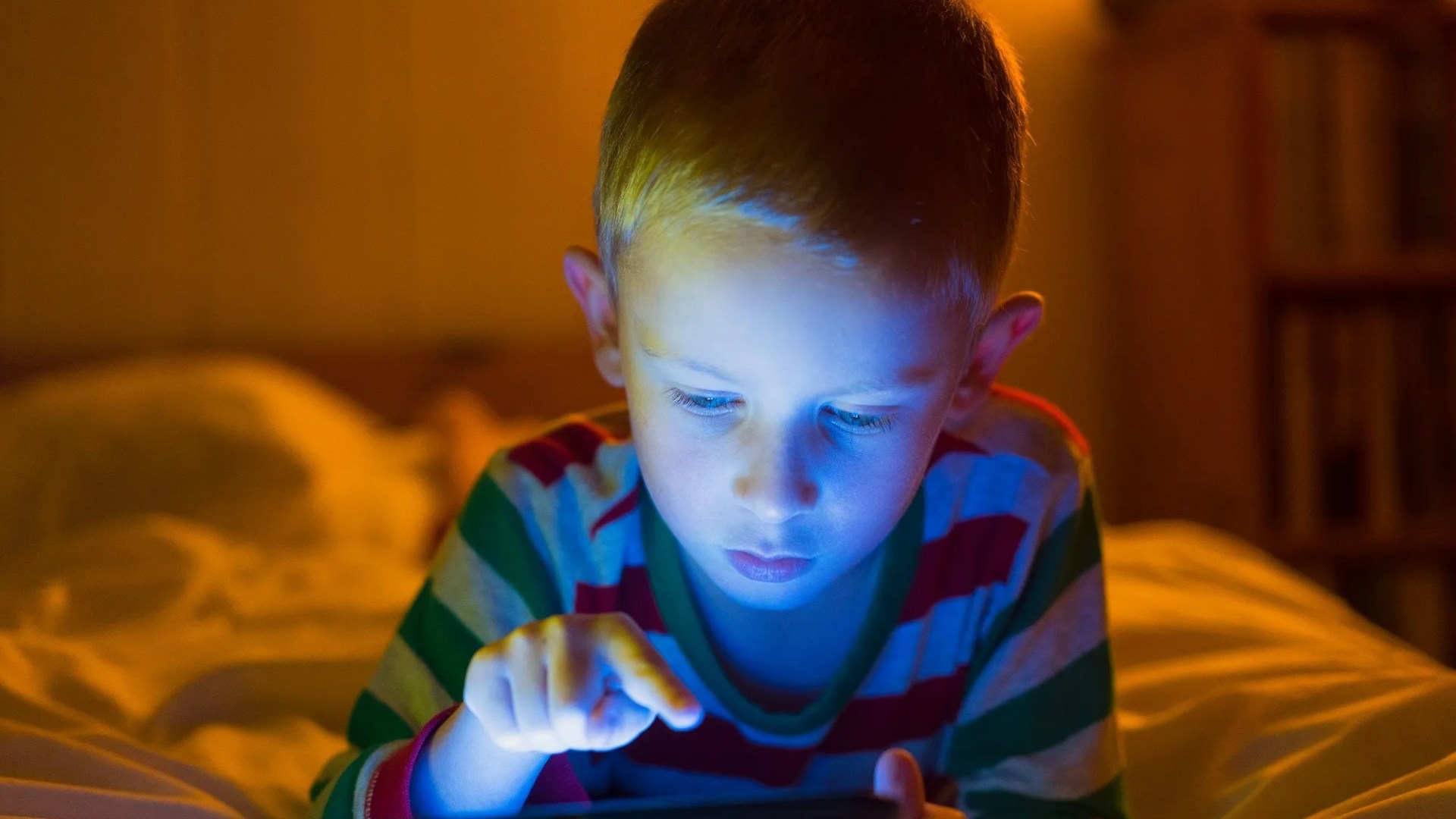
THE need to get kids off screens, and learning and having fun in other ways, has never been more pressing.
We reported how latest government advice is that time on phones, iPads, laptops and the like should be limited to no more than an hour a day.
Before age two it is best avoided entirely, other than for shared activities with parents which develop communication skills.
Tanith Carey, child development expert and author, says: “Children learn best from real-world interaction.
The fact screen time has been creeping up is why kids turn up at school unable to express themselves clearly, and short on vocabulary.
This leads to frustration, behaviour issues and delays in learning.”

Here, she shares ways to get tots off devices . . .
COOKING TOGETHER: Even very young kids want to help, and where better than in the kitchen?
They can stir, weigh and measure, whisk eggs, grease pans and sift flour. They will learn about food and also simple maths.
CREATE CHARACTERS: Most children have a favourite TV show, so get creative around its characters.
Make puppets out of paper bags and lolly sticks, or sock poppets. Let little ones act out characters to build their abilities to communicate.
ROTATE TOYS: Do not flood tots with toys — limit them to four or five a week and rotate these over time.
If you hide some then get them out again, kids will play with them in imaginative new ways.
GET OUTDOORS: Learning to ride a bike is a great way to get some fresh air, or suggest a family wildlife safari or bug hunt.
Bark-rubbing is also fun and easy to do.
PLANT SEEDS: Little minds love to create and one way is planting.
Choose things that grow quickly, like runner bean or cress seeds.
SHOEBOX WORLDS: Young ones can build their own dinosaur or sea-life worlds in a shoe box using things such as bubble wrap, toilet rolls, newspaper and boxes.
SHOPPING CHALLENGES: If little scamps demand your phone when you are out shopping, distract them with a fun challenge.
Ask them to search for the same letter in shops, on signs or car number plates.
Very young children could look for different colours.
CARD GAMES: These teach everything from colours, to numbers and pattern recognition, and are small enough to take into restaurants.
Snap, Dobble and Uno are all popular. You can also encourage kids to learn games they can play by themselves, such as Patience.
BUBBLES AND CHALK: With the cost-of-living crisis, we do not want to fork out for lots of new toys to fill up time away from screens.
But there are cheap ways to have fun.
Bubble solution costs next to nothing — or give children pavement chalk and let them draw on a wall or paving slabs outside — it will then wash away in the rain.