
POPULAR foods like kimchi and kombucha touted for their gut benefits could pose hidden health risks and fuel heart disease, experts warn.
Fermented kimchi is rich in probiotics but can also be high in salt, the British Heart Foundation (BHF) – upping the risk of heart attack or stroke by driving up blood pressure.

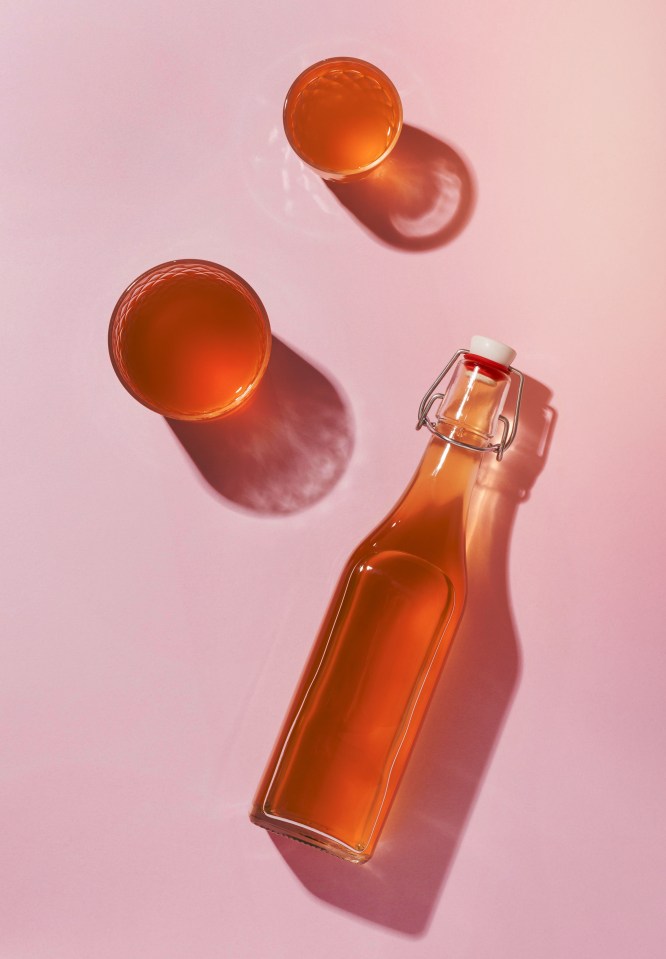
Meanwhile, kombucha can seem a healthy alternative to fizzy drinks. But some brands can be high in sugar, which can strain the heart by causing weight gain.
The BHF has urged consumers to look more closely at labels on these popular products, checking that the amount of salt and sugar don’t cancel out their health benefits.
The charity also issued advice on other fermented foods like sauerkraut.
Like kimchi, it’s often made with a lot of salt, so it can raise blood pressure if eaten frequently or in large quantities.
Read more on heart health


Shop-bought versions may also be pasteurised, which removes most live bacteria.
The BHF urged consumers to have smaller portions and also look for lower-salt varieties.
As for gut-friendly items that are also high in sugar, experts pointed to flavoured or fruit-based yoghurts.
A good source of probiotic live cultures, protein and calcium, high levels of added sugar in some can drive up blood pressure and cause weight gain -which can then heighten the risk of a heart attack or stroke.
Experts advised people to instead add fruit to plain yoghurt with “live and active cultures”.
Smoothies can seem like a good way to boost digestive health, as they can be rich in vitamins and antioxidants.
But blending breaks down the structure of fruit, releasing “free sugars” that behave like added sugars.
Don’t have more than a 150ml serving and add nuts and seeds to keep blood sugar levels stable, the BHF suggested.
While the charity stresses these foods are not harmful in moderation, there are “potential drawbacks” when it comes to added salt and sugar.
Tracy Parker, nutrition lead at the BHF, said: “We encourage everyone to choose foods that can keep their gut microbiome healthy.
“The benefits are clear, and we are continuing to improve our understanding of how a gut-friendly diet may help our hearts.
“A lot of these products can contain high levels of salt or sugar though, so it is important to be aware of the potential drawbacks.
“By ensuring you check package labels for added salt and sugars, and eat each in moderation, you can make sure the risks do not outweigh the benefits for your heart health.”
Probiotic foods contain healthy bacteria, which ensure your gut microbiome is varied and healthy.
‘Good’ gut bugs have been linked to reduced inflammation, better metabolism and better heart and circulatory health.
On the other hand, ‘bad’ bacteria in the gut produce chemicals that cause problems in the heart and blood vessels by increasing inflammation and altering how cholesterol – a fatty substance – is processed in the body.
These bacteria thrive on diets high in fat and red meat.
You can also add ‘good’ bacteria to your gut by eating wholegrains like oats, beans and lentils, bananas and onions.
They contain prebiotics, a type of fibre.
How to lower blood pressure
Persistent high blood pressure (hypertension) puts extra strain on your blood vessels, heart and other organs.
It can raise your risk of serious conditions like heart disease, heart attacks and stroke. Here’s how to reduce it.
Reduce salt
Adults are recommended to limit their salt to 6g per day (around one level teaspoon) to avoid health consequences including high blood pressure.
The top tip is to swap out table salt, according to the Salt Substitute and Stroke Study, replacing it with a reduced sodium and added potassium alternative.
Cut down on alcohol
Excessive boozing can narrow the blood vessels, which raises the risk of hypertension.
Official drinking guidelines advise that people should not regularly drink more than 14 units a week to keep health risks from alcohol low.
Get moving
Exercise is good for the heart and the blood vessels.
Although the guidelines recommend 150 minutes of activity per week, if you’re currently very inactive, just a walk to the shop every day is better than nothing, and you can work up from there.
Studies suggest that isometric exercises – when you hold the body in one position without moving, such as a wall squat or plank – are best for lowering blood pressure.
Stop smoking
Smoking cigarettes is a killer. It makes the arteries sticky and narrow, which can cause blockages.
While smoking is not a direct cause of high blood pressure, it can cause an instant rise to pressure, heart rate and reduce the amount of oxygen that gets to the body’s cells.
Skip coffee
Sadly, caffeine can cause a short, but dramatic increase in your blood pressure – even if you don’t have high blood pressure.
Therefore cutting back on coffee is recommended as a lifestyle tip for those with hypertension.
Lose weight
The above tips can help you to lose weight, which is beneficial because being overweight in itself is a risk factor for hypertension.
Being overweight forces your heart to work harder to pump blood around your body, which can raise your blood pressure.
The only way of knowing whether you have high blood pressure is to have a blood pressure test. All adults over 40 years old are advised to have their blood pressure checked at least every five years.