CRACK British troops downed 14 drones in their biggest nightly blitz of the Iran war.
Air defence soldiers in Iraq blew the drones to bits with laser-guided Martlet missiles.
It brings their tally to close to 70 – compared to just five shot down by British jets.
The latest shoot downs came as Tehran ramped up its rate of attacks.
A defence official said: “Over the last few days, until last night, there was a reduction in the rate of firing both ballistic missiles and one way attack munitions.
“Over the last night we saw that step up again.”
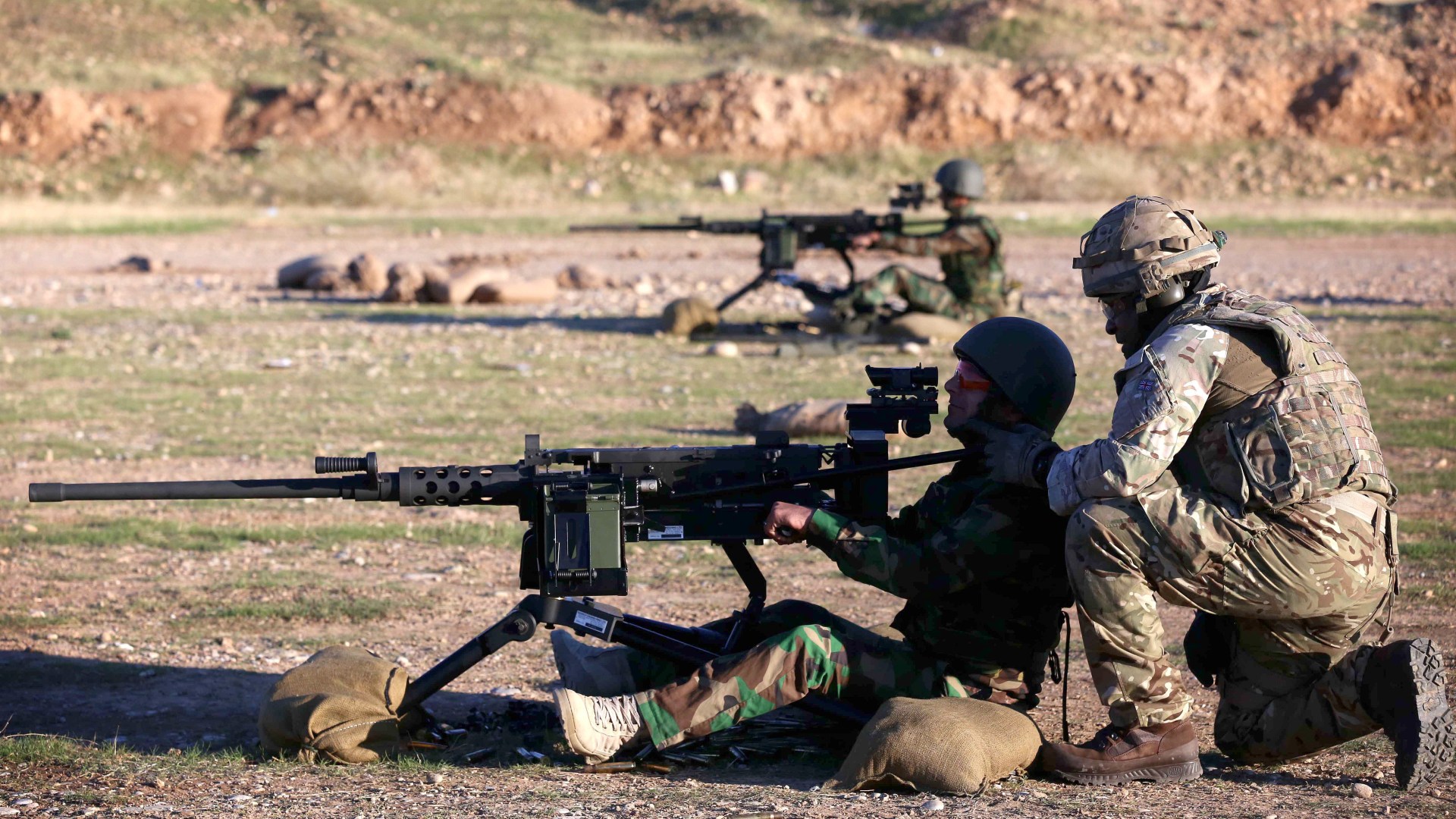
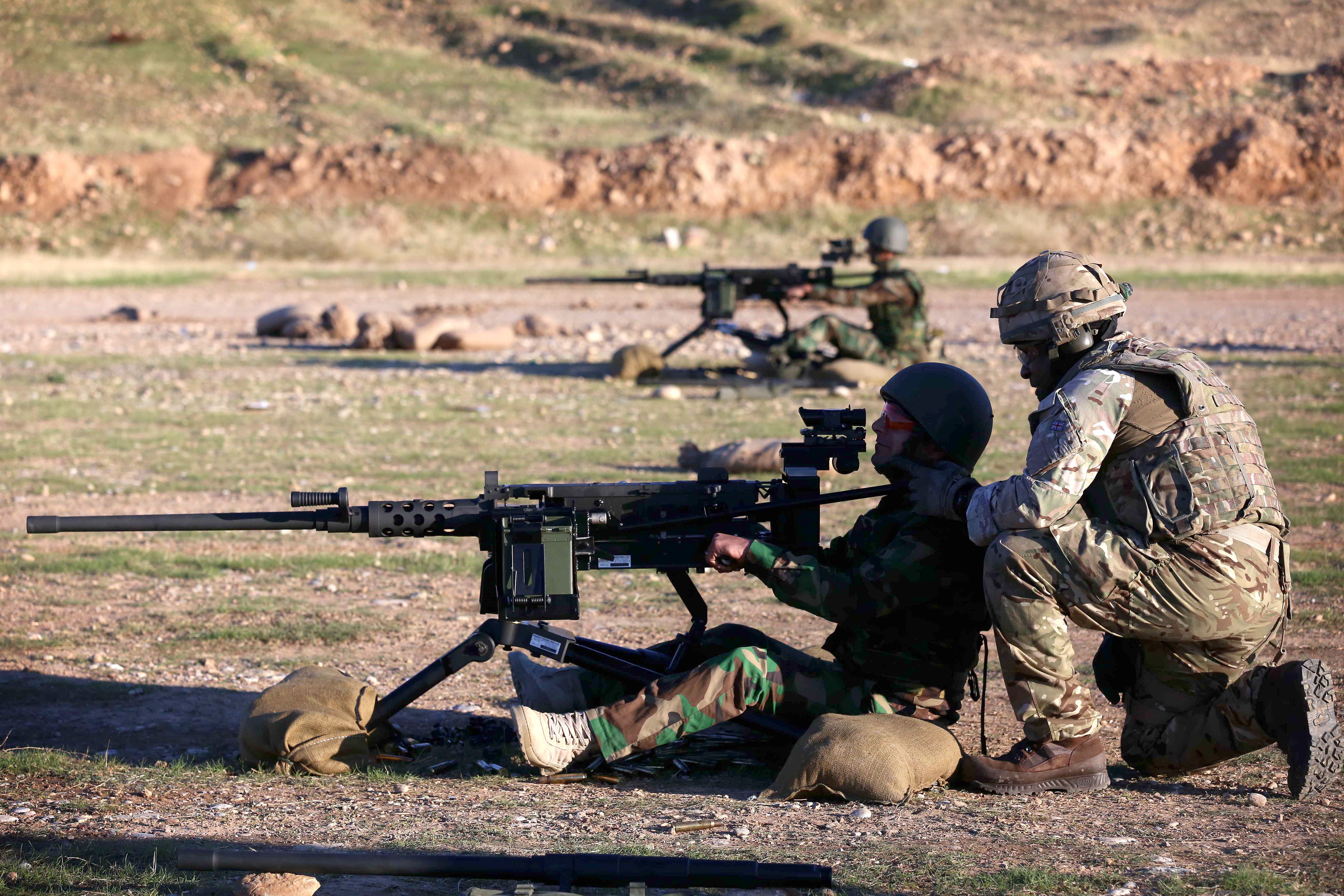
The RAF Regiment troops were defending a base in Erbil, in northern Iraq.
The defence source added: “In Erbil, where we have UK forces operating, they shot down 14 one-way attack drones just last night and that is the largest number they have shot down.”
He said the “rate of attacks” had returned to the tempo seen before Eid.
The official insisted America was trying to destroy Iran’s weapons factories.
But he added: “We know from intelligence reporting that the Iranians retain the ability to fire ballistic missiles, albeit at a lower rate than right at the start. Similarly one-way attack drones.”
The RAF Regiment’s rocket launchers have a range of up to four miles.
They fire Martlet Lightweight Multi-Role missiles which are designed to explode when they get close to their targets, to rip them apart with shrapnel.
The troops in Erbil have faced nightly bombardments since the US and Israel attacked Iran.
The ground based Rapid Sentry launchers are the “last line of defence” when high tech jammers fail.
The MoD bought them in secret after Russia in 2022.
They use radars and an “ultra long-range thermal imaging camera” to detect incoming drones. Radio sensors can also detect transmissions between the drones and their controllers.
The Rapid Sentry launchers fire the same supersonic LMM missiles that are strapped to the wings of the Navy’s Wildcat helicopter gunships patrolling the eastern Mediterranean.
The superlight missiles weigh 13kg and can reach 1.5 times the speed of sound.
Defence Secretary John Healey said the RAF Regiment had been active almost every night of the war.
Top Brass flew in extra missiles days into the war.
At least one French soldier has been killed and dozens of US and French soldiers injured by the waves of Iranian strikes in Iraq.
Air Commodore Paul Hamilton, commandant of the RAF Regiment, said: “We always have options – detect, disrupt, or defeat.”
He added: “Rapid Sentry gives us a credible kinetic safeguard when a drone cannot be defeated electronically.”
The RAF Regiment troops are drawn from 2 Force Protection Wing based at RAF Leeming in North Yorkshire.
The RAF regiment said its specialists were “actively detecting, tracking and neutralising airborne threats, working closely with coalition partners to ensure the safety of personnel and the continuity of operations”.
The MoD said it was working “closely with Ukraine” to apply lessons on how to ramp up air defences in high threat environments.
Separately five types of aircraft – Typhoon and Lightning jets and Wildcat and Merlin helicopters and Voyager refuellers – conducted “defensive air patrols” over the eastern Mediterranean.