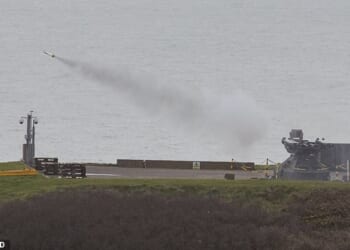
Are you sitting safely when you board a plane for your summer holiday?
The answer, after analysing aviation data, is ‘yes’. Flying remains one of the safest ways to travel, based on records of both airline standards and aircraft track records.
Yet, while carriers such as Qantas and Air New Zealand boast decades without fatalities, 138 others are deemed so unsafe they’re banned from UK airspace.
According to the Civil Aviation Authority: ‘Certain airlines are banned from operating in European airspace (including UK airspace) because they are found to be unsafe and/or they are not sufficiently overseen by their authorities.’
The aviation world was, of course, shaken again this week by the Air Canada crash at New York‘s LaGuardia Airport. The pilots on that flight, both killed in the crash, saved the lives of countless passengers because of their ‘incredible reflexes‘ in slowing down the jet before it collided with a fire engine on the runway.
It comes less than a year after the Air India disaster, when a Boeing 787 flight from Ahmedabad to Gatwick crashed shortly after take-off, killing 241 passengers and crew along with 19 on the ground – with just one onboard survivor. The tragedy raised urgent questions about airline maintenance practices and aircraft safety systems.
With these incidents fresh in people‘s minds, the Mail has delved into recent aviation records.
Here we can reveal the world’s three safest aircraft along with the 25 safest legacy airlines, 25 safest short-haul carriers – and the least safe airlines.
WORLD’S SAFEST AIRCRAFT
Airbus A380
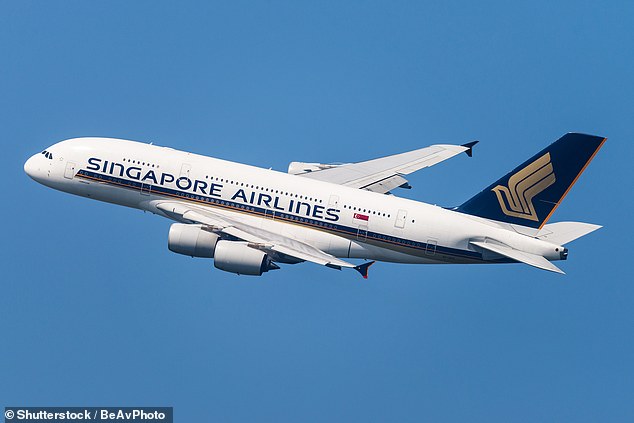
The Airbus A380 is the largest passenger plane ever built and is the only full-length double-deck aircraft, capable of carrying more than 850 passengers
The Airbus A380, first flown commercially with Singapore Airlines in October 2007, is one of the world’s safest aircraft. The full-length double-deck jet has a flawless safety record, with zero fatalities or hull losses (aircraft write-offs), despite completing nearly one million flights. With smart flight systems and four engines for backup, it gives pilots excellent visibility and can keep flying if one – or even two – engines fail.
Boeing 717
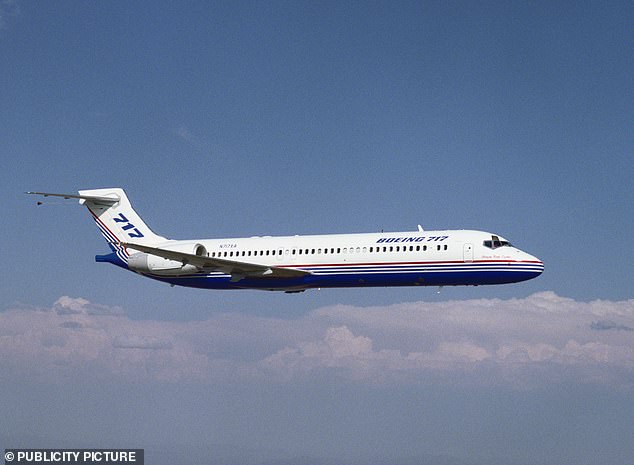
The Boeing 717 is a twin-engine, single-aisle jet designed for short- to medium-haul routes. The airliner was developed for the 100-seat market
Another aircraft to share the same safety record since its first flight almost three decades ago is the Boeing 717. This single-aisle plane has two Rolls-Royce engines at the back which help keep it stable and a 100-seat configuration for efficient operations that do not compromise on safety margins. The aircraft launched in 1998. There are 99 still in operation, used by Delta Air Lines and Hawaiian Airlines.
Boeing 787
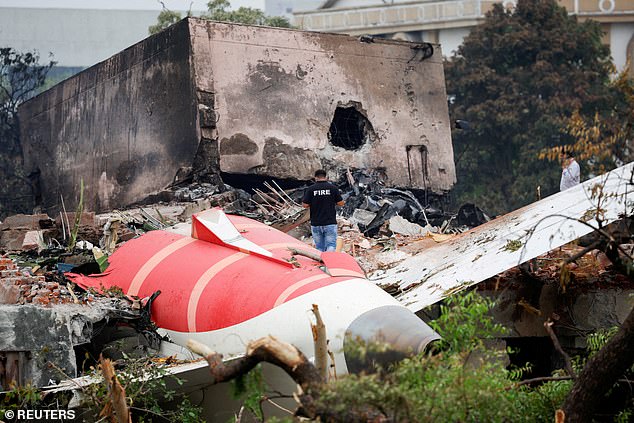
Until last June’s tragic Air India crash, Boeing’s 787 Dreamliner had an exemplary safety record with no fatalities or hull losses
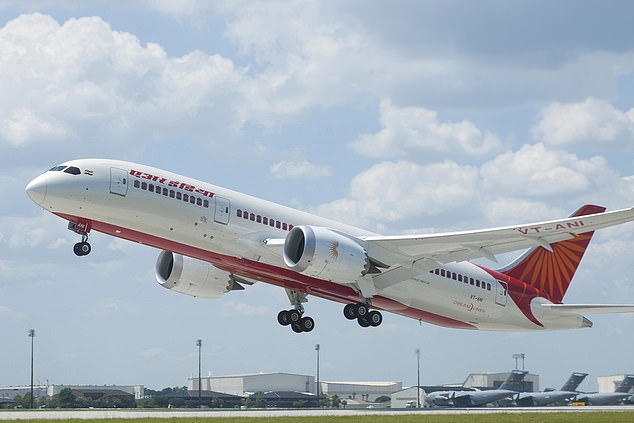
The Boeing 787 Dreamliner is a family of long-range, mid-size, twin-engine jet airliners that can seat 242 to 335 passengers
Until last June’s tragic Air India crash, Boeing’s 787 Dreamliner had an exemplary safety record with no fatalities or hull losses. Last year, the aircraft celebrated carrying its billionth passenger, despite launching just 14 years ago. And investigation into the Air India crash found no evidence of a Boeing fault.
WORLD’S SAFEST AIRLINES
The world’s safest airlines were revealed by Airlineratings.com, the only airline safety and product rating website. Each year, the site ranks the top 25 safest legacy and low-cost airlines out of 385 worldwide, based on fleet age, incident rates in the past five years, fatal crashes in the past ten years, pilot-related incidents and international safety audits. Airlines that meet all the safety criteria are awarded a full seven-star safety rating.
Top 25 safest legacy airlines
1. Air New Zealand
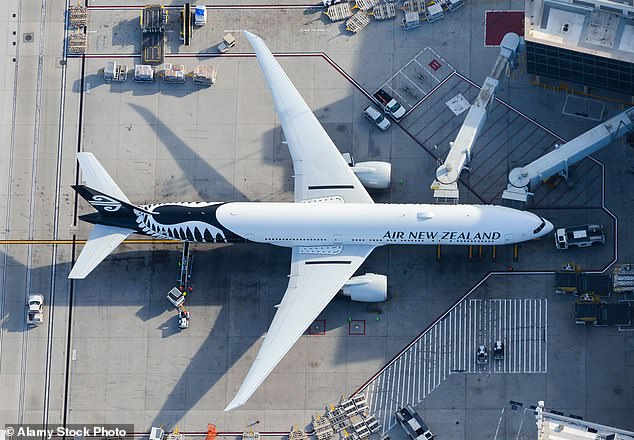
Topping the list for legacy airlines in 2025 is Air New Zealand, which is renowned for its high safety standards, quality pilot training and young modern fleet. The flag carrier also took the crown in 2022 and 2024, with Australian airline Qantas winning in 2023.
‘Only 1.5 points separated the top two airlines,’ said Airlineratings.com CEO Sharon Petersen. ‘Air New Zealand’s younger fleet gave it the edge over Qantas.’
The airline has a perfect seven-star safety rating from Airlineratings.com.
2. Qantas
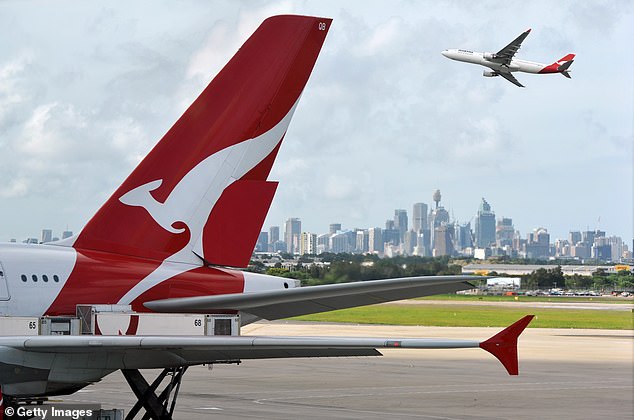
Australia’s flag carrier Qantas is the world’s second safest airline. Since launching in 1920, Qantas has seen zero fatal jet accidents, has an impressive safety management system and encourages staff to report safety concerns. Widely recognised as the world’s largest long-distance airline, it is the only airline serving all seven continents. It also earns a full seven-star safety rating.
3. Cathay Pacific, Emirates and Qatar Airways
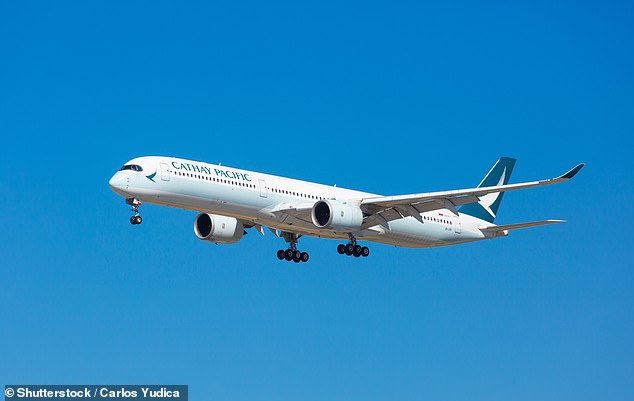
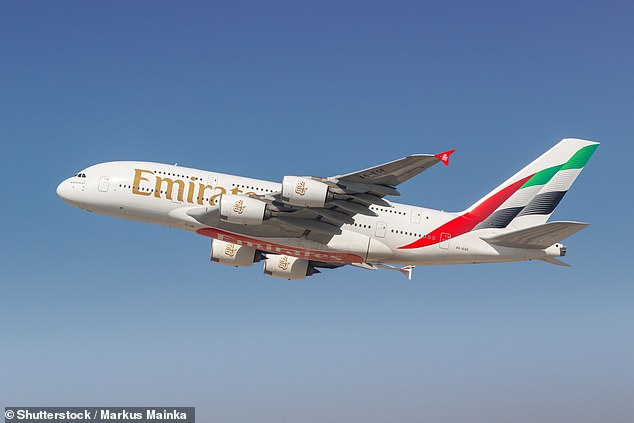
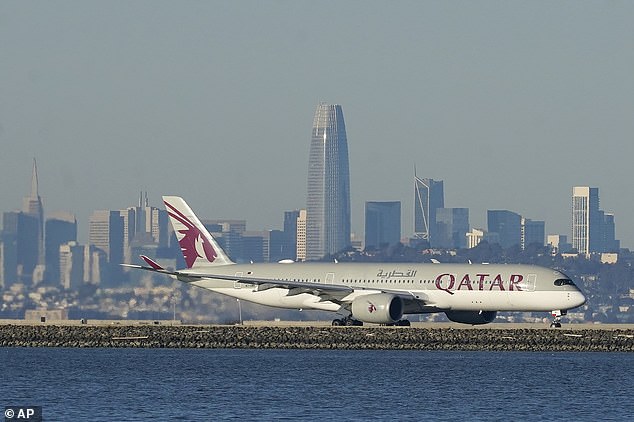
Tied in third place are three aviation heavyweights – Cathay Pacific, Emirates and Qatar Airways – all with a seven-star safety rating. ‘We simply could not separate these airlines,’ said Petersen. ‘From fleet age to pilot skill, safety practices, fleet size and number of incidents, their scores were identical.’
Hong Kong’s Cathay Pacific sets the bar with its famously rigorous cabin crew training. Emirates has robust emergency response plans and a fleet averaging 11 years. Meanwhile, Qatar Airways – eight-time winner of the ‘World’s Best Airline’ by the World Airline Awards – pairs its luxury reputation with diligent aircraft maintenance protocols.
4. Virgin Australia
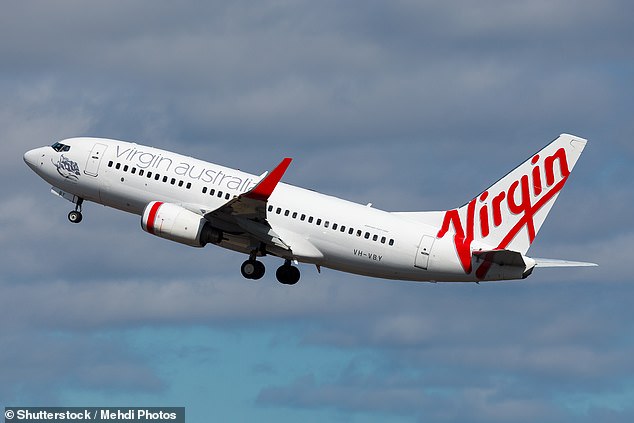
Down one place from 2024, Virgin Australia is the world’s fourth safest airline. In June of that year, one of its pilots made an emergency landing following a suspected ‘bird strike‘ during a flight from Queenstown, New Zealand, to Melbourne, Australia. All 67 passengers and six crew members emerged physically unharmed from the incident. The airline has a full seven-star safety score.
5. Etihad Airways
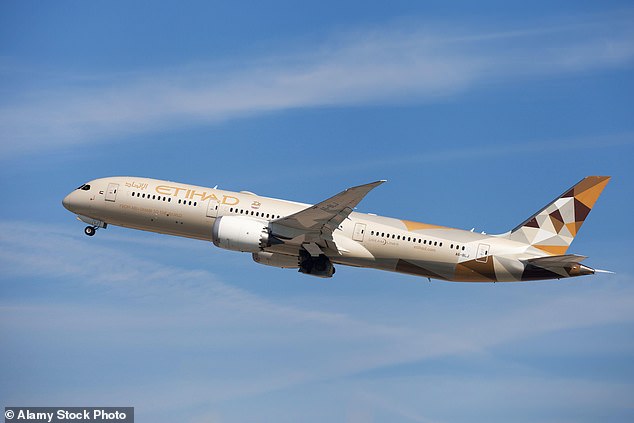
Etihad, launched in 2003, maintains an exemplary safety record with no fatal accidents to date. In April, the airline joined IATA’s Turbulence Aware programme, using data from its 100 Airbus and Boeing aircraft to help pilots avoid rough air. It earned a perfect seven-star safety score.
6. ANA (All Nippon Airways)
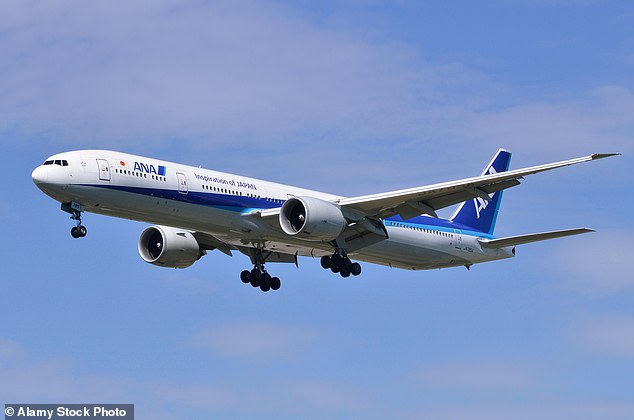
ANA also achieved a full seven-point rating. The Japanese carrier has had no serious pilot incidents in the past six years, no fatal accidents in the past decade and has cleared all major audits.
7. EVA Air
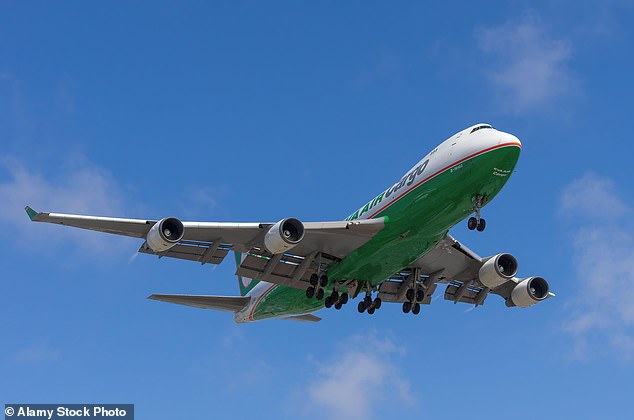
Ranking seventh, Taiwan-based EVA Air has established itself as one of Asia’s top airlines. This marks the airline’s 12th consecutive year of earning a place among the global ratings for the safest airlines worldwide.
It scores seven out of seven for safety, with no major pilot incidents in five years, no fatal crashes in 10 years, and a clean record in all major audits.
8. Korean Air
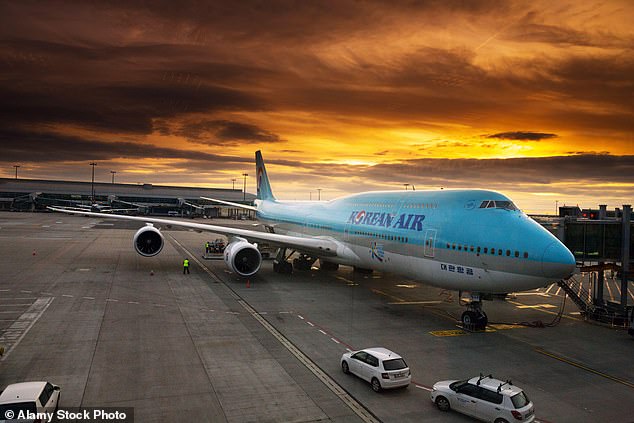
Korean Air’s safety record has significantly improved in recent years, moving from one of the world’s most dangerous airlines to 2025’s eighth safest airline. In the late 90s, the airline was known as ‘an industry pariah, notorious for fatal crashes’ due to a poor safety record.
It scores a full seven marks for safety in the ranking.
9. Alaska Airlines
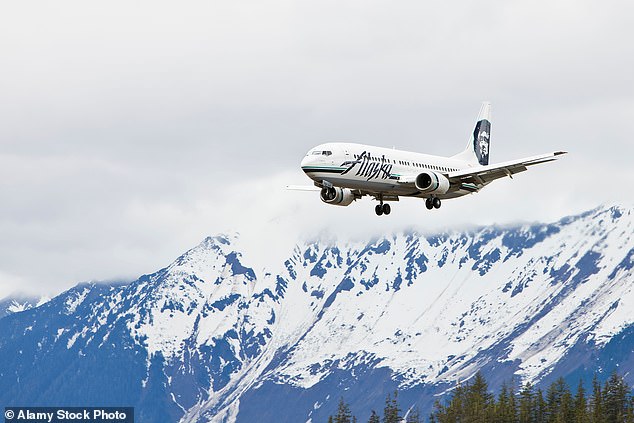
Coming ninth worldwide, Alaska Airlines is also the safest major US carrier. The airline has recently made significant changes in oversight, training and quality control after an incident in January 2024.
The event led to the airline temporarily grounding its Boeing 737-9 Max fleet after a critical door plug detached mid-flight from Portland to Ontario, USA.
Airlineratings.com now scores it seven out of seven for safety.
10. Turkish Airlines
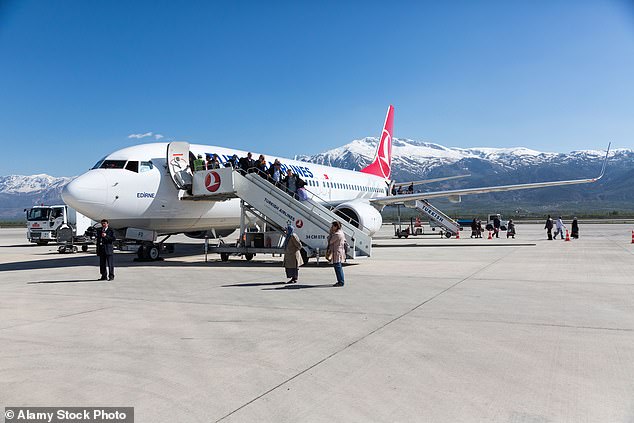
Rounding off the top 10 is Turkish Airlines which earns a perfect seven-star safety rating and the title of Europe’s safest airline.
- Completing the top 25 ranking is TAP Portugal (11th), Hawaiian Airlines (12th), American Airlines (13th), SAS (14th), British Airways (15th), Iberia (16th), Finnair (17th), Lufthansa/Swiss (18th), JAL (19th), Air Canada (20th), Delta Airlines (21st), Vietnam Airlines (22nd) and United Airlines (23rd).
Top 25 safest budget airlines
1. Hong Kong Express
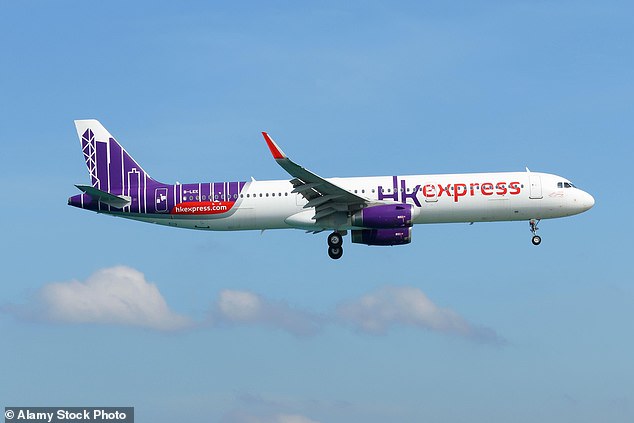
The safest low-cost airline is Hong Kong Express, with a seven-star safety score. The carrier serves 27 destinations across Asia including China, Japan, Malaysia, Thailand and Vietnam.
Although a budget airline, the company has a strong safety record, without a single fatality or hull loss incident. It also invests in regular fleet maintenance and updates.
2. Jetstar Group
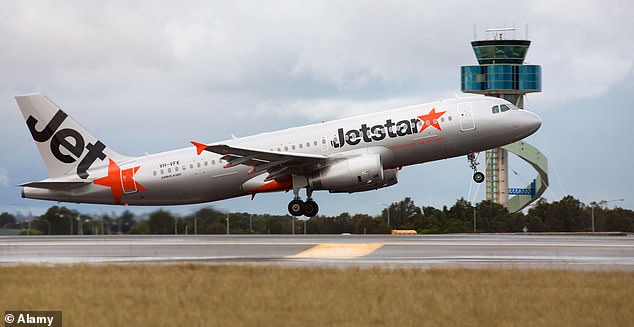
Launched in Australia in 2004, Jetstar Group is the world’s second-safest budget airline according to the ranking. Jetstar-branded carriers operate more than 5,000 flights a week to more than 85 destinations.
The group was awarded a full seven-star safety rating in the report.
3. Ryanair
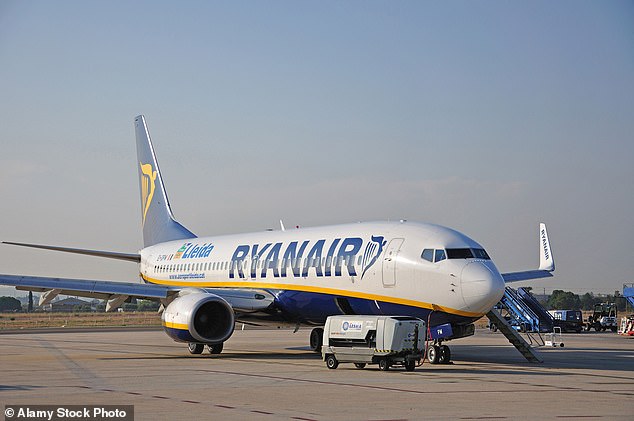
Ryanair completes the top three with a seven-star safety rating while transporting 200.2million passengers in its past financial year. CEO Michael O’Leary says that the Irish carrier inspects all new Boeing jets due to manufacturing concerns from past issues. While Boeing hasn’t been implicated in last year’s Air India crash, O’Leary keeps a 30-engineer team overseeing US production.
4. easyJet
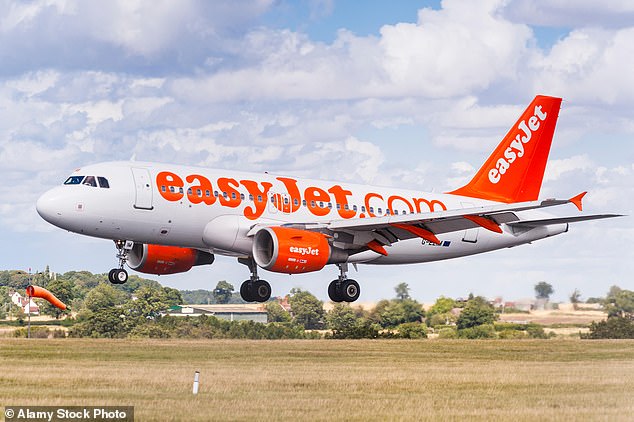
Claiming fourth place is UK-based easyJet, the UK’s largest airline by fleet size, daily flights, and passenger volume – carrying nearly 89.7million travellers in 2024, according to Statista. The airline maintains a perfect seven-star safety score and a very low serious incident rate.
5. Frontier Airlines
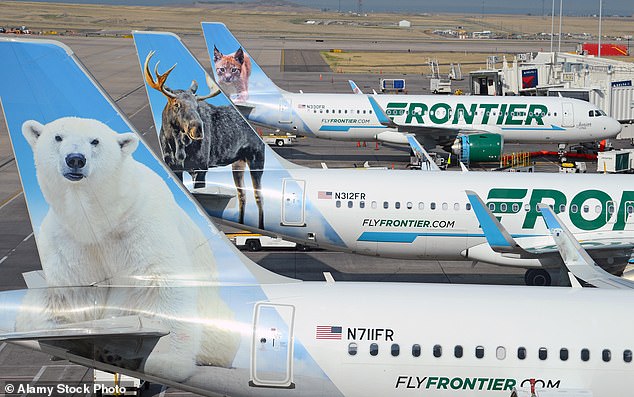
Fifth is America’s ultra-low-cost Frontier Airlines, with its fleet of modern, fuel-efficient planes. As well as a seven-star safety rating from Airlineratings.com, the carrier has been commended by the Federal Aviation Administration (FAA) for its commitment to maintaining, training and safety. The recognition came because 100 per cent of its eligible maintenance technicians have completed the FAA’s safety training courses.
6. AirAsia
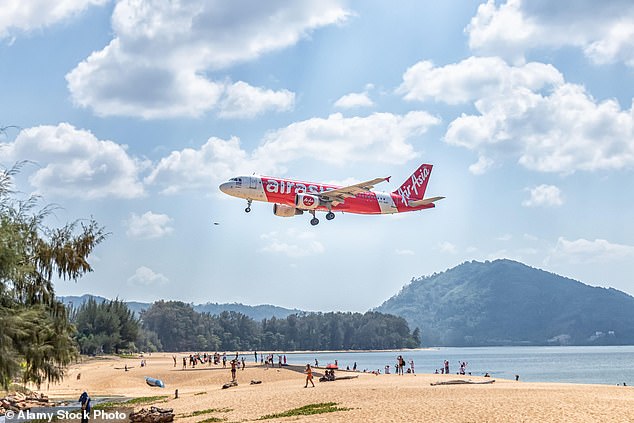
AirAsia upheld its seven-star safety rating from 2024. The AirAsia Group has a long history of safety issues including a 2014 high-altitude stall that led to a sea crash and a 2017 engine failure. But it has since earned an excellent safety record and passed all major safety audits.
7. Wizz Air
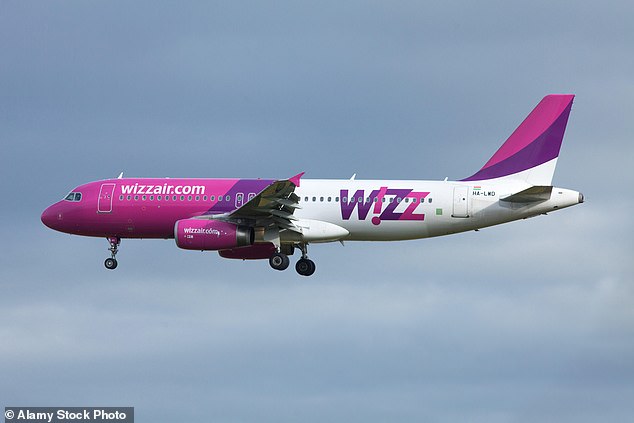
Despite dropping three places from 2024, seventh-place Wizz Air maintained its seven-star safety rating. This is partly thanks to its modern fleet of 207 Airbus A320s which has an average age of less than 4.2 years. The Hungarian carrier, which took to the skies in 2004, is centred around no-frills travel at the lowest possible prices, sustainability and safety.
8. VietJet Air
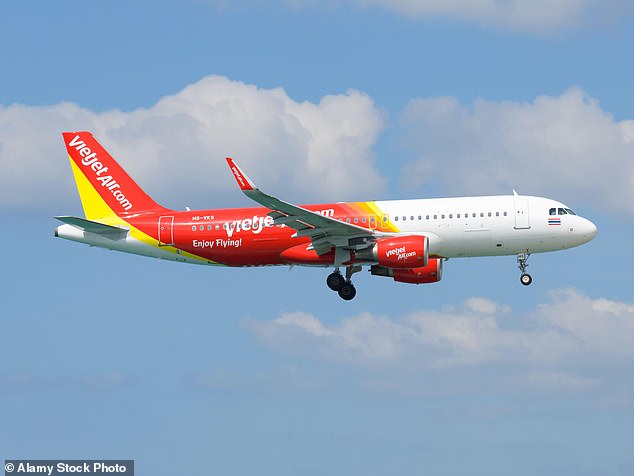
This Vietnamese international low-cost airline, with a seven-star safety score, primarily flies within Asia covering Vietnam, Japan, Singapore, South Korea and Thailand, with some direct routes to Australia and one to New Zealand launching in September.
In May, a VietJet Air flight from Hanoi to Ho Chi Minh City in Vietnam skidded off the runway during landing, damaging two rear tyres after striking a runway edge light. This could affect the airline’s safety performance in next year’s ranking.
9. Southwest Airlines
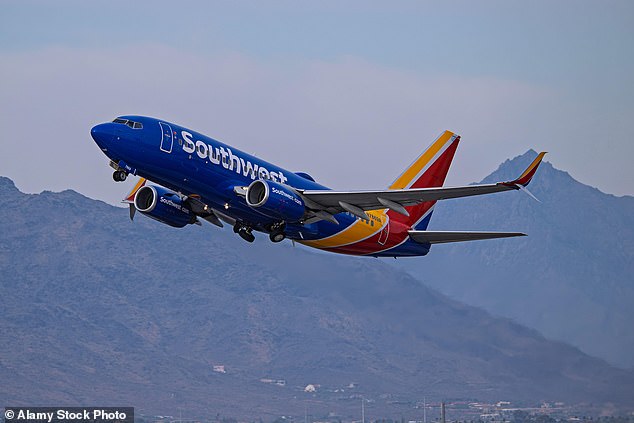
With a seven-star safety score, Southwest Airlines centres its operations in Texas, USA. It marks a positive turnaround following a series of incidents in 2024 including a flight that came within 400ft (122m) of the ocean off Hawaii in April and a plane flying at very low altitude over Florida’s Tampa Bay in July. These prompted a safety review by the US Federal Aviation Administration which ‘did not identify any significant safety issues’.
The airline has an all-Boeing 737 fleet of just over 800 jets with an average age of 11 years, flying within the US and to 10 other countries including Cuba, Jamaica, and Mexico.
10. Volaris
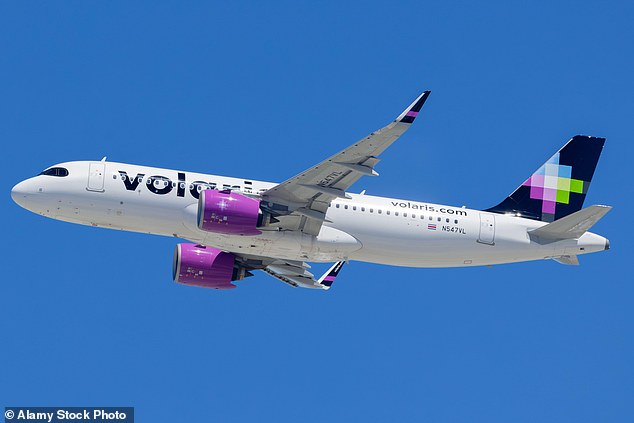
Mexico’s low-cost airline Volaris, also with a seven-star safety rating, offers flights throughout Mexico as well as routes to Costa Rica, El Salvador, Guatemala and Honduras.
In February, an Airbus A321neo faced a mid-air scare when crew heard an engine fire alarm moments after take-off from Hermosillo, Mexico. However, the aircraft swiftly executed a safe return, averting disaster with no casualties.
- Completing the top 25 ranking is Flydubai (11th), Norwegian (12th), Vueling (13th), Jet2 (14th), Sun Country Airlines (15th), WestJet (16th), JetBlue Airways (17th), Air Arabia (18th), IndiGo (19th), Eurowings (20th), Allegiant Air (21st), Cebu Pacific (22nd), Zipair (23rd), SKY Airline (24th) and Air Baltic (25th).