Brits have been warned of more tax pain to come as the Middle East crisis wreaks havoc with Rachel Reeves‘ plans.
Economists have estimated the ‘Trumpflation’ shock from the Iran war could leave the Chancellor scrambling to fill a £20billion shortfall in the public finances.
Higher inflation from soaring oil and gas prices will mean bigger public sector pay settlements, extra welfare spending and increased borrowing costs for the government.
With the crucial Strait of Hormuz still shut and the conflict showing no sign of easing, Ms Reeves is coming under pressure to put together an energy bills bailout for desperate households when the cap changes again in July.
But doubts have been raised over how she can find the money to help families with their soaring costs.
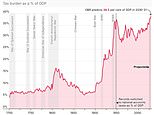
Despite Ms Reeves having pushed the tax burden towards a record high since entering No11, figures last week revealed the public sector racked up the highest February borrowing on record outside of Covid – far more than analysts had expected.
The IFS think-tank told the Sunday Telegraph that higher inflation would have a significant impact on public sector pay, potentially boosting outlay by £4billion.
Nick Ridpath said: ‘Public sector pay is a large and important part of government spend- ing.
‘Even relatively small differences in pay settlements would make large differences to the total cost of public sec tor employment.
‘Higher than expected pay settlements would put pressure on the government to top up departmental budgets, or mean other parts of departmental spending are squeezed.’
Mr Ridpath suggested a further top-up for Whitehall budgets worth around £3billion would be needed in 2026-27 to maintain previously-promised real-terms growth.
The IFS estimated that bigger benefits upratings would add £2.5billion to government costs, and the bill for servicing debt could be £10billion higher.
The total hit would only be partially offset by higher revenues from income tax and VAT.
The Tories have accused Ms Reeves of ‘maxing out the nation’s credit card’, pointing out the economy was already struggling before the Middle East crisis erupted.
Drivers are already feeling the pain at pumps, and projections suggest energy bills could rise more than a fifth when the cap changes in July.
Markets believe the Bank of England could now increase interest rates the coming months, rather than hoped-for cuts.
Experts have been raising concerns that Ms Reeves will have to resort to tax rises to keep the public finances on the road.
In the wake of the dire borrowing figures on Friday, Susannah Streeter of Wealth Club said: ‘Fresh tax rises do look possible given the Treasury is in an increasingly tight spot.’