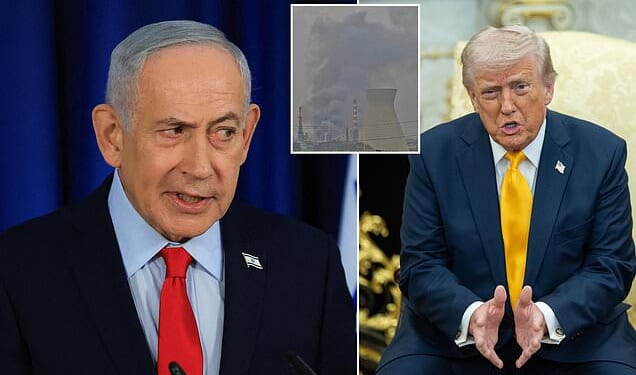
The Iran hawks got the war they’d been seeking for the past decade or more—and they managed to kill off not just nuclear nonproliferation, but the concept of nuclear negotiations altogether. Every regime around the world remotely hostile to superpower interests will have to consider investing in nuclear weapons, as those have proven to be the only way to ensure any given regime’s survival. Given what just happened in Iran, the concept of negotiating that away has been torched, not unlike Golestan Palace in Tehran.
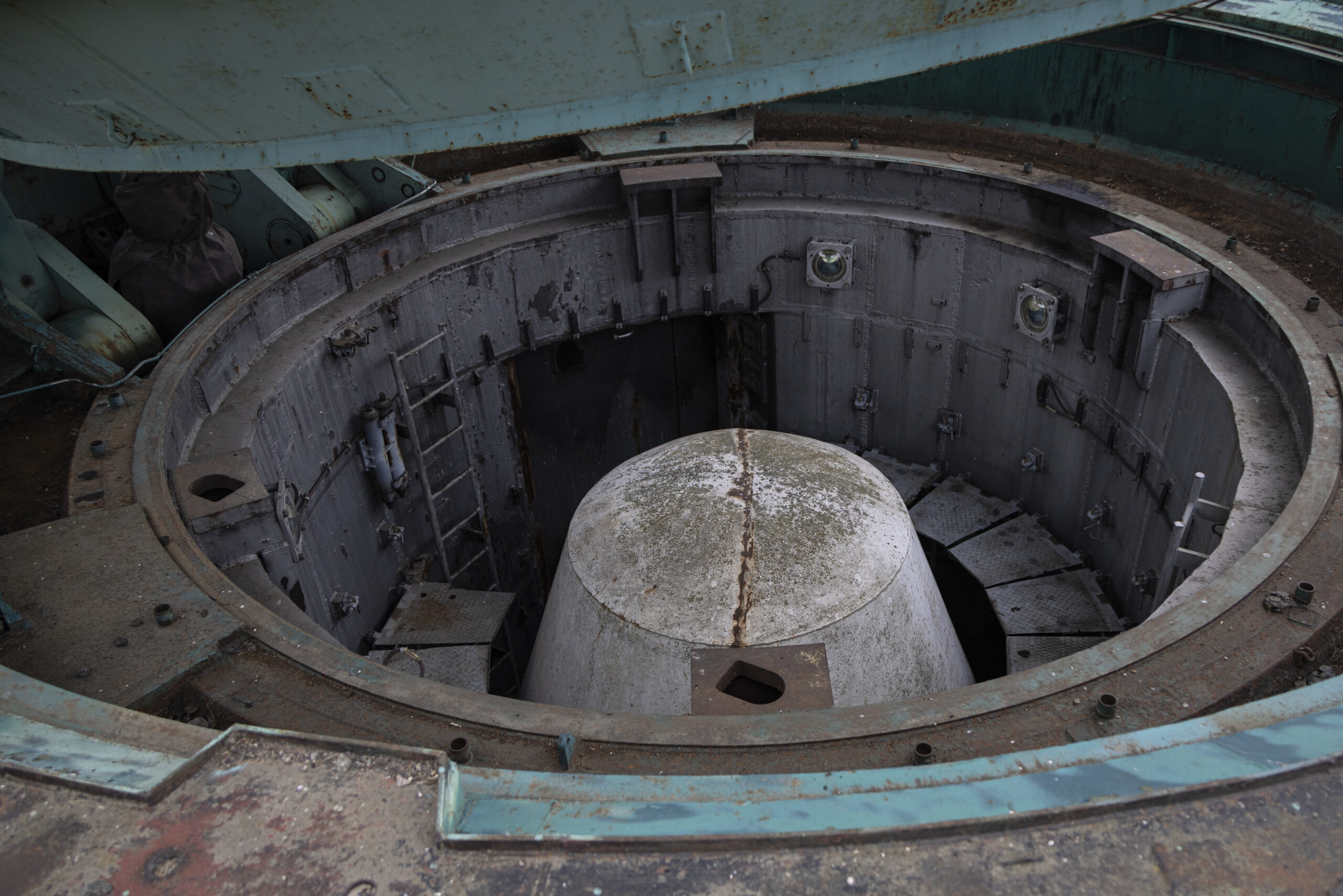
In the post–Cold War era significant steps were taken towards denuclearization. President Reagan had signed the 1987 Intermediate-Range Nuclear Forces (INF) Treaty with Gorbachev, which eliminated a number of nuclear missiles, and in the 1990s, following the dissolution of the USSR, Belarus, Ukraine, and Kazakhstan all opted to return their nuclear weapons to the newly founded Russian Federation. It’s not to say this era had no nuclear proliferation; India joined the nuclear club in 1974 and achieved weaponization in the late 1990s, followed shortly after by Pakistan, whose technology was later used by North Korea when they achieved the same milestone.
While their experience has varied, it has been across the board better than the experience of those who have opted against nuclear weapons or who have made the in retrospect foolish decision to negotiate the end or even negotiate at all. This is not unique to any superpower—Ukraine turned over its nuclear weapons with assurances from the Russian Federation and the United States, and got invaded for its trouble. The West and the United States have not been much better. Libya’s Muammar Gaddafi famously gave up his nuclear ambitions in part as a response to the 2003 invasion of Iraq, and his reward was to be sodomized with a bayonet not even a decade later after Western weapons helped carve up his country—a decision that Europeans are still dealing with.
Iran is an especially bleak case because it demonstrates not only the folly of ending a program but of negotiating one at all. The original sin of the Iran nuclear deal negotiated by the Obama administration was that it was solely about nuclear weapons. Criticism of it tended to elide this basic reality, and argument often centered on other Iranian actions such as proxies in the region. These, while certainly problems, were not a nuclear problem. This fault was readily apparent during the first Trump administration when General James Mattis, then secretary of defense, repeatedly testified that Iran was in compliance up until the U.S. decided to pull out of the deal and slap sanctions back onto the Iranian state.
Subscribe Today
Get daily emails in your inbox
President Joe Biden didn’t prioritize a deal in the same way his Democratic predecessor did. Even if he had, it’s unclear he’d have been able to get the Iranians to agree, as the U.S. government had previously demonstrated that their word was not reliable. Trump was then reelected in part promising to not fight more wars in the Middle East, which gave some hope that he might look to continue negotiations. This was not to be, and in February the bombing began again after the overture of the June 2025 strikes.
Countries like Pakistan or North Korea that are far closer to falling apart have seen what happens when you engage at all with the West on nuclear weapons and are unlikely to forget this lesson. This is not necessarily a new lesson—Pakistan’s Prime Minister Zulfikar Bhutto famously said in the 1960s that his countrymen would eat grass if that was the cost of a nuclear weapon. The intervening years and the fact that his country has survived while Tehran lies in rubble is in some sense vindication of the chlorophyll-based diet.
It is worth reflecting on what the quest for regime change in Iran is worth. Is it worth a world with warped incentives towards less nuclear negotiations and more nuclear weapons? Is it worth the deaths of so many? Iranian and American casualties are mounting. There are likely to be many more: Iran is a country of 90 million and American officials are talking seriously about the potential for boots on the ground. Hawks argued that the negotiations were just forestalling war; they have succeeded in making the prophecy come true.