The lifetime cost of having periods tops £20,000 for the average British woman – forcing some to cut back on food just to afford pads and pain relief.
New data from period tracking app Clue suggests women spend an average of £41 a month managing their periods – adding up to £20,359 over a lifetime.
While around £18 of that monthly total goes on products such as pads and tampons, the true cost is far higher once painkillers, hot water bottles, supplements and the replacement of stained clothing and bedding are taken into account.
The findings also expose the scale of ‘period poverty’ in the UK.
More than a third of women surveyed said they sometimes struggle to afford basic products, while almost 40 per cent admitted cutting back on essentials such as food, bills or transport to cope.
Some said they had resorted to makeshift alternatives such as tissues or wipes when they could not afford proper protection.
The financial strain is also affecting women’s working lives.
Nearly half of employed respondents said their periods interfered with their ability to work, while 41 per cent reported missing part or all of a workday in the past year due to symptoms.
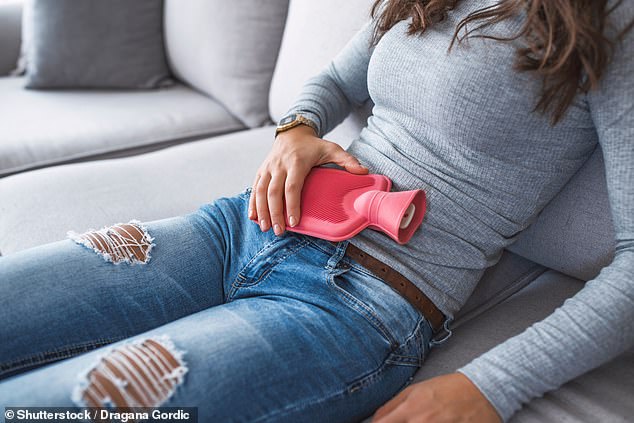
Periods are costing women in the UK more than £20,000 in a lifetime, with some skipping meals just to afford pads and pain relief
More than a third said the cost of managing their periods caused stress and anxiety.
Three-quarters of those surveyed believe the financial burden of women’s health needs has increased significantly over the past five years, with 82 per cent calling for period products to be made free and more widely available in schools, universities and workplaces.
Scotland became the first country in the world to make period products free in November 2020, placing a legal duty on local authorities to ensure access for anyone who needs them.
In England, all state-maintained schools and colleges can access free products for students through a Department for Education scheme.
However, gaps remain. Separate research commissioned by phs found more than a third of teenage girls have missed school because of their period, losing an average of more than three days per term.
Of these, 14 per cent said they stayed home because they did not have access to products, while 11 per cent said they could not afford them.
Clue has now teamed up with broadcaster and activist Ashley James to launch a petition calling on the UK Government to make period products free in England.
As well as campaigning for long-term action, Clue is offering free Clue Plus subscriptions to all petition signatories.
Rhiannon White, chief executive of Clue, said: ‘Clue exists to help people understand and advocate for their bodies. Addressing the cost of bleeding is a critical step in closing the women’s health gap. We encourage everyone to sign the petition and help make menstrual products accessible for all.’
The findings come as MPs warn that women and girls are being failed ‘at every stage’ by the NHS and Government.
A report by the Women and Equalities Committee described it as a ‘national scandal’ that nearly half a million women are on gynaecology waiting lists despite effective treatments being available in primary and community care.
The inquiry found women’s concerns are often dismissed, painful procedures are carried out without adequate pain relief, and schools are increasingly under-resourced to support menstrual health.
Girls are sometimes wrongly told they are too young to have conditions such as endometriosis, while many turn to social media for advice – where information can be inaccurate or unsafe.
MPs said ministers must do more to improve education around menstrual and gynaecological health, ensure better pain management and speed up diagnosis.
Until women’s health is treated as a priority in both the NHS and education system, they warned, meaningful improvements will remain out of reach.