A meningitis outbreak believed to be linked to a ‘social event’ has left two young people dead and more than a dozen others seriously ill – prompting urgent warnings from doctors about the symptoms that should never be ignored.
The victims, thought to be aged between 17 and 21, are understood to include a University of Kent student and a sixth-form pupil at Queen Elizabeth’s Grammar School in nearby Faversham.
Several others were hospitalised after reportedly developing symptoms days after attending Club Chemistry in Canterbury – a large student nightclub where the group had gathered to celebrate a birthday.
The number and severity of cases has been described as ‘very rare’ and ‘extremely concerning’.
The UK Health Security Agency (UKHSA) has now alerted more than 30,000 students and staff in the area, and is offering precautionary antibiotics to some who may have been exposed.
Meningitis – a condition that causes swelling of the brain and spinal cord – is most often triggered by viral or bacterial infections, although has not been confirmed which kind has caused the current outbreak.
Experts say the tragedy highlights how quickly meningitis can strike – and how easily its early symptoms can be mistaken for a bad cold, flu or even a hangover.
Here, the Daily Mail outlines the warning signs everyone should know.

Several victims developed symptoms days after attending Club Chemistry in Canterbury – a large student nightclub where the group had gathered to celebrate a birthday
Early meningitis symptoms that can look like flu
Early meningitis symptoms can be frustratingly vague – which is why doctors warn families not to wait for the ‘textbook’ signs before seeking help.
Like flu, the illness often begins with a sudden fever, shivering, exhaustion, muscle aches and a general sense of feeling very unwell.
Children and teenagers may complain of severe headaches, nausea, vomiting or sensitivity to light.
In babies, the signs can be even harder to spot. They may refuse feeds, become unusually irritable or lethargic, have a weak high-pitched cry or be difficult to wake.
Because these symptoms overlap with common viral infections, cases are sometimes dismissed in the first crucial hours. But with meningitis and meningococcal sepsis, timing can be everything.
Classic meningitis symptoms: headache, stiff neck and light sensitivity
As the infection worsens, the more recognisable symptoms may appear.
These include an intense headache, vomiting, a stiff neck and sensitivity to bright light.
People may also become drowsy or confused, struggle to concentrate or develop seizures.
In babies, the soft spot on the head – known as the fontanelle – may bulge, and they may seem unusually floppy or stiff.
Doctors stress that symptoms do not always appear in the same order – and not everyone develops all of them.
Can meningitis cause vomiting and stomach pain? Symptoms often mistaken for a bug
Nausea, vomiting and abdominal pain can also occur in meningitis – which is why the illness is sometimes mistaken for a stomach bug.
In younger children, diarrhoea may also be present, further muddying the picture.
But when gut symptoms occur alongside fever, severe headache, abnormal behaviour or signs of poor circulation, experts say alarm bells should ring.
Behaviour changes and confusion: warning signs meningitis is affecting the brain
One of the most frightening aspects of meningitis is how quickly someone can seem unlike themselves.
Young children may become clingy, unusually sleepy or difficult to rouse. Older children and teenagers may appear withdrawn, confused or behave oddly.
Adults may struggle to follow conversations, become disorientated or act irrationally. In severe cases, patients can lapse into delirium or unconsciousness.
Doctors urge families to trust their instincts. If someone seems ‘not quite right’ – particularly alongside other symptoms – urgent medical help should be sought.
The meningitis rash: how to spot the rash that doesn’t fade under pressure
Meningococcal disease can also cause blood poisoning, known as meningococcal septicaemia.
One of its most well-known signs is a purplish rash that does not fade when pressed – often checked by rolling a glass over the skin.
At first the rash may appear as tiny pinpricks, typically on the torso, arms or legs, before spreading into larger bruise-like blotches.
Crucially, this rash is often a late sign – and some patients never develop it at all.
Meningococcal sepsis symptoms: limb pain, cold hands and pale skin
When the bacteria enter the bloodstream they can trigger a dangerous inflammatory response known as septic shock.
At this stage, the skin may appear pale, mottled or greyish. Hands and feet may turn cold despite a high fever.
Breathing can become rapid or shallow, the heart begins to race and the patient may collapse or become unresponsive.
Children may also complain of severe limb pain – another key warning sign doctors look for.
When to go to A&E for meningitis symptoms
Doctors say the key message is simple: if you suspect meningitis, do not wait.
Call 999 or go straight to A&E, even if the symptoms seem mild or do not perfectly match what you expect.
Diagnosis is usually confirmed with blood tests and sometimes a lumbar puncture, which checks the spinal fluid for infection.
Treatment involves urgent intravenous antibiotics and intensive supportive care – and the earlier it begins, the better the chances of survival.
Two tragedies that show how meningitis can strike without warning

William Hand from South Carolina died just days after falling ill with meningitis
Two recent tragedies highlight just how quickly meningitis can strike – even when the early symptoms appear mild or easily mistaken for something else.
In the United States, 14-year-old William Hand from South Carolina died just days after falling ill with meningococcal disease, a fast-moving bacterial infection that can cause meningitis and blood poisoning.
The sporty teenager had woken in the early hours feeling unwell, but within hours the bacteria had overwhelmed his immune system.
His father later shared a tribute alongside a photo of the teen in sports gear, writing: ‘This is how I will always choose to remember Will. Flowing hair, big smile and in sports attire.’
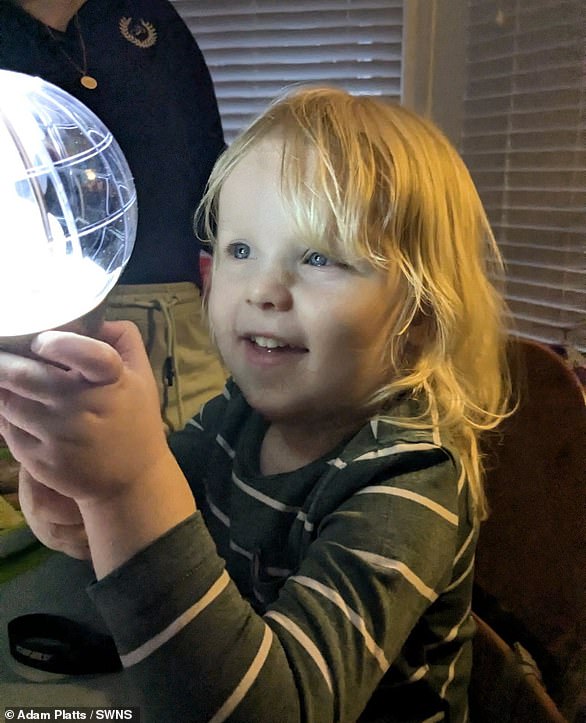
Five-year-old Jude Platts from Liverpool died 24 hours after being diagnosed with meningitis
In the UK, five-year-old Jude Platts from Liverpool died just 24 hours after being diagnosed with pneumococcal meningitis after his family initially believed he had a stomach bug.
The young boy began vomiting early one morning but had no fever or other obvious warning signs.
Later that evening he suffered a seizure and was rushed to hospital, where scans revealed a severe infection affecting his brain.
Doctors placed him in a medically induced coma, but the infection progressed so rapidly that he died surrounded by his family on New Year’s Eve.