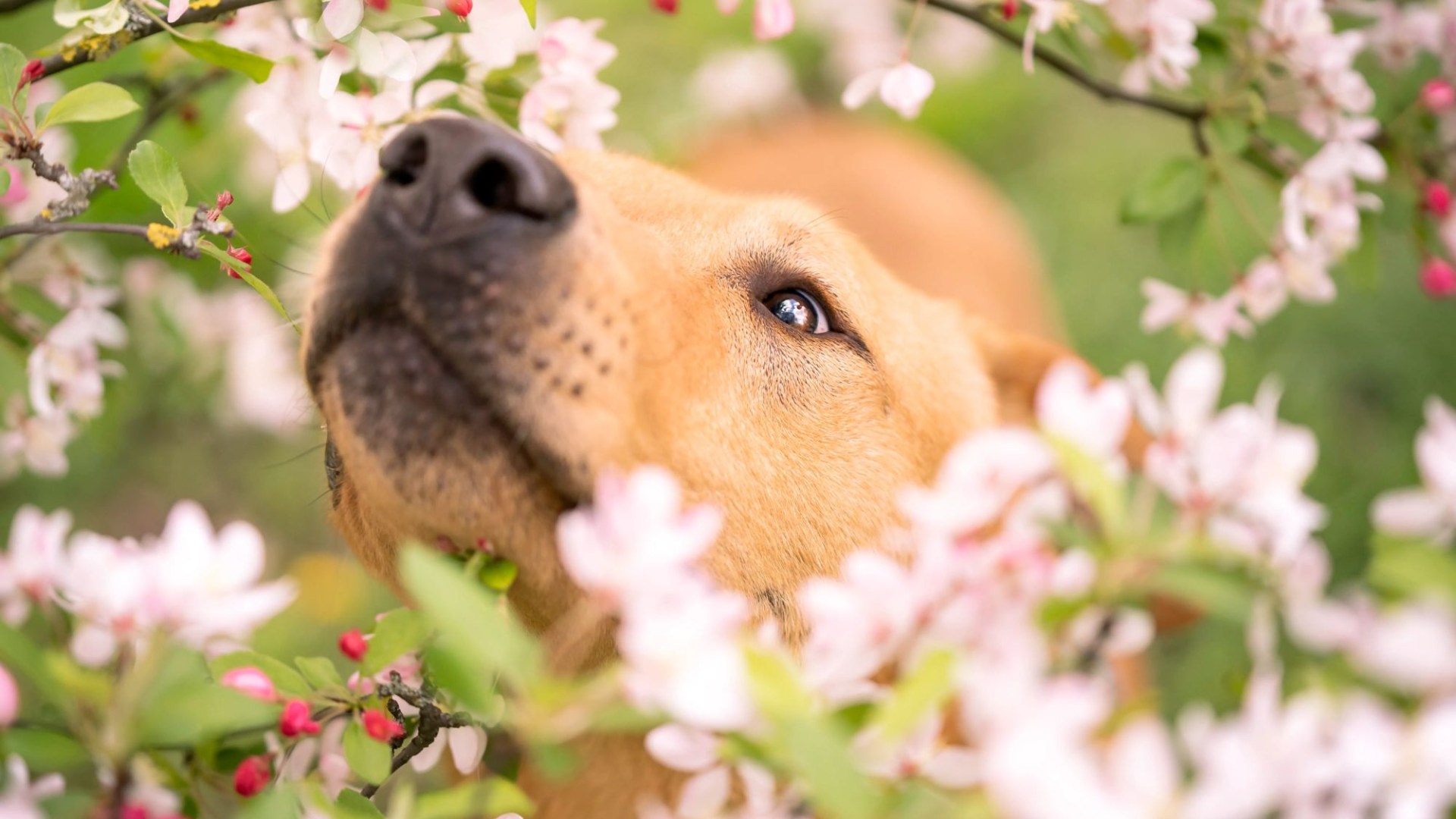
PET owners have been issued a dire warning about the dangers to our four-legged friends that will be lurking in the grass this spring.
While it may be the first thing you do after the sun comes out, a simple spring walk with your pooch or letting your cat outside to enjoy the yard could have horrifying consequences.

Dr Charlotte Inness, a senior veterinary surgeon and founder of VetMedi has urged pet owners and carers to be extra vigilant as the great outdoors come into bloom.
“Beyond the fresh blooms and rising temperatures lie significant threats, some of which can prove fatal,” she told The Mirror.
One hazard she warned of, is perhaps the most terrifying, as it can embed into the skin and even make its way to the internal organs.
Dried grass seeds are often found caught in the fur of animals, but their pointed shape means they can relatively easily get pushed inside the body and as re-wilding becomes more common, so do grass seeds.
“Once a seed embeds itself, it acts like a one-way drill, migrating deeper into the body,” Dr Inness said.
“This causes intense pain, swelling, and infection. Because grass seeds are organic matter, they are often invisible on standard X-rays, meaning we sometimes require advanced CT or MRI scans to locate them.
“If they enter the eye, they can cause blindness, and in severe cases, they have even been known to migrate into internal organs like the lungs.”
Most commonly, grass seeds will enter soft areas of the body like the groin, between toes, eyes, ears, and under the armpits.
Pet owners should regularly check these areas and the fur of their four-legged friends after being outside.
Meanwhile, as we excitedly watch flowers blossom in the spring sun, certain blooms are toxic to our pets, Dr Inness warns.
Certain bulbs like tulips and daffodils can release toxins into our pets bodies if they are ingested which can lead to vomiting, heart problems, tremors, and diarrhea.
“If you suspect your dog has eaten any part of a spring bulb, contact your vet immediately,” Dr Inness said.
Insect stings are another hazard that are more likely during the warmer months, with dogs particularly susceptible.
They can cause painful swelling and if on the mouth, tongue, or throat, this reaction could block the airway, Inness warned.
“On walks, avoid letting pets sniff deep into bushes or leaf piles where insects may nest. In the garden, removing sweet-smelling flowers can reduce traffic, and I recommend avoiding outdoor play during the midday heat when activity is highest,” she said.
Another danger is if you have recently carried out work in your yard and have used fertilisers and weedkillers.
These chemicals can attract your pet and “lead to ‘fertiliser toxicosis’ or even physical gastrointestinal obstructions,” the vet warned.
Lastly, spring brings with it an increase in ticks, fleas, and other parasites so owners should prepare and stay up to date with prevention treatments.
5 deadly dangers lurking in grass this spring that can harm your pet
- Grass seeds
- Parasites
- Insect stings
- Plant bulbs
- Gardening chemicals like fertilizer