
OUR resident specialist and NHS GP, Dr Zoe Williams, shares her expert advice.
Today, Dr Zoe helps a reader who is having problems with their penis for the first time.

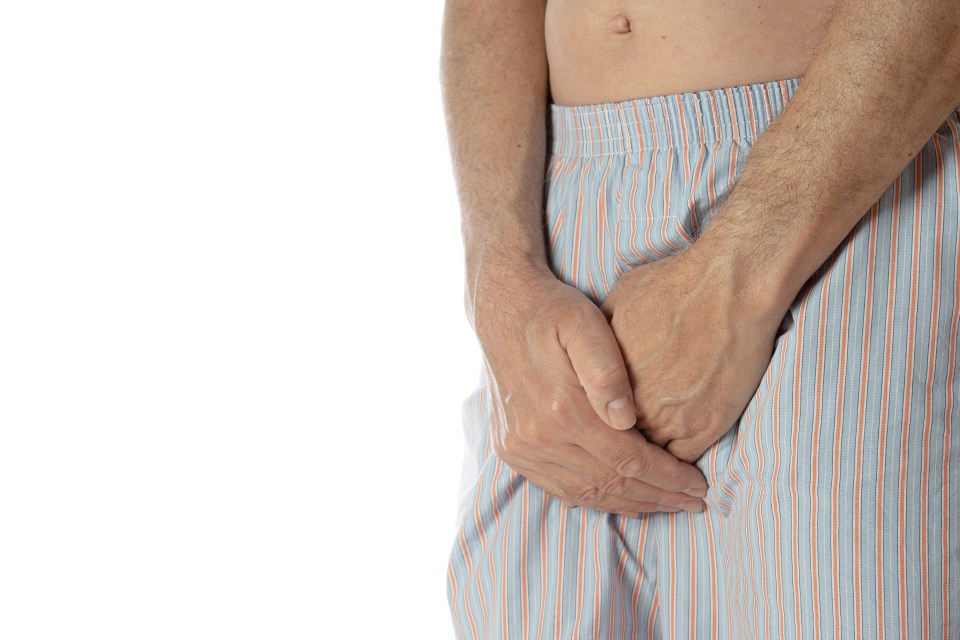
Q) I AM a man of 82, and it appears that I suffer from phimosis. I have had a very active and satisfying sex life, and no problems with my penis. But now I cannot pull my foreskin back.
I am sure I have been able to do this when, for example, I am having a shower and am cleaning.
Do I have to worry about this?
A) Phimosis simply means that the foreskin cannot be pulled back over the head of the penis. While common in young boys, it can also develop later in life, even in men who previously had no problem retracting the foreskin.


In older men, this is usually due to gradual tightening or scarring of the foreskin, maybe linked to chronic irritation, infections, skin conditions such as lichen sclerosus, or diabetes.
This doesn’t automatically mean anything serious, but it is worth getting checked, particularly if it’s new for you.
If the foreskin is tight but not painful, and you’re able to pass urine normally, it isn’t usually an emergency. But difficulty retracting it can make cleaning underneath more difficult, which may increase the risk of irritation or infection over time.
Circumcision is one treatment, but it’s not the only option.
In many cases, doctors start with a topical steroid cream, which can help to soften and stretch the foreskin over several weeks.
Gentle stretching exercises may also help. It would be sensible to mention this issue to your GP so they can examine the area and rule out underlying causes.
Most cases can be managed quite simply, and many men avoid surgery altogether.