Politicians are squeezing pubs out of existence without understanding why they matter
Labour Housing and Communities minister Steve Reed wants to save pubs. There’s a “war on fun,” he says. It’s nothing to do with his party, of course, and he’s doing something about it.
Man-about-town Steve has the answer. He knows what makes pubs tick. He’s going to tweak licensing laws so the lads at his local can have Traitors “viewing parties”.
Sorted, then.
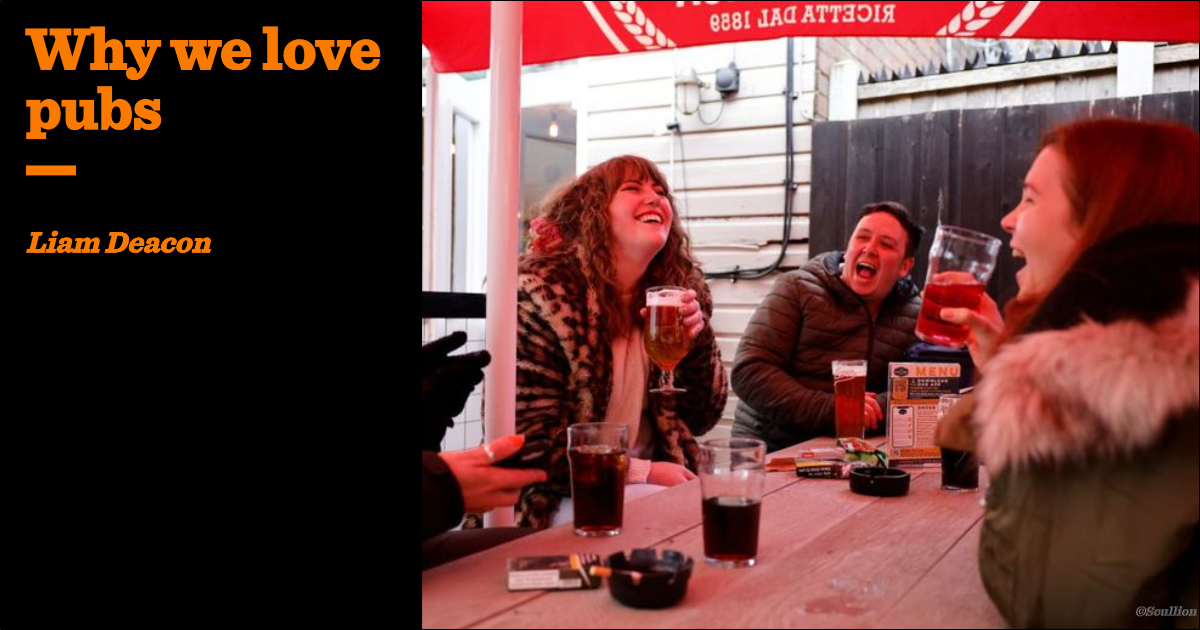
Everything that a pub once was has been squeezed, denigrated, and beaten down. I am almost old enough to remember when they were a cheap, easy-going place to talk rubbish, have a drink, eat crisps, and — brace yourselves — even enjoy a cigarette. Places of freedom, debate, warmth, community, kindness, and sin. Fruit machines, open fires, bad air quality, bad jokes, and, sometimes, bad choices.
Now many, most perhaps, are overpriced restaurants. Thanks to Labour, there are looming new speech controls so staff can’t take second-hand offence at jokes. Smoking outdoors at some could become trickier if they are near parks, thanks to amendments to the Tobacco and Vapes Bill going through Parliament last week. Drink-drive limits are being tightened as much as possible, making a single pint after work before the drive home impossible. New gambling taxes are set to hit fruit machines and pub revenues hard. And a pint costs five times what it does from a supermarket.
Nearly all of this regulatory squeeze has been introduced or proposed in just the past two years.
But it’s okay. Thanks to Steve, we will all soon be able to watch the latest BBC-approved, state-sanctioned reality TV programme together between courses of bruschetta and Eggs Benedict.
Redefining everything pubs are, and then claiming to save them, is strange to me. It’s like banning dog racing and then claiming to have saved it because the same tracks can be used to race unicycles. Or turning roads into cycle lanes and then claiming to have saved the roads because bikes are, in fact, cars.
After overseeing lockdown, the Conservative Party are also now claiming to be the saviours of the pub. They are standing up to Labour, they say. But they won’t reverse the draconian changes to drink-driving laws, despite the same changes making no improvement to safety in Scotland. And they didn’t whip their MPs to vote against Labour’s smoking ban, with their leader unfortunately finding herself on a train to Cornwall when the House of Commons vote happened.
The Tories’ solution is purely focused on business rates. Slashing this hated tax, which penalises pubs for just existing, before they sell a single pint, is very welcome. It will allow some to stay open for longer as restaurants and B&Bs, but it doesn’t mean the Tories have grasped the underlying issue. As will winding back crippling “green” regulations and levies, like Labour’s new Extended Producer Responsibility, which will up supplier costs, Minimum Energy Efficiency Standards which impact rents, and the Climate Change Levy on bills (which is not being eased for businesses as it is for households.)
But pubs are more than businesses. They are cultural institutions and a key part of a way of life that the Westminster ruling class either have no understanding of, or actively dislike. That tooth-grindingly awful image of Rishi Sunak awkwardly crouching in a pub with a giant tankard of tap water is the purest embodiment of this problem I have ever come across.
Not everyone has to like pubs. Cafes, tea rooms, and fancy cocktail bars exist. There is nothing wrong with sports bars, carveries with play areas for kids, or country restaurants serving burgers and good beer. These latter examples are variations of the pub, I guess, and welcome innovations like half-decent non-alcoholic beer should not be shunned.
But the traditional pub is something distinct. It is a place to drink beer and talk. It is a Public House, and the public must be able to afford to go there, drink if they want, say what they want, and feel at home there. It’s one of the only places where, according to British culture, it is socially acceptable to talk to strangers. As clichéd as it is to say, the pub is a unique creation of British and Irish cultural history, and it is critical for the social fabric of communities like my own.
Making them unviable is not just insane, it’s community vandalism
Imagine if the Spanish legislated la terraza, their outdoor community dining, out of existence. Or the French shut down pâtisseries. Or the Finns effectively banned steam rooms. In a crowded, grey, and cold nation like this, cosy rooms for beer and banter are our chosen third spaces. Making them unviable is not just insane, it’s community vandalism, and cultural suicide.
Most people know this. It’s why every party leader gets pictured in a pub, and every newspaper and politician worth his salt claims to love them, even as they continue to close at a frightening rate.
The law can and should have a role in changing public life. It can, and has, helped set societal norms and change things for the better. Polling will often show individual bans and taxes to be popular, when each policy is asked about in isolation. But the collective impact of such regulations — making pubs and other areas of life unaffordable, unviable and unhappy — is loathed.
Any centralised effort by the state to transform culture, and pubs are cultural assets first, almost always comes with unintended consequences which outweigh the positives.
We cannot save these places if we view them only as spreadsheets, with a balance sheet in need of adjustment, regardless of what happens inside their walls. We cannot save them if we allow the public health lobby to have the final say on every product they sell.
Until then, we will remain stuck with the bizarre and tragic phenomenon of a state that keeps undermining one of the few social assets we all love.