DEBT-trap student loans will be investigated by an influential committee of MPs in a fresh headache for Sir Keir Starmer.
Striking figures show 5.4million graduates on Plan 2 loans currently owe £43,645 on average.
There has been widespread criticism of the rip-off student loan in recent months.
Financial experts suggest there could be another humiliating government U-turn on the horizon as public fury grows about “retroactive changes” to the system.
The Commons Treasury Committee today announced the inquiry into student loans and the broader taxation of graduates.
Chair Dame Meg Hillier said: “This inquiry is about fairness.

“Many people have benefited from widened access to higher education, but upward interest rates and sometimes particularly high marginal tax rates have clearly led to widespread dissatisfaction among graduates who may not have fully understood their repayment terms and the possibility they could change.”
This widespread dissatisfaction is a response to plans in the Autumn Budget last year.
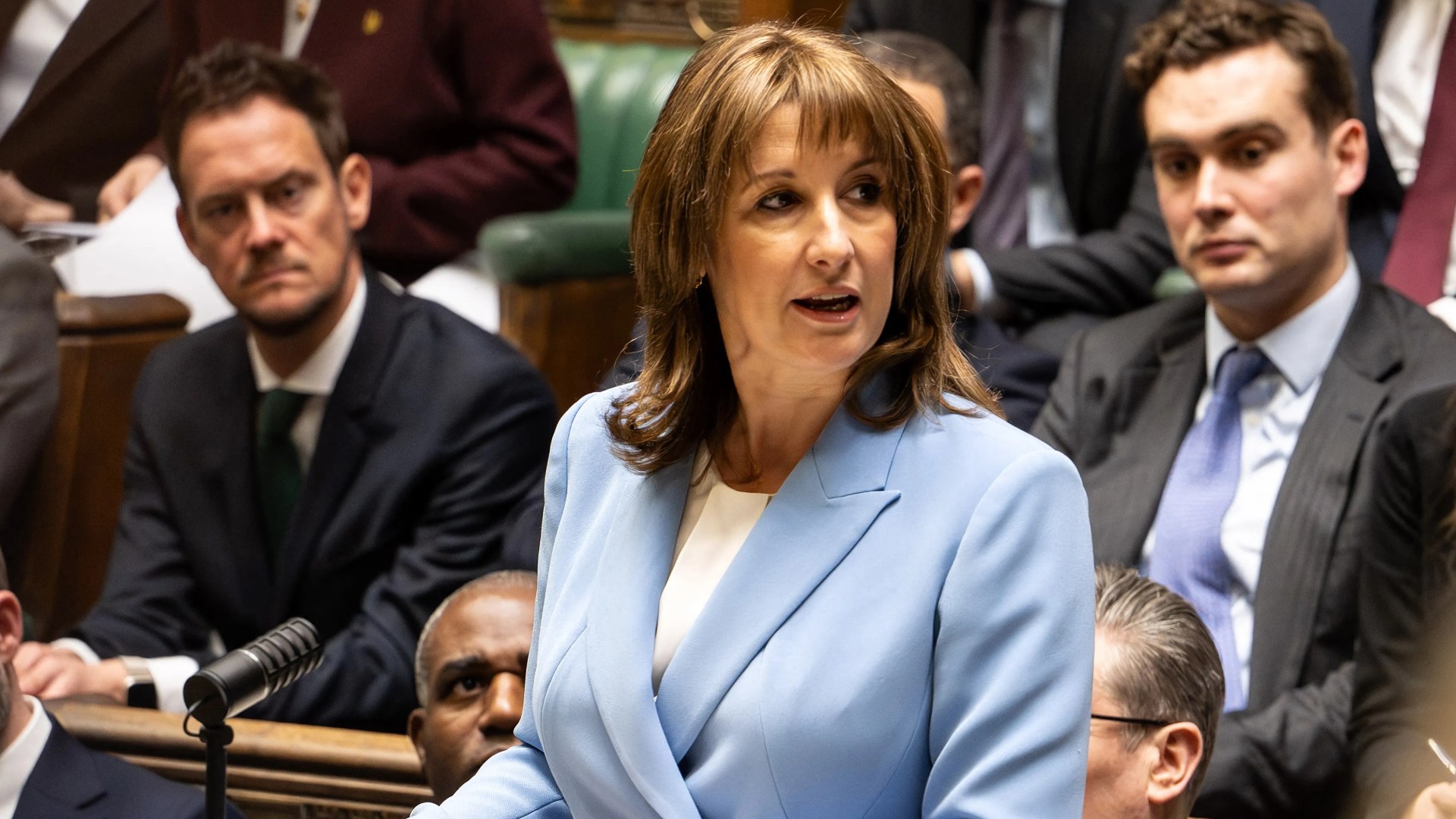
Chancellor Rachel Reeves outlined the Plan 2 loan repayment threshold will be frozen at £29,385 for three years, leading some to brand her a “loan shark”.
Plan 2 loans were issued to English students who started their undergraduate courses between 2012 and 2022.
As salaries rise with inflation, the frozen threshold means more loan holders will be dragged into the repayment net.
Ultimately, this means many graduates already struggling with the cost of living crisis will end up paying more.
How the different student loan plans work
HERE’S the rules and repayment thresholds for all the different student loan plans:
Plan one
You’re on Plan 1 if you’re:
- an English or Welsh student who started an undergraduate course anywhere in the UK before 1 September 2012
- a Northern Irish student who started an undergraduate or postgraduate course anywhere in the UK on or after 1 September 1998
- an EU student who started an undergraduate course in England or Wales on or after 1 September 1998, but before 1 September 2012
- an EU student who started an undergraduate or postgraduate course in Northern Ireland on or after 1 September 1998
You’ll only repay when your income is over £382 a week, £1,657 a month or £19,895 a year (before tax and other deductions).
Plan two
You’re on Plan 2 if you’re:
- an English or Welsh student who started an undergraduate course anywhere in the UK on or after 1 September 2012
- an EU student who started an undergraduate course in England or Wales on or after 1 September 2012
- someone who took out an Advanced Learner Loan on or after 1 August 2013
You’ll only repay when your income is over £524 a week, £2,274 a month or £27,295 a year (before tax and other deductions).
Plan four
- a Scottish student who started an undergraduate or postgraduate course anywhere in the UK on or after 1 September 1998
- an EU student who started an undergraduate or postgraduate course in Scotland on or after 1 September 1998
You’ll only repay when your income is over £480 a week, £2,083 a month or £25,000 a year (before tax and other deductions).
Postgraduate loan
- an English or Welsh student who took out a Postgraduate Master’s Loan on or after 1 August 2016
- an English or Welsh student who took out a Postgraduate Doctoral Loan on or after 1 August 2018
- an EU student who started a postgraduate course on or after 1 August 2016
If you took out a Master’s Loan or a Doctoral Loan, you’ll only repay when your income is over £403 a week, £1,750 a month or £21,000 a year (before tax and other deductions).
Now, the committee will examine evidence and ask young people to contribute their own experiences through a survey.
Charlene Young, senior pensions and savings expert at investment platform AJ Bell, explained: “Chancellor Rachel Reeves at last year’s Budget announced a controversial plan to freeze the threshold at which around 4 million graduates start paying off their student loan.
“It has led to accusations the government has unfairly reneged on the terms school-leavers signed up to.”
The firm’s estimates show graduates could face a looming £250 a year of extra deductions from their payslip.
Rough calculations suggest that at worst, over the full repayment term of 30 years this could amount to a whopping £10,000 of additional payments.
She said if the threshold does get frozen for three years, as under current plans, “the vast majority” will have to accept they will simply never repay the loan.
Young added: “Considering the sizeable additional cost, it is no surprise some frustrated graduates feel the government has moved the goalposts unfairly by altering the terms of the deal they signed up to, with some accusing the chancellor of acting like a loan shark.”
More than 20 Labour MPs have demanded action to tackle “rip-off” interest rates and the repayment term alterations laid out in the budget.
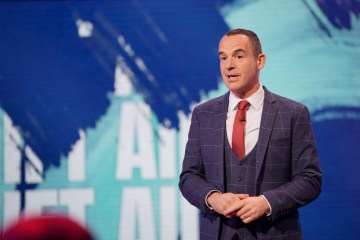
Money saving expert Martin Lewis was one of the first key figures to draw attention to the budget provisions for Plan 2 loans.
The consumer rights champion has said the repayment threshold needs to be increased to help lower and middle earning graduates.
It has come in for criticism across the political spectrum, as Conservative leader Kemi Badenoch has also criticised the planned changes.
National Union of Students (NUS) president Amira Campbell said: “This parliamentary inquiry is the clear result of sustained pressure from students and graduates.
“The Treasury Select Committee is showing the leadership that students, graduates and young people need from the Chancellor, and at NUS we are ready to take this opportunity to work together to fix student loans now.”
The NUS will advocate for a student loan model that does not financially penalise graduates with “retroactive changes to contracts that they signed when they were 17”, Campbell added.
Reeves yesterday reiterated her initial stance backing the Budget decision and downplaying the chance of a change.
She said any change to the student loan system would have to be “fully costed and fully funded”.
The Chancellor told MPs on the Treasury select committee that controlling inflation would help reduce payments for graduates.
But Young offered some hope to graduates in crippling debt that “the prospect of additional pressure from an influential group of MPs… could well be enough for the government to announce yet another policy U-turn”.