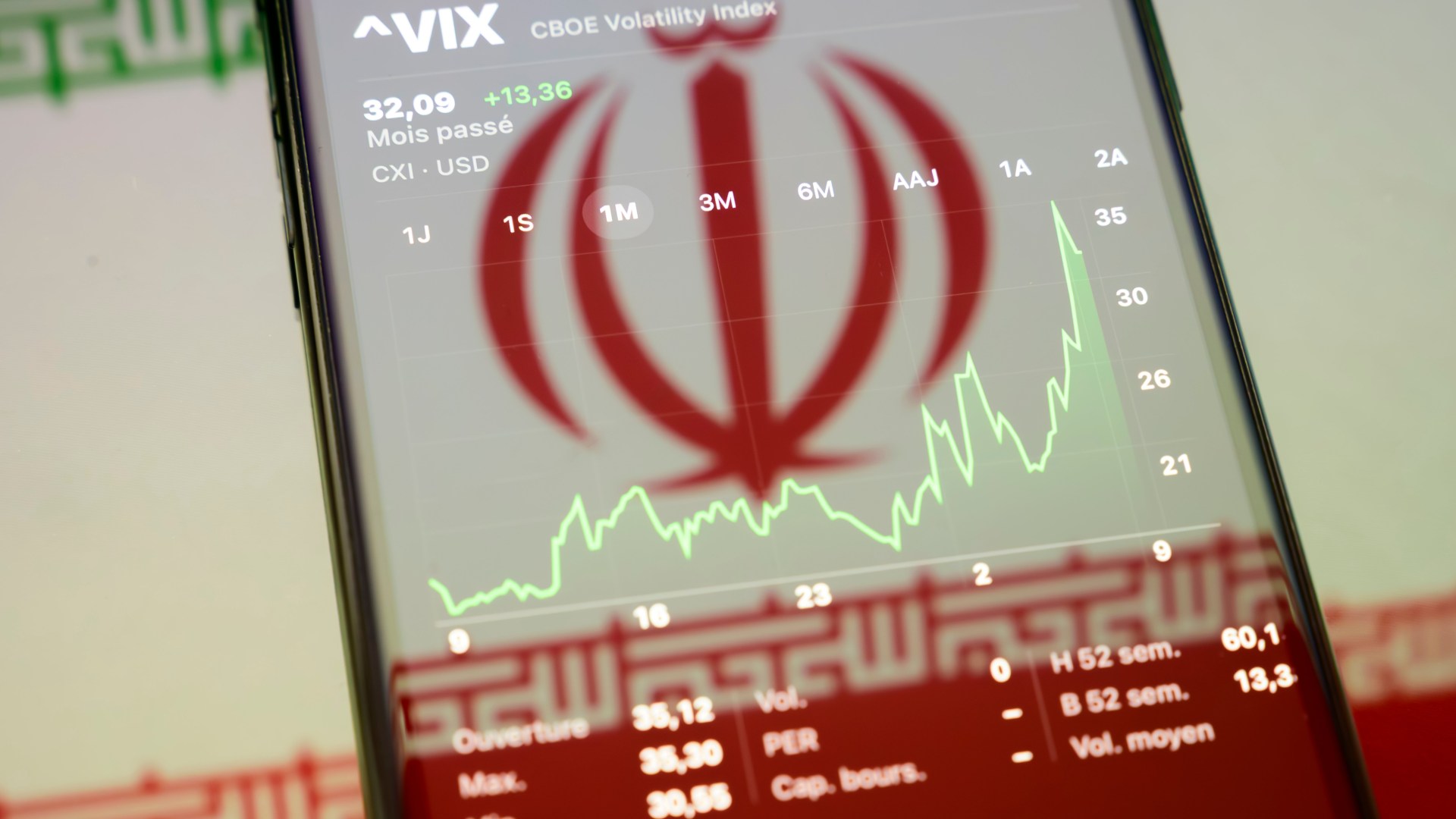
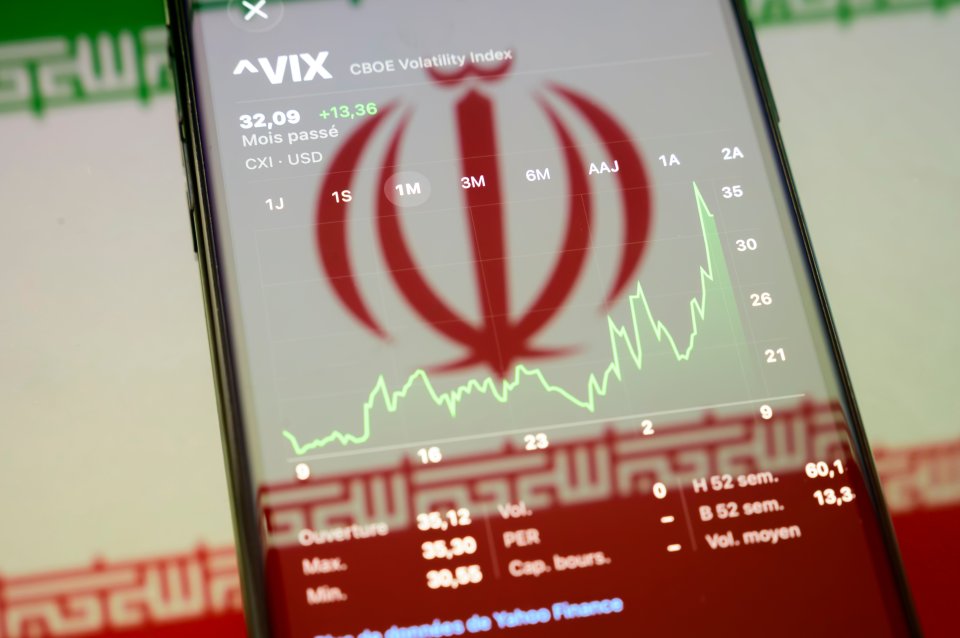
SAVVY investors are pouncing on a massive stock market sell-off to grab “defensive” bargains as conflict in the Middle East sends share prices tumbling.
Defensive stocks are one of the closest things you can get to an investment safety net because they belong to companies that provide essential services, such as supermarkets, electricity, and healthcare.
These are the things people need regardless of how the economy is performing, so these reliable firms tend to hold their value better when the wider market is in chaos.
Think of it as investing in the bread and butter businesses, rather than the bells and whistles.
While trendy tech firms or luxury brands might see their profits vanish in a crisis, the businesses that keep the lights on and the cupboards stocked remain stable.
Why is now a good time to buy?
Data from the first week of March 2026 shows that brave Brits are already “buying the dip” – a strategy where you buy shares after a price drop to get more for your money.

There were twice as many buy orders as sells on major platforms like AJ Bell and it’s low-cost investment app Dodl last week.
Dan Coatsworth, head of markets at AJ Bell, said the conflict in the Middle East presented investors with a golden opportunity to snap up top-tier companies at “depressed prices”.
He said: “Dips and dividends were the key trends for AJ Bell DIY investors responding to Middle East conflict-driven market volatility last week.
“There were twice as many buy trades than sells between and March 2 and 6, implying that investors saw an opportunity to buy companies or funds at depressed prices.”
While the FTSE 100 has dropped around 5% since its peak in February, experts believe this represents a “relatively cheap” entry point for those with a long-term view.
Richard Hunter, head of markets at interactive investor, said that many quality companies have fallen foul of the wider market drop without their underlying goals changing.
He said: “A full recovery may not come into play until the hostilities end, the oil price stabilises and investor sentiment improves, but this lower level could represent an attractive entry point.”
Is investing right for you?
INVESTING can be a great way to grow your money – but you should be aware of the risks.
The stock market can be unpredictable and therefore your investments can go down as well as up.
To have the best chance of protecting your money, you should aim to keep it invested for at least five to 10 years.
This will help you ride out any potential bumps in the market.
You should also only invest money you can afford to lose, and have paid off any debts before you start investing.
Picking individual stocks is generally riskier than choosing an investment fund.
That’s because investment funds include small shares in lots of different companies, so if one business isn’t doing well then the impact on your money is minimised if others are doing better.
However, individual stocks can help you ‘beat’ the rest of the market if they’re doing well.
If you do choose to buy an individual stock, you should make sure you don’t put too much of your money into it and have a diversified portfolio.
This essentially means not putting all your eggs in one basket and choosing investments across different types of companies and geographical areas.
If you’re unsure of how to do this, you could speak to a financial adviser (who will charge you a fee), get a free financial coaching session from Bestinvest, or read Moneyhelper’s guide to investing as a beginner.
What should I buy?
British Airways owner IAG and EasyJet have been among the most-bought stocks on the AJ Bell platform despite a massive share price slump.
IAG is down 15% over the past month amid disruption from flight cancellations and higher fuel costs.
The stock opened today at 374.90p, versus 457.30p the week before the strikes.
Richard Hunter at Interactive Investor also pointed out that cruise operator Carnival had seen a 21% slump over the preceding month.
Carnival’s price today is 1,953p, compared to 2,138p last week
Investors are betting these travel giants will bounce back, especially since IAG recorded record profits just weeks ago.
Similarly, housebuilders like Vistry and Taylor Wimpey have seen heavy buying after their share prices weakened on fears that interest rates might stay higher for longer.
Vistry opened today at 410p (vs 468.20p a week ago), and Taylor Wimpey opened at 97.30p (vs 104.70p a week ago).
For those looking for “safe bets” that pay out regularly via dividends – which are essentially a share of the company’s profits paid to you in cash – AJ Bell flagged Supermarket Income REIT as a popular pick.
This firm collects rent from giants like Tesco and Aldi.
Because everyone must buy food regardless of global events, it offers a reliable 7.3% dividend yield.
Greencoat UK Wind is another defensive favourite identified by AJ Bell, offering an 11% dividend yield as businesses look to renewable energy to escape high oil and gas costs.
Expert stock pickers at Artemis suggest looking at the Artemis UK Select fund – a ready-made basket of shares – which holds sturdy names that have seen recent dips like Barclays (down 13% over the last month) alongside NatWest and M&S.
Barclays opened today at 411.95p (vs 423.30p last week), NatWest at 586.80p (vs 587.40p last week), and M&S opened at 358.10p (vs 396.50p last week).
Artemis also highlights Bloomsbury Publishing as a smart choice, as it profits from licensing data to AI companies.
For those with a higher appetite for risk, Stephen Yiu, Chief Investment Officer of the Blue Whale Growth Fund, points to Nvidia as good value after the market sell-off.
He said: “After the market sell-off, Nvidia’s valuation is currently as attractive as it’s ever been.
We continue to see upside potential for its share price to surpass $200 (£149) and become a $5trillion (£3.73trillion) company.”
Ultimately, the best strategy is to stay calm and think long-term.
James Norton, head of retirement at Vanguard, said: “It’s best to base your decisions on your investment goals rather than where the market is.
“Most people are better served by holding a broadly diversified portfolio for the long-term and riding out any volatility.”