Last Thursday, Nigel Farage and the Leader of Reform UK Wales, Dan Thomas, took to the stage in Newport to launch the party’s Welsh manifesto ahead of the Senedd elections on 7 May.
The manifesto outlines policies tailored specifically to Welsh people, from a commitment to building specific motorway relief roads and fixing crumbling expressways, to ensuring that Welsh men and women are prioritised for social housing.
While Reform UK are campaigning in the hope to win the Senedd, Farage has been open about the fact that the Welsh campaign is about more than that. Speaking at the manifesto launch, he said the Senedd election “doubles up as a referendum on Keir Starmer’s premiership”, who has been “the worst Prime Minister any of us have seen in our lifetimes.”
It is difficult to argue with Farage’s assessment of sentiment here, or with the Welsh election acting as a proxy confidence vote in the Prime Minister, as will the other votes happening on the same day for local government elections, Scottish Parliament elections, and English mayoral elections.
One can argue, however, about the extent to which Reform’s Welsh policies may make a difference in convincing the Welsh people to vote for the party at this stage. Plaid Cymru still maintain a decisive lead over Reform in the voter intention polls, and the new closed proportional list system of voting that has been introduced for the Senedd election will aim to ensure that the number of seats a party wins more accurately reflects their vote share, perhaps aiding them in what might be a close race.
While I would not wish to encourage complacency, most of what Reform needs to do for the next two months to contribute to kicking Labour decisively out of Wales is refrain from controversy.
The destruction of Welsh Labour at the May elections will come not as a result of Plaid Cymru or Reform delivering particularly groundbreaking electoral campaigns in the nation, but rather through Labour’s own apparent self-destruction.
Events last week shone a light on just how fractured and unstable Welsh Labour has become. Three men were arrested on Wednesday on suspicion of spying for China and, while they are currently only under investigation, having not been charged, the allegations have sent shockwaves through Wales.
This is because all three of the men have been deeply embedded within Welsh Labour for many years. One of the men, David Taylor, is a former special adviser in the Wales Office and is married to Scottish Labour MP Joani Reid. Scottish Labour are now investigating Reid over her husband’s links, with Reid voluntarily suspending herself.
Another man, Steve Jones, is a former special adviser to the Welsh Government, while the third, Matthew Aplin, is a former Labour press officer.
Reform recently faced down their own foreign interference scandal in Wales, with the party’s former Welsh Leader Nathan Gill being jailed for ten-and-a-half years for accepting money to help pro-Russian politicians in Ukraine.
The Government subsequently launched an inquiry investigating foreign interference in British politics, with the findings intended to be published during this session of Parliament, that is, before the King’s Speech in May, no doubt to keep the spotlight on Reform’s wrongdoing. However, the timing of this inquiry couldn’t be worse for Welsh Labour, as Nigel Farage reminded them during his manifesto launch, as they will no doubt be subjecting themselves to the forefront of scrutiny due to the recency of their own issues.
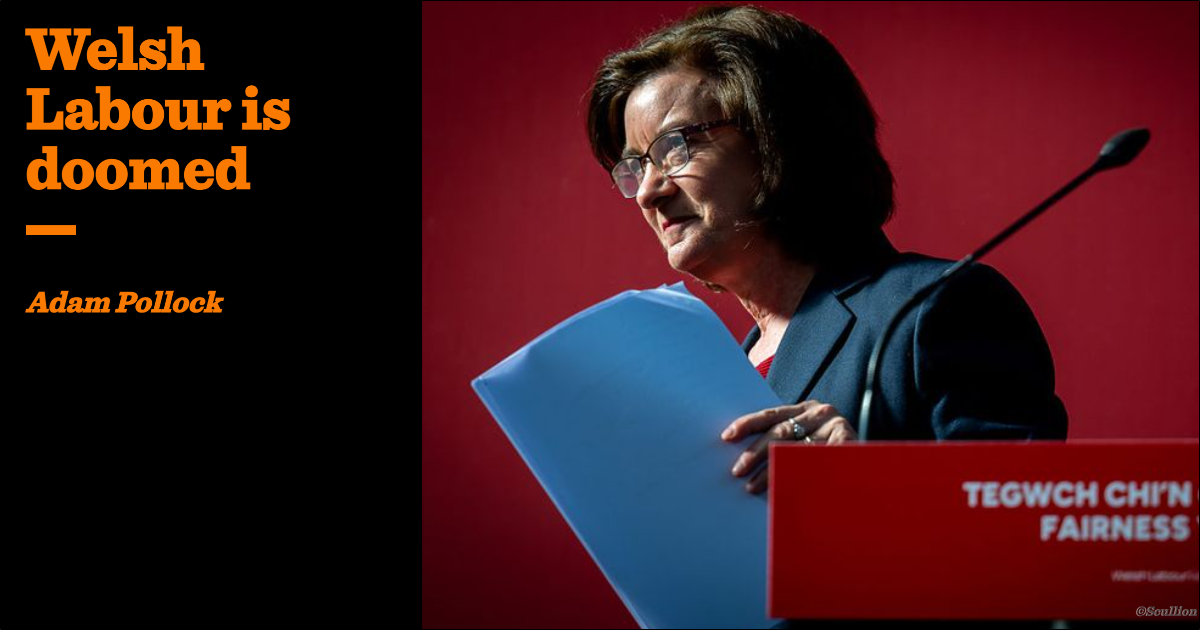
Eluned Morgan, jointly the Welsh First Minister and the Leader of Welsh Labour, dodged questioning on the issue by stating that it would be inappropriate to comment on an ongoing investigation, but the scandals within Welsh Labour are not going to disappear from public view that easily.
If there is anything to be certain of, it is that Labour will lose
This is not the only public scandal to befall Welsh Labour recently. Eluned Morgan’s predecessor as First Minister, Vaughan Gething, was found to have received a six-figure donation to his leadership campaign from a company linked to businessman David Neal, who was then under investigation for serious environmental offences. Gething resigned over the issue after spending only four months in office — the shortest tenure of any Welsh First Minister in history.
The Labour Party does not exude stability anywhere, but perhaps least of all in Wales. It is difficult to say whether or not Reform will win at the Senedd; if polling is anything to go by, they will not. But if there is anything to be certain of, it is that Labour will lose. The extent of their losses, not just in Wales but across the other elections on the same day, could well spell the end of the Starmer premiership. It has been a long time coming.