War in the Middle East may be thousands of miles away, but the ramifications are already starting to feed through to the energy bills of families in Britain.
In a troubling echo of the energy crisis when Russia invaded Ukraine in 2022, utilities firms are once again ramping up the price of fixed electricity and gas tariffs in response to war.
The cheapest fixed energy deal has risen by £131 a year in the last week alone and experts warn there are further hikes to come.
So what can you do to protect yourself from a major bill shock? Money Mail investigates.
Why are energy bills rising?
Wholesale energy costs are rising as production and transport of oil and gas across the Middle East have been disrupted by the conflict.
Shipments of oil and liquified natural gas have been halted through the Strait of Hormuz – a key corridor for transportation – causing major disruption to the energy market.
Around 30 pc of Britain’s electricity comes from gas-fired power plants and it is used for heating in more than 70 pc of homes. Higher gas prices also push up the cost of other energy sources such as renewables, because the energy market is so interconnected.
Oil prices surged above $100 a barrel in the early hours of Monday for the first time in years, and are now around 60 per cent higher than they were before the war started.
UK gas prices have nearly doubled since the start of the war, from 77.93p per therm to around 155p.

To fix or not to fix? Recent events in the Middle East mean it is a good time to look at your energy tariff, and consider whether it is time to switch
What is happening to energy bills?
Most British households are on their energy supplier’s default variable rate tariff and that will offer some protection from wholesale price rises at first. You will be on this tariff if you have not locked into a fixed rate deal – or if you haven’t fixed for a year or more and your old deal has expired.
Variable tariffs are governed by Ofgem’s energy price cap, which sets the maximum amount suppliers can charge for each unit of electricity. This doesn’t cap the total bill, so if you use more units of energy, you still pay more.
The price cap is recalculated every three months and crucially, it is set in advance. That means the Middle East conflict won’t affect bills until at least July. Until March 31, a typical household paying via direct debit would pay £1,758 on a price-capped tariff, and from April 1 to June 30, they will see their bill drop, to £1,641 a year on average.
However, the big unknown is what happens after that.
The price cap for July to September hasn’t been set yet, but so far respected forecaster Cornwall Insight has said the conflict could raise it by 10 per cent to £1,801. If the conflict is sustained, this estimate could rise further.
Analysts at Stifel say that a tripling in European wholesale gas prices to €100 could push a typical bill up to £2,500 a year and risk ‘a repeat of 2022’ unless the conflict eases.
At that time, energy prices soared as Russia invaded Ukraine, which also disrupted global gas supplies.
In October 2022, the price cap was set to rise to £3,549 for the average household, but the Conservative Government stepped in to limit this rise to £2,500, effectively subsidising any rise above that level.
Ben Gallizzi, energy expert at Uswitch, says: ‘If volatility continues, suppliers will keep updating the prices of new fixed deals to reflect the current state of wholesale prices. The regulator will also have to factor this into future pricing of the price cap from July if the turbulence remains.
‘If you’re not already on a fixed tariff and want certainty about your energy bills, you may still find value in locking in rates for a year or more to avoid volatility caused by global events.’
Tariffs are being pulled quickly, though, so you may need to act fast. In just over a week, the number available dropped from 38 on February 28 to just 18 on March 9, according to comparison website Uswitch. Fixed deals require your supplier to honour a certain price for energy even when wholesale prices rise, so some firms are deciding it is not worth taking on that risk while the energy market is so volatile.
What is a good deal?
The cheapest fixed rate deals have already been pulled by suppliers over the last few days.
Just a week ago, you could lock in a deal that would cost a typical household £1,509 a year – that has now risen by £131 to £1,640.
No one knows how long the Middle East conflict will last, and you may be able to ride it out if energy prices stabilise in the coming days or weeks.
However, a fixed-rate deal provides certainty so you know you won’t face a major bill hike in July – even if wholesale prices continue to soar.
If Cornwall Insight’s latest forecast proves correct, bagging the cheapest fixed deal of £1,640 is likely to pay off.
That is because the fixed deal is cheaper than the current price cap of £1,758, almost the same as the following one from April to July of £1,641, and likely to be substantially cheaper than the forecast cap of £1,801 from July to September. The energy price cap would have to drop substantially from September until the March next year for you to lose out overall.
It is predicted that Ofgem’s energy price cap could go up by 10% in July
What are the best deals right now?
The cheapest fixed tariff is a 12-month fix from Outfox Energy at £1,640 per year based on average usage, according to Uswitch.
Like all fixed tariffs, the cost for a typical household will drop by £118 a year from April 1. That is because the Government is cutting certain green levies from all household energy bills, which will be reflected in lower overall prices.
Customers on the price cap will also benefit, as the cap is being lowered from 1 April in part to reflect the scrapping of these levies.
So from April, the Outfox Energy tariff will cost an average of £1,512, which would undercut the April cap by around £129. It has an exit fee of £75 per fuel if you want to switch before the 12 months are up.
Outfox also has a Family Advantage+ tariff at £1,664 which offers a £94 saving on the price cap. From April 1, the saving will increase to £150 because of the reduced levies. Customers must go directly to Outfox to get the deal.
Elsewhere, Eon Next has a 12-month deal at £1,765, costing £7 more than the price cap until April, but then making a saving of £26 when the cap changes. The exit fee is £50 per fuel.
The cheapest two-year fixed tariff is from EDF, currently priced at £1,772, which is £14 more than the current price cap but offers stability for a longer period. With levies removed, this tariff is estimated to cost £1,644 from April, £3 more than the cap.
Although this deal is more expensive than one-year fixes, you may feel the security of knowing what you will pay for energy for the next two years is worth the extra cost.
The Eon and EDF deals are available via Uswitch, Confused and directly from the suppliers.
While it may seem counterintuitive to pay more than the price cap today, it could pay off in future – especially if the worst case forecasts bear out.
If you are already on a fixed-rate deal
If you are already on a fixed deal and wish to fix again for longer-term security over bills, be careful.
Suppliers frequently impose exit fees for those who leave their contract early. You will need to factor in these costs to see if they are outweighed by any potential saving when fixing to a new tariff.
Check whether you would be subject to exit fees. And remember that if you’re within three months of your deal expiring, you may be able get out of your old contract without paying a penalty. Check the terms of your deal.
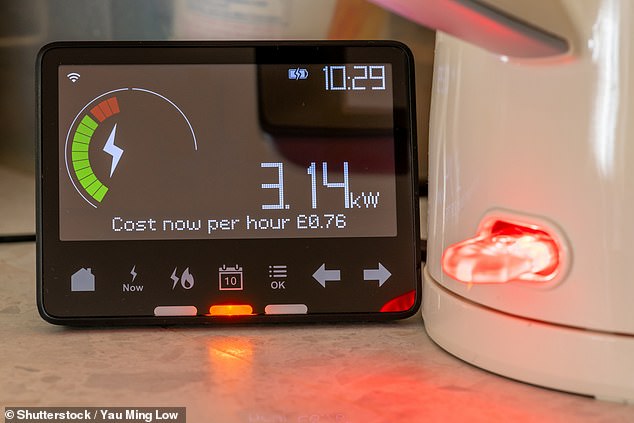
Switching deal can save you money, but it’s vital to look at terms and conditions such as exit fees, and whether you need to have a smart meter
Get a smart meter to get the best deals
If you don’t already have a smart meter, it is worth considering whether you would be willing to have one installed. Some energy firms now require this to access certain deals.
Many energy firms now offer time of use tariffs, which give customers cheaper rates for using power at off-peak times such as overnight – but require a smart meter to be eligible.
Time of use tariffs can work out cheaper if you are happy to use most of your energy at unusual times, for example if you can set your appliances to run overnight or have an electric car that you can programme to charge overnight.
For example, British Gas’ Economy 7 tariff provides seven hours of cheaper electricity, between midnight and 8am. It charges 14.82p per kilowatt hour during that time, but 33.74p per kilowatt hour the rest of the time.
Another smart meter-only deal is Octopus Energy’s tracker tariff, which bases rates on wholesale energy costs which change daily.
This could be a dangerous option at the moment, however, as a spike in wholesale prices could leave you paying suddenly expensive prices for energy – and considerably more than a standard variable tariff. There is no cost to switch back to a fixed deal.
How does switching work?
First, head to a comparison website such as Uswitch, Go Compare, Confused.com or Compare The Market to find the best deals.
Entering details about where you live, who your current supplier is, whether you use gas or just electricity and how you pay your bill will return a list of the cheapest tariffs based on your usage.
Standing charges vary depending on where you live, because each region is run by a different power network which sets its own costs. Tariffs also vary depending on whether you pay by quarterly or monthly direct debit, or on receipt of the bill. Monthly direct debit is usually cheapest.
Some of the best deals are not available through comparison websites. For example, the cheapest deal from Outfox Energy requires that you go directly to the supplier.
To compare your current deal to others on offer, find a copy of an old energy bill or check yours online to see what you are currently paying per unit of gas and electricity – and compare it with the new tariff.
‘It’s not one size fits all,’ says Gareth Kloet, energy expert at comparison website Go Compare. ‘However, if you’re on a budget and want security, fixed deals are a good option.’
Don’t just focus on price, as customer service is also important. Citizens Advice produces a league table of all firms with at least 25,000 customers every three months. Smaller suppliers Ecotricity and Outfox Energy topped the charts in the most recent rankings, covering July to September 2025. EDF, So Energy and Tru Energy were bottom. Go to the Citizens Advice website for details.
Ben Gallizzi says: ‘Despite all the noise, households shouldn’t feel pressured into just taking any fixed deal. Look at the unit rates, standing charges, exit fees and the duration of the contract and find what’s right for you.’
If you decide to choose a tariff you’ve seen on a comparison website, you can click through to the supplier’s website and complete the switch. Alternatively, phone and quote the rate you have been offered online and ask them to match it.
If you’re happy with your current supplier, but see better deals elsewhere, it is worth asking it for a better tariff. Many have ‘secret’ rates they can offer to existing customers. For example, Octopus’ tracker tariff is only open to existing customers.
Once you have confirmed, the switch should take place within five working days. You will be asked to provide meter readings to your new supplier, unless you have a smart meter in which case this information should be relayed automatically.
If you are in debt to your energy supplier, you will need to pay this before you are allowed to switch away. Any credit that you have built up with your old supplier should be returned to your bank account.
Go Compare’s Kloet says that under distance selling rules, your new supplier must honour the deal it is offering as soon as you have entered your details on its website – even if the deal is pulled before your switch completes. ‘There is also a 14-day cooling-off period if you change your mind,’ he adds.
Watch out for exit fees
Gallizzi says suppliers are ramping up exit fees, as more customers look to switch in the wake of the conflict. ‘One thing we’ve noticed in the last week is that some suppliers are increasing exit fees on new deals or introducing them on tariffs where they were not previously included,’ he says.
Last week, supplier Octopus introduced a £75 per fuel charge for new tariffs. With such a hefty exit fee, you will need to be confident that you will not want to switch suppliers until your current deal expires because you are unlikely to make sufficient savings to outweigh them.
‘If you switch within 49 days of the end date, you don’t pay,’ Kloet adds.
Should you be worried about smaller suppliers?
Some customers may be concerned about switching to a supplier they haven’t heard of before.
The last time energy prices spiked, some smaller firms went under and customers were transferred to a new provider automatically under Ofgem’s ‘supplier of last resort’ regulations.
‘Choosing a smaller energy provider isn’t necessarily riskier, but it can be sensible to consider factors such as its customer service record and tariff terms before making a decision,’ says Tom Lyon, energy expert at Compare the Market.
‘All licensed suppliers must meet Ofgem’s regulatory standards, and if a provider were to exit the market your energy supply would continue while a new supplier is appointed.’
What if your home is fuelled by oil or liquefied natural gas?
Most energy customers won’t see their bills rise until the price cap changes in July, or their fixed rate ends and they move to a new one.
However, the problem is much more urgent for the 1.7million Britons, mostly in rural areas, who can’t be connected to the gas grid.
They rely on heating oil or liquefied petroleum gas (LNG) for heating and hot water, and are already seeing the price of these soar.
This type of fuel is not covered by the energy price cap. On Monday, Chancellor Rachel Reeves said the Government would meet on Wednesday to address the ‘unique challenges faced by these households and ‘explore further action.’