
This article is taken from the March 2026 issue of The Critic. To get the full magazine why not subscribe? Get five issues for just £25.
One day the streak will end. Perhaps by the time you read this, Blackheath will have played a rugby match this season in which Billy the Bulldozer didn’t score a try. As I write, however, the captain has touched down in every match, often more than once. He has 34 tries in 18 matches in National League One, including five hat-tricks. It is an extraordinary run. Mark Cueto holds the Premiership record, scoring in eight successive matches in 2005, but Cueto was a wing. Scoring tries is their job. Billy Harding is a hooker.
You can guess how they usually come. Blackheath get a penalty, kick deep into the 22 and from the line-out Harding barges over. The man in the white headband is the master of sensing opponents’ weak spots, manipulating the mass of bodies from the back of the maul in order to target the point at which to drive. Play to your strengths, I say.
Harding is a Blackheath boy. His parents used to run the Princess of Wales pub where the club was founded in 1858. His consistency has lifted the club to third place and a sniff of promotion. When Blackheath have a close line-out, you can sense the belief surge in the team and their supporters. He has that crucial ingredient for sporting success: an aura.
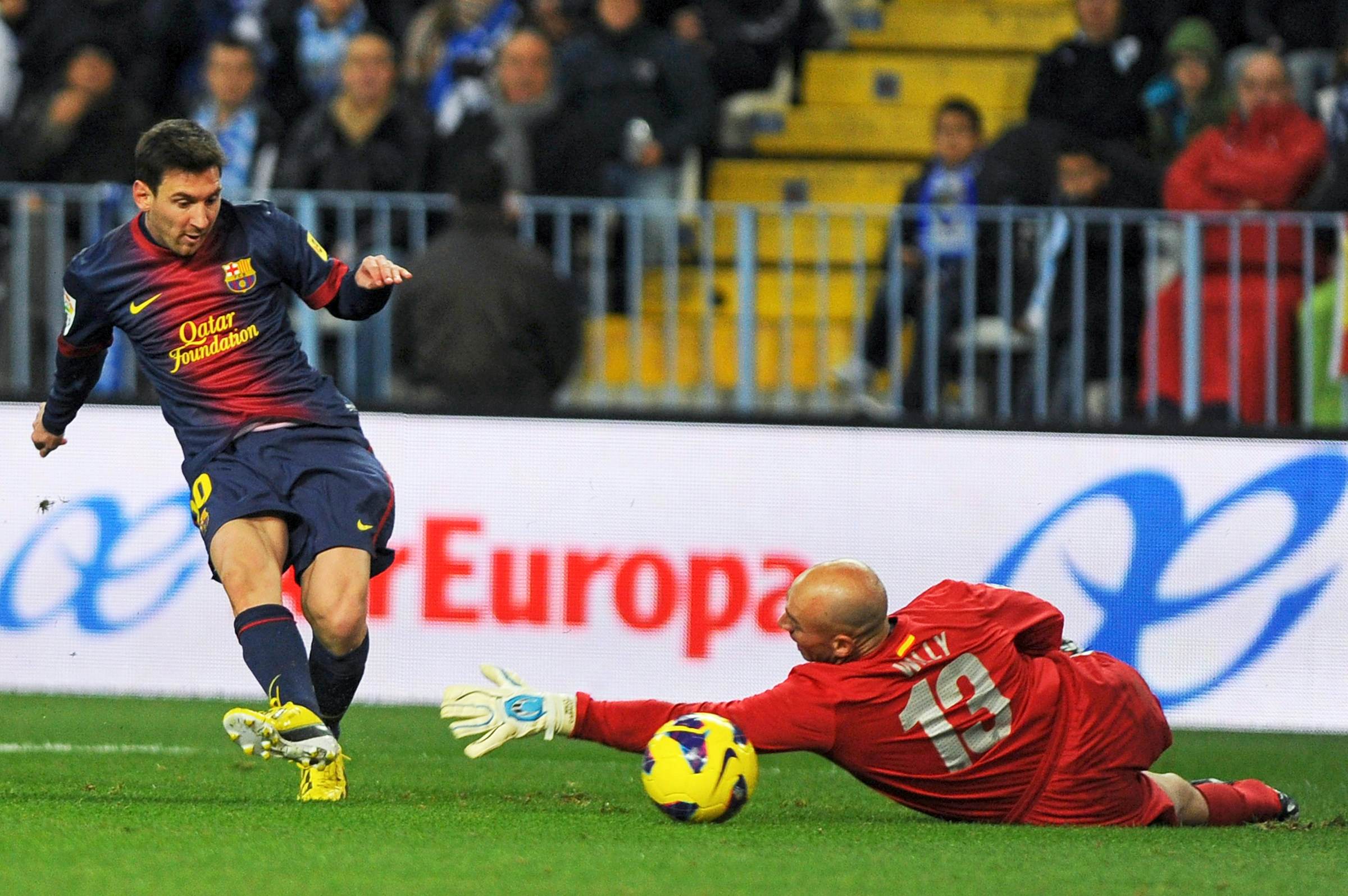
Lionel Messi had it. In 2012–13, the Argentinian footballer scored in a record 21 consecutive league matches for Barcelona (though unlike Harding this year he missed three games with an injury — they were about all he missed). Messi finished that season with 60 goals: 44 more than Barcelona’s next heaviest scorer. Joe DiMaggio was similarly dominant in baseball in 1941, making a hit in 56 successive games.
That is nothing, however, compared to LeBron James’s remarkable streak in the NBA that ended in December. The LA Lakers basketballer scored at least ten points in 1,297 consecutive matches, a run that began when George W. Bush was president and before the first iPhone was released. The next longest streak of double-digit scoring games was by Michael Jordan, a mere 866 matches.
Sometimes a sportsman just gets in a groove. Neil Jenkins, the Welsh rugby player, didn’t understand all the fuss when he converted 44 successive kicks at goal in 2003–04. “It’s my job,” he said. “Praising me for it is like praising the postman for delivering 44 letters in a row.” The streak, and the aura that comes with it, has a psychological effect on the opposition.
It can affect selection, too. Hamish Bond and Eric Murray, the New Zealand men’s pair, won 69 consecutive rowing races between 2009 and 2016. Pete Reed and Andy Triggs Hodge, the best British oarsmen, tried for three years to beat them but eventually decided to compete at the London Olympics in the four, which they won.
For almost 20 years, tennis players knew that if they played Rafael Nadal on clay, especially at the French Open, they could check out of their hotel before going to the court. The Spaniard lost just four of his 116 matches at Roland Garros and between 2005 and 2007 won 81 clay matches in a row. But even Nadal has to bend a knee to Chris Evert’s dominance on the orange stuff. The American won 125 clay matches in succession from 1973–79, losing only eight sets.
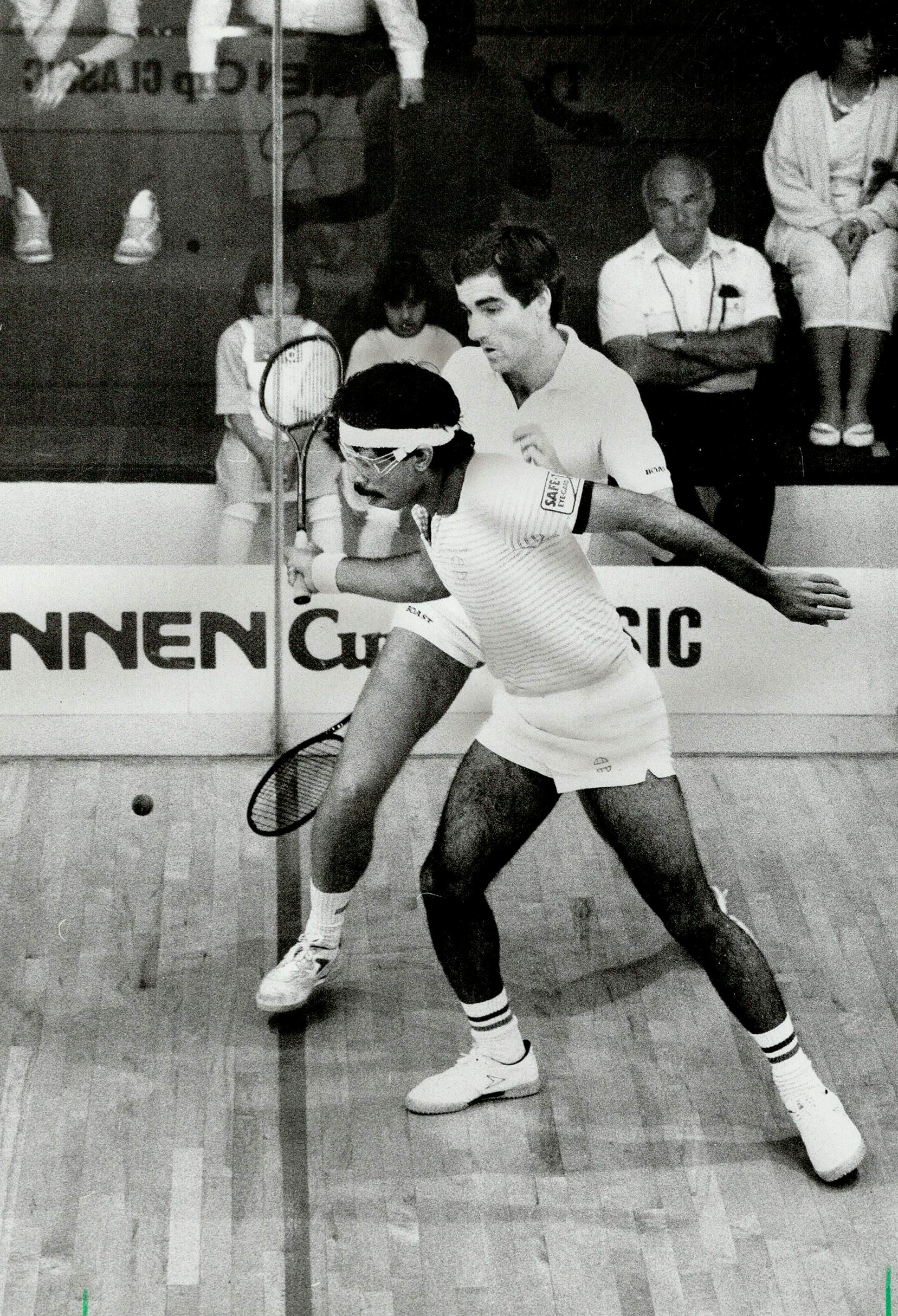
In terms of wins, Jahangir Khan’s dominance on the squash court was immense. In 1981, the 17-year-old Pakistani began a numerically pleasing 555-game winning streak that ended after five years and five World Open titles. Around the same time, Edwin Moses was on a 122-race winning run in the 400 metres hurdles, a streak with its own symmetry, lasting for nine years, nine months and nine days.
In golf, surely no one will beat Byron Nelson’s record of 11 straight wins on the PGA Tour in 1945. Tiger Woods has come closest with seven. On the other hand, Woods made 142 successive cuts between 1998 and 2005. That’s majestic reliability. Scottie Scheffler, the best player of our time, is only on 65. He would need to make the weekend in every tournament for the next four years to pass Woods.
What is more impressive, a short streak of dominance or chipping in for a long time? Muttiah Muralitharan, the great Sri Lankan, took a wicket in 52 successive Test innings from 2002–06 but Tich Freeman, the Kent leg spinner, had a five-wicket haul in ten successive innings in 1930. Don Bradman had six hundreds in successive innings (a record he shares with C.B. Fry and Mike Procter) but maybe Colin Cowdrey’s 148 innings without a duck from 1962–66 is as impressive.
Eventually streaks end, but it does not have to be The End. When Muralitharan had a blank innings in 2002 after striking in 49, he immediately began a longer run; after Nadal lost his 32nd match at Roland Garros, he won his next 39. Björn Borg, on the other hand, lost the 1981 Wimbledon final, having won the previous five, and never played there again. Blackheath’s Billy has been on a glorious run but when it inevitably ends, his fans on the touchline hope he has a few tries still in him.