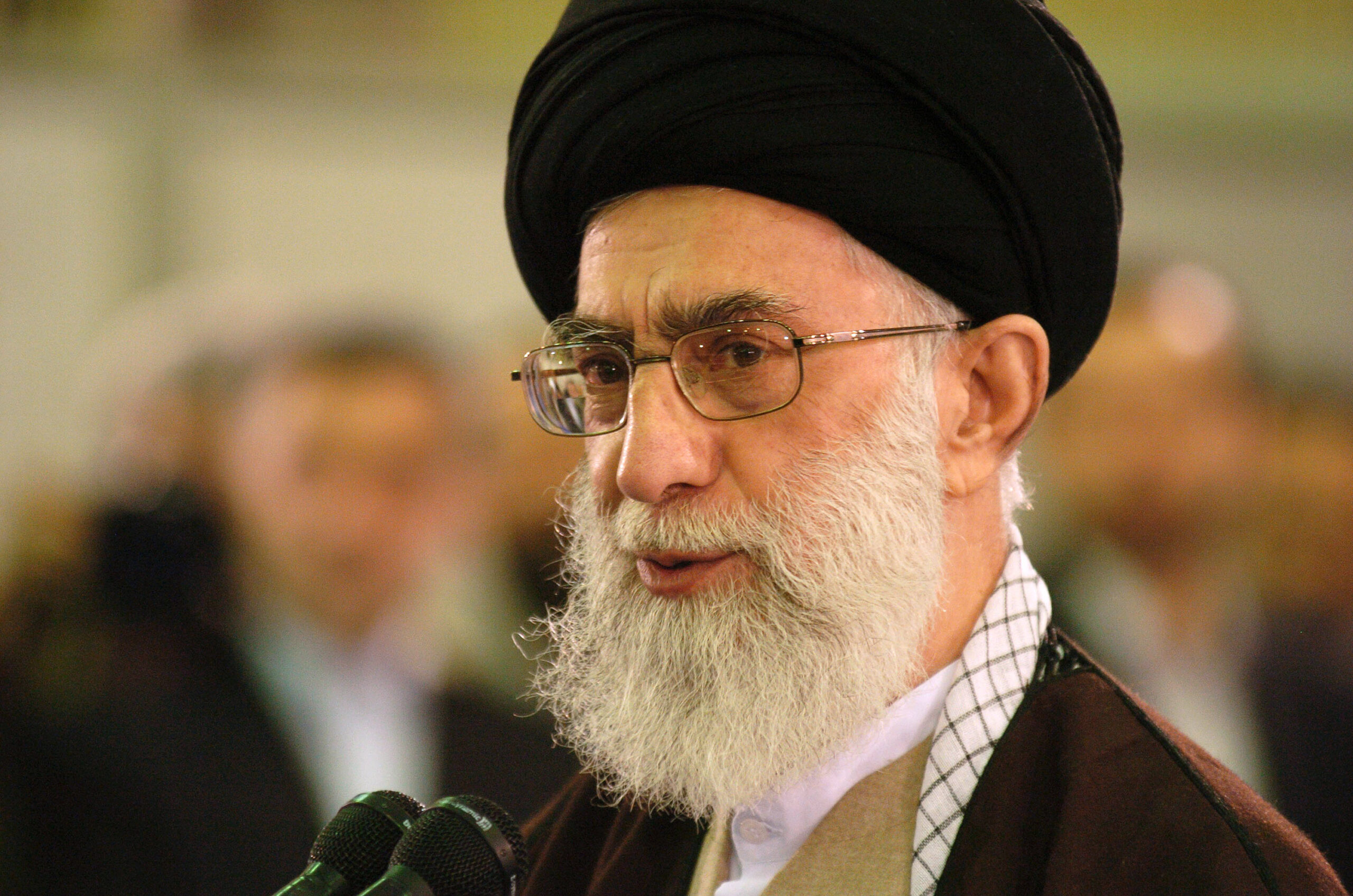
The killing of Ayatollah Ali Khamenei has been hailed as a decisive blow to the Islamic Republic. While this moment may feel like history turning a page, Khamenei’s death at the hands of his mortal enemies—Israel and the United States—plays directly into the Islamic Republic’s founding eschatological worldview, which exalts resistance and martyrdom. Rather than weakening the system, it may ultimately harden the very order it was meant to undo.
As the Islamic Republic’s ideological anchor and senior clerical authority for millions of Shia Muslims worldwide, Khamenei’s eventual departure was long understood to mark a pivotal transition. For nearly two decades, Iranians inside the country and across the diaspora have contemplated what a post-Khamenei Iran might look like. Some have hoped for his death as a form of justice, a catalyst for progress, or simply an opening for meaningful change.
But dying in wartime, at the hands of foreign forces, fixes his legacy in the register of martyrdom, a fate he openly embraced, despite the fact that he was 87 and already nearing the end of his life.
What many anticipated was something closer to a de-Stalinization phase for Iran following Khamenei’s natural death. That scenario was viewed by many as a default turning point that would give way to an era of gradual reform and social liberalization. Time, after all, was already working in that direction. Internet access is widespread, urban centers are increasingly cosmopolitan, the median age hovers in the low mid-30s, and roughly three-quarters of Iranians live in cities. Such a trajectory would have afforded Iran a far healthier post-Khamenei process.
Instead, we’re now in what appears to be a worst-case scenario: his inevitable death elevated him to shahid (martyr) status, and the state’s institutions—sturdy as they are—will now be defined by this war and his martyrdom rather than a natural transition. In doing so, it risks foreclosing the gradual political unwinding that might otherwise have followed a natural succession. Whether those institutions will endure in their prior form remains uncertain.
From a geopolitical standpoint, there is a silver lining: President Donald Trump can claim a decisive symbolic victory. In strictly transactional terms, this outcome could even function as an off-ramp or internal shift acceptable to Washington—one might draw parallels to the Delcy Rodríguez episode in Venezuela. But, having made Khamenei a martyr, that scenario is now far from likely. And with his death, the fatwa (religious ruling) against nuclear weapons he long championed may lose much of its authority—removing one of Iran’s few stated barriers to weaponization.
Subscribe Today
Get daily emails in your inbox
Domestically, Khamenei’s assassination does little to advance the political development Iran requires, beyond perhaps offering a semblance of justice to the victims of his rule, including the many killed or imprisoned in successive protest crackdowns, most recently in the unrest of January 2026. A public reckoning, even the remote possibility of a fair trial, would probably have done more for Iran’s political maturation and collective psyche than a foreign-orchestrated killing, which slots neatly into Iran’s long history of foreign interference in its affairs.
This distinction matters because, in the aftermath of American–Israeli action and absent a credible rival or mutinying security force, instability will generate a renewed demand for order—one that only the regime’s existing security apparatus, or its remnants, is positioned to meet. That dynamic makes what follows more complex, not less.
In the end, the American-Israeli decision that produced Khamenei’s martyrdom only validates the Islamic Republic’s founding eschatological worldview. What was intended as a decisive blow instead immortalizes him within the regime’s self-described ethos of resistance and global justice. That this outcome was delivered by an ICC-indicted prime minister widely accused of overseeing genocide and a U.S. president facing scrutiny for privileging Israeli interests in his foreign policy only deepens the regime’s narrative of vindication.