A new season begins in Formula One this week and with it, a new era begins in the sport.
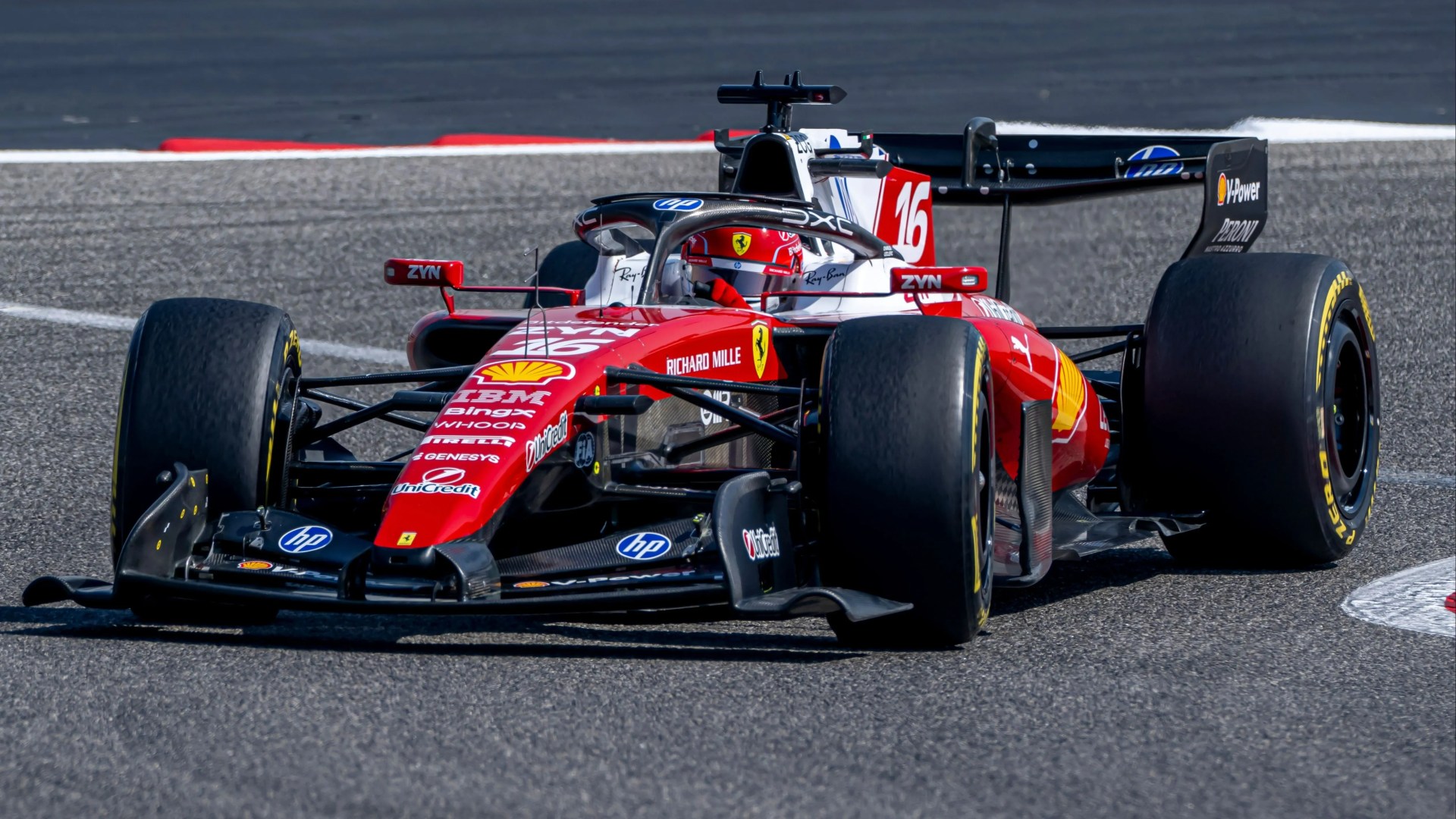
F1‘s governing body, Federation Internationale de L’Automobile (FIA), have introduced a new set of regulations that the teams have to follow in the 2026 season.
The FIA have worked closely with the Formula One and the teams within it to design the new regulations that are being introduced.
British driver Lando Norris won the 2025 Drivers Championship for McLaren, becoming the 11th Briton to win the title.
Lewis Hamilton enters the season eyeing a record breaking eighth world title – in doing so the Ferrari driver would break the record of former Prancing Horse driver Michael Schumacher.
There is only one rookie driver on the grid this season as British teenager Arvid Lindblad will drive for Red Bull‘s second team, Racing Bulls.
What are the new rule changes in Formula One?
From 2026, F1 has overhauled its aerodynamic package, as well as power unit rules and its drag reduction system (DRS).
Power unit changes
A lot has changed in this area, but the 1.6-litre V6 turbo hybrid engine remains the same.
Around it, the power balance has shifted so that teams will have to provide a 50-50 split between the internal combustion engine and electric motor.
The idea behind this is, while keeping the sport at a similar entertainment level, increasing the attractiveness of the sport to new fans and new business in the modern climate of the world.
This has been received, with new teams in the sport such as Audi, Honda, Red Bull Power Trains and Cadillac in 2029 all supplying engines into F1.
The new power systems enable a new Energy Recovery System (ERS), meaning the teams can recharge the battery with twice as much energy per lap – this is through recovery under braking or lifting off the throttle towards the end of straights.
This new power system also sees the end of the old heat recovery system, which added a lot of weight to the cars.
Moreover, the cars will now be using sustainable fuels for the first time in F1, though it was trialled last year in F2 and F3.
This fuel is made from sources such as carbon capture, municipal waste and non-food biomass, as well as being checked independently to meet sustainability standards.
Aerodynamic rules
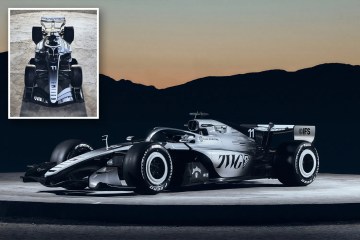
The cars this year will be shorter, lighter, narrower and more agile.
The wheelbase has been shortened in the cars in order to make them quicker through corners.
This doesn’t mean that the wheels are smaller, they will still be using 18-inch Pirelli tyres, but they will be narrower to help cut weight and lower the drag on the cars.
The wheel arches will also be going to cut down on weight and keep the cars cleaner.
Moreover, in a change to the previous era of regulations from 2022-2025 where there was a lot of focus on the floor of the cars, all of that is now gone.
This leaves teams more variety in how they set up their vehicles that can suit a bigger range of driving styles – it also means less downforce and higher ride height requirement.
Furthermore, the FIA have also simplified the regulations on both the front and rear wings.
The front wing will be narrower and some outer sections will offer new areas of development for the teams – this area could be a huge point where the teams can gain an advantage if their design gets it right.
Out of the aerodynamic changes, the biggest switch is in the introduction of ‘Active Aero’.
The cars can now adjust the angle of both their front and rear wing elements depending on their track position.
Similar to the DRS system we have become used to in F1, the drivers can active low-drag mode on designated straights to increase top speed and reduce drag.
They do this by opening the flaps and flattening the wings to allow for more airflow through the car.
Goodbye to DRS
The new ‘Active Aero’ system does mean saying goodbye to the current system of DRS, where drivers had to be within one second of the car in front in order to activate it.
The new system allows every driver to gain speed through designated straights on every lap.
However, being inside one second of the driver ahead does still have its advantages through the new ‘Overtake Mode’.
This new system is similar to DRS in that it will only be used when a driver is looking for an overtake in the race.
It works by giving the driver access to more electrical energy which they charge up through the race and deploy to overtake or pressure the driver ahead at one single detection point.
As well as the ‘Overtake Mode’ button, there will be another button called ‘Boost Mode’ which drivers can use at any point around the lap to either help overtake a car or defend against someone else when you are more vulnerable – provided there is enough charge in the battery.
The third button on the steering wheel will help the drivers recharge their batteries in periods they don’t need to expend as much energy.
Drivers can work with their race engineers to select which mode they would prefer to recharge their batteries, ranging from braking and engine energy.