CONSULTATIONS have begun over proposed stricter alcohol limits for drivers – the first change in England and Wales since 1967.
The limit could be cut by more than a third, from 35mcg of alcohol per 100ml of breath to 22 as it is in Scotland, and be set even lower for young drivers.
Experts advise that if if men and women drink the same amount, her blood-alcohol level will generally be higher than his, due to factors including metabolism and size.
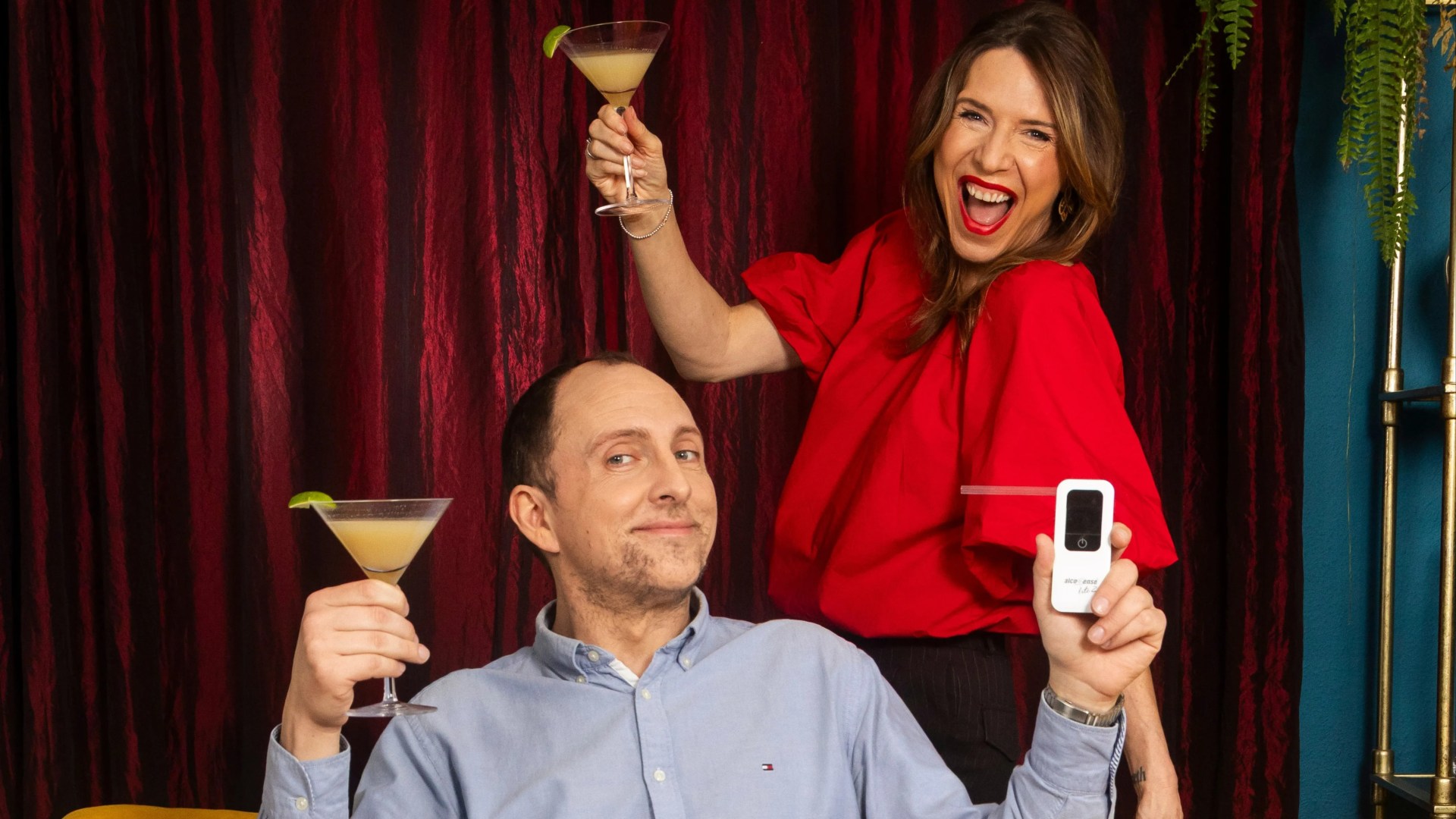
Here, freelance writer Anna-Louise Dearden, 52, and partner Phil Souter, 43, an accountant, see what drinks take them over the limit.
The pair, from Northants, measured levels with the AlcoSense Lite 2 breathalyser (£44.99, Amazon) over three days.
On the device, a 0.8 reading is right on the existing drink-drive limit, so well OVER the suggested lower level.

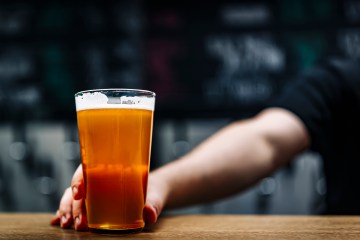
DAY 1: COCKTAILS
Anna-Louise and Phil drank three Margaritas each
ANNA-LOUISE SAYS: “Friday was cocktail day, whoop! We had two Margaritas before dinner. I made them properly with tequila, triple sec, fresh lime and a bit of sugar syrup so they were quite punchy.
“Even half-way through the first drink, I could tell I’d consumed alcohol. I felt light-headed.
“The readings seemed to confirm how I felt, as mine went straight to 0.8. Phil’s was lower. He didn’t notice any effects of the alcohol at all until he’d finished the second cocktail.
“I know alcohol affects me more on an empty stomach. We cooked a chilli before having a third, and then a liqueur.
“Afterwards, my reading slowed down a bit and Phil caught up. Thirty minutes after the last drink, I was still well over the limit.”
PHIL SAYS: “Weirdly I didn’t feel too boozed at all. But Lou definitely did.
“There was a nice buzz, though, and we were chatting with a friend while cooking, then eating dinner.
“Eating feels like it slows the tipsy feeling down, but then it could just be masking how much alcohol you’ve actually had.
“It was interesting getting the readings in real time.”
DAY 2: WINE & FIZZ
They shared a bottle of bubbly and had a glass of wine each
ANNA-LOUISE SAYS: “Our readings were quite similar after one glass of fizz, but I felt pretty buoyant, especially considering I had a cold.
“After two glasses, my reading was still just a little higher than Phil’s. I felt quite tipsy. We finished the bottle so had consumed half each.
“We had a small break before having a Chinese takeaway and three small glasses of red wine. By the end of the second wine, my reading was double my partner’s. But after eating I didn’t feel drunk at all.
“We ended up finishing that bottle too, but it was over quite a long period of time. The readings would have been higher if you’d had glass after glass in a bar.
“Even though we’d got through two bottles of wine between us, Phil was still only just touching the current drink-drive limit.”
PHIL SAYS: “This was slow – over the whole afternoon and early evening – so I never felt out of control.
“Lou’s drinks seemed to have more of an effect, but she’d also been taking cold and flu tablets, although I’m not sure that made much difference, as she’s definitely more of a booze lightweight these days.
“I enjoyed the pace of drinking and didn’t feel tipsy.”
DAY 3: BEER
Anna-Louise and partner Phil drank three bottles of beer each
ANNA-LOUISE SAYS: “I love Desperados, a tequila- flavoured lager, and the first bottle slipped down easily. I felt tipsy afterwards, though the beer is strong, with a 5.9 per cent ABV.
“We also drank it quickly. I hit the drink-drive limit after one drink. I was surprised as I thought the wine would have affected my body more than beer.
“By the time we finished the third, Phil had caught up with me and we were both reading over the limit.
“Afterwards we had a roast dinner and a glass of wine. Even though we had the extra drink, our readings didn’t go any higher.
“I’ve always had a good switch off with booze, but once Phil has had a few he wants to keep going.
“He had a whisky when he got home and for the first time in the experiment, his reading was higher than mine. He was encouraging me to join him, as he often does, but I just couldn’t manage any more.”
PHIL SAYS: “This was the booziest day and I think that’s because of the timeframe and speed we drank them.
“We went for a pre-dinner drink at a local pub and had the Desperados quite quickly, on an empty stomach.
“I could definitely tell I’d had a drink and I wouldn’t have even considered driving that day.
“It felt like it slowed down with the meal, but I was enjoying myself, and thought a whisky at home would top it all off nicely. And it did.”
OUR VERDICT
ANNA-LOUISE SAYS: “I get through around 21 units a week, which is over the limit for a woman and amounts to about nine medium glasses of wine, but I try to have two or three days off alcohol every week.
“I like to have a glass of wine while I cook but I am good at putting the lid back on it.
“Taking part in this experiment was interesting. I was surprised by how much the lager affected me. If you’re feeling a bit tired or under the weather, I think alcohol then has a bigger effect too.
“The results of the breathalyser test prove that you can’t really gauge how alcohol is going to affect you. If we are driving we only have one small drink with a meal.
“On two of the days I was over the suggested new limit after my first drink – with a beer and with a cocktail, but on another day it was only after my third small glass of plonk that I was over.
“For Phil it was his fourth drink of the day which sent him over the limit, but we had been drinking very slowly over several hours, and we had a Chinese.
“It just goes to show there are so many factors that go into how alcohol is going to affect you on any given occasion.
“It’s all very well lowering the drink-drive limit but there’s no ‘one size fits all’ rule. Alcohol affects everyone differently.”
PHIL SAYS: “We both love alcohol, and enjoy different drinks for different situations.
“A cold cider in a beer garden, a robust red with a Sunday dinner or a pre-dinner cocktail to get the taste buds going.
“Over the last couple of years, Lou has definitely reduced her drinking.
“We still have a good time, and if I fancy carrying on and she doesn’t, that’s fine. I would say, though, that if she doesn’t fancy a drink, I probably won’t either, as it’s less fun drinking alone.
“She definitely feels the effects of the booze more than me, and gets giddy after just one or two – she calls herself a cheap date!
“I was surprised that we didn’t get higher readings on the breathalyser, but I think it’s because our consumption was slow and steady.
“However, it’s probably best to avoid driving on ANY booze because you never know how easily you’ll go over the limit.”
Be safe. It’s best not to drink any alcohol before driving
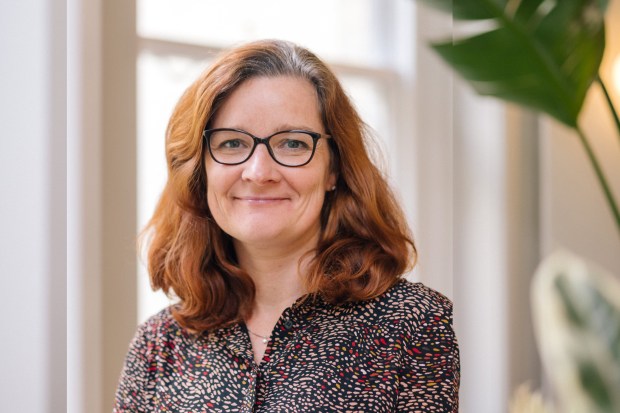
Karen Tyrell, CEO of Drinkaware, says: “Evidence shows that if a woman and a man drink the same amount, the woman’s blood alcohol level will almost always be higher than the man’s.
“Women are typically more affected by alcohol because they have proportionately less body water, smaller average body size and lower levels of alcohol-processing enzymes.
“Despite this, most countries use a single drink-drive limit for clarity and enforceability.
“This makes sense because the law focuses on the risk posed at a specific blood alcohol content, regardless of how many drinks an individual consumed to reach that level.
“The safest and best advice is to avoid alcohol if you are driving. Even small amounts of alcohol can affect your ability at the wheel and there is no reliable way to drink and stay within the limit.
“If you need to drive, there are lots of no or low-alcohol alternatives.”
For further information and advice visit drinkaware.co.uk. You can also download the MyDrinkaware app to track your drinking.