IT’S the cruel reality no one on fat jabs wants to hear – once you stop using them, you’ll likely pile the weight back on.
Yet another study has suggested our fears to be true. But there is hope, as dietitian Lucy Diamond says there are key mistakes people can avoid to prevent overeating once appetite suppression wears off.
Researchers at the University of Cambridge, who tracked over 3,000 slimmers, found they regained 60 per cent of weight lost within a year of stopping the jabs.
Medical student and study co-author Brajan Budini said: “Drugs such as Ozempic and Wegovy act like brakes on our appetite, making us feel full sooner, which means we eat less and therefore lose weight.
“When people stop taking them, they are essentially taking their foot off the brake, and this can lead to rapid weight regain.”
Researchers warned jabbers might even be “worse off than before” if they regain fat rather than muscle.
But it is not an inevitable fate… key habits you adopt while taking the injections, as well as while coming off them, could determine whether or not the weight starts creeping back on.
Lucy Diamond, a registered dietitian and vice president of patient outcomes at weight management provider Oviva, tells Sun Health: “Research indicates that many individuals regain a significant portion of their lost weight within a year of stopping the medication if lifestyle changes and support systems aren’t firmly in place.
“Transitioning off weight-loss medications is a significant milestone.
“The most successful transitions happen when the time spent on the medication is treated as a ‘training period’, developing the routines your body will need when appetite suppression lifts.”
It follows warnings from others that weight regain is likely – possibly within just eight weeks of discontinuing them, a meta-analysis published in BMC Medicine shows.
Meanwhile, Oxford researchers found people typically return to their starting weight one year and eight months after stopping the jabs.
This might be an anxiety for many Brits buying Mounjaro or Wegovy privately.
It’s thought that nearly one in 10 Brits – a whopping 4.9 million – have either used the drugs or are thinking of using them.
With weight loss jabs costing several thousand a year, using them long-term – or for life – is not affordable.
But don’t despair just yet – there are things you can do to stop or stall the scale numbers from climbing, and it starts with taking a look at your plate.
Lucy revealed three common mistakes people make when stopping their weight loss medication, which can trigger junk food cravings, slow their metabolism and cause overeating.
Contrary to what you may think, the biggest mistake that can lead to weight regain is not eating ENOUGH when you come off the jabs, Lucy says.
You might assume skipping meals will help you eat less throughout the day and keep your calorie count low, after eating so little when your appetite was suppressed by the drug.
But Lucy stresses that “maintaining regular, balanced meals” is actually more beneficial for weight loss.
The dietitian explains: “Inconsistent eating can signal ‘scarcity’ to the body, potentially slowing your metabolic rate
“Skipping can lead to increased hunger at the next meal, causing us to overeat, and potential trigger cravings for high-energy, ultra-processed foods.”
Haribo helper
One weight loss jab user told Sun Health that having a bag of Haribo sweets handy was a good way to avoid binge eating while tapering off.
“The small amount of sugar is enough to get my fix without piling on the pounds,” they explain.
“I can pick a bigger or smaller sweet depending on how I feel.
“It helps keep my sugar levels balanced.”
Lucy says: “I’m not sure I can recommend this one directly.
“But I like the concept of people finding what works for them, little tips and tricks to prevent cravings and curb hunger or food noise.
“Something with a little fibre or protein may starve it off for longer, but whatever works well for someone!”
Trying to have regular meals is important when you’re on GLP-1s too.
According to Lucy, it can help “stabilise your appetite” and may even help “minimise gastrointestinal side effects such as nausea or bloating”.
Another common mistake slimmers make is stopping GLP-1s all at once, instead of tapering off them slowly.
“A gradual ‘step-down” of the medication allows your digestive system and hunger hormones to recalibrate safely,” Lucy says.
What you eat is important, but you need to take stock of what you’re drinking too.
“Sometimes hunger cues can be confused with thirst”, so staying well hydrated throughout the day is key, according to the dietitian.
‘T PLATE’ RULE
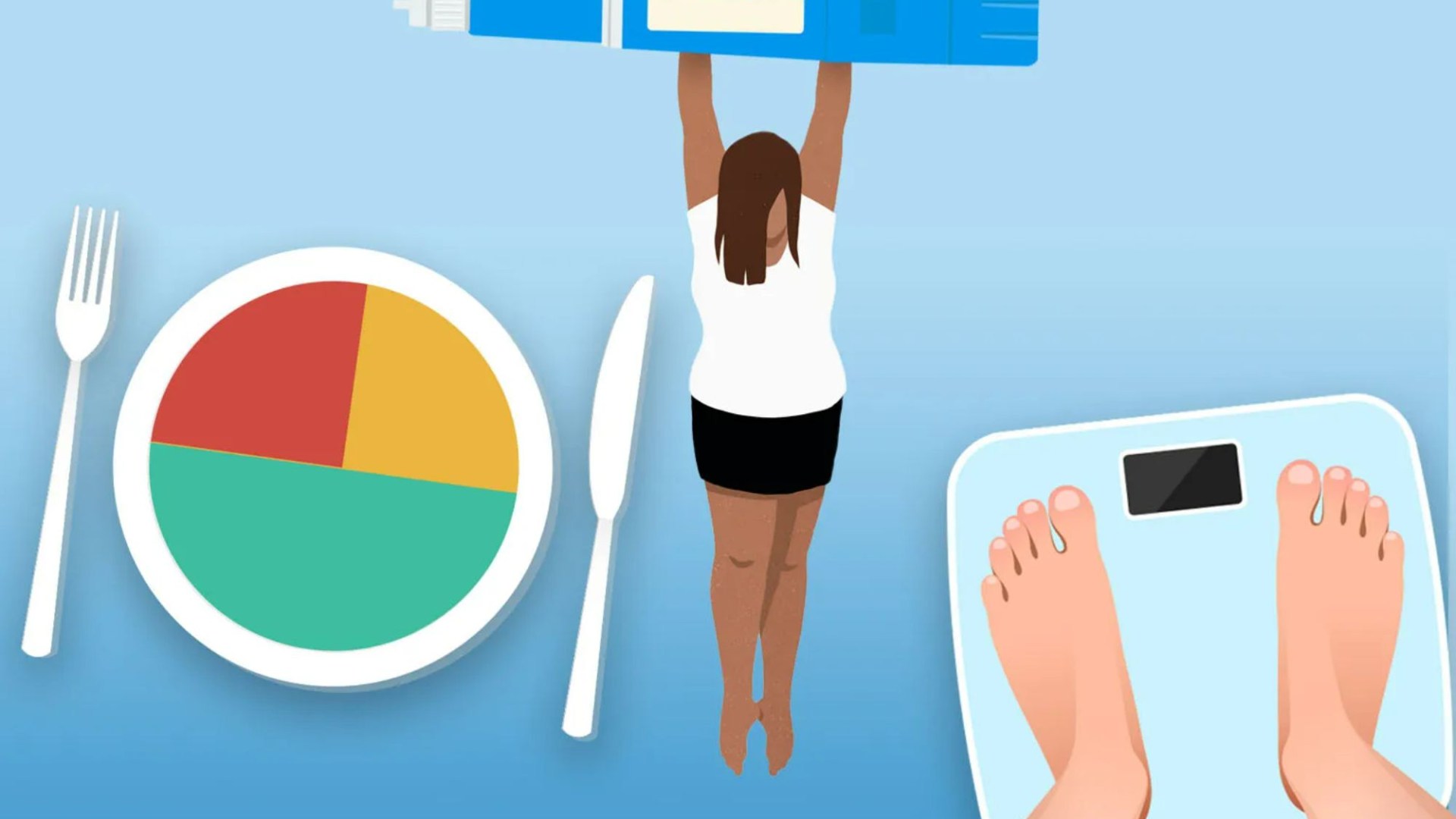
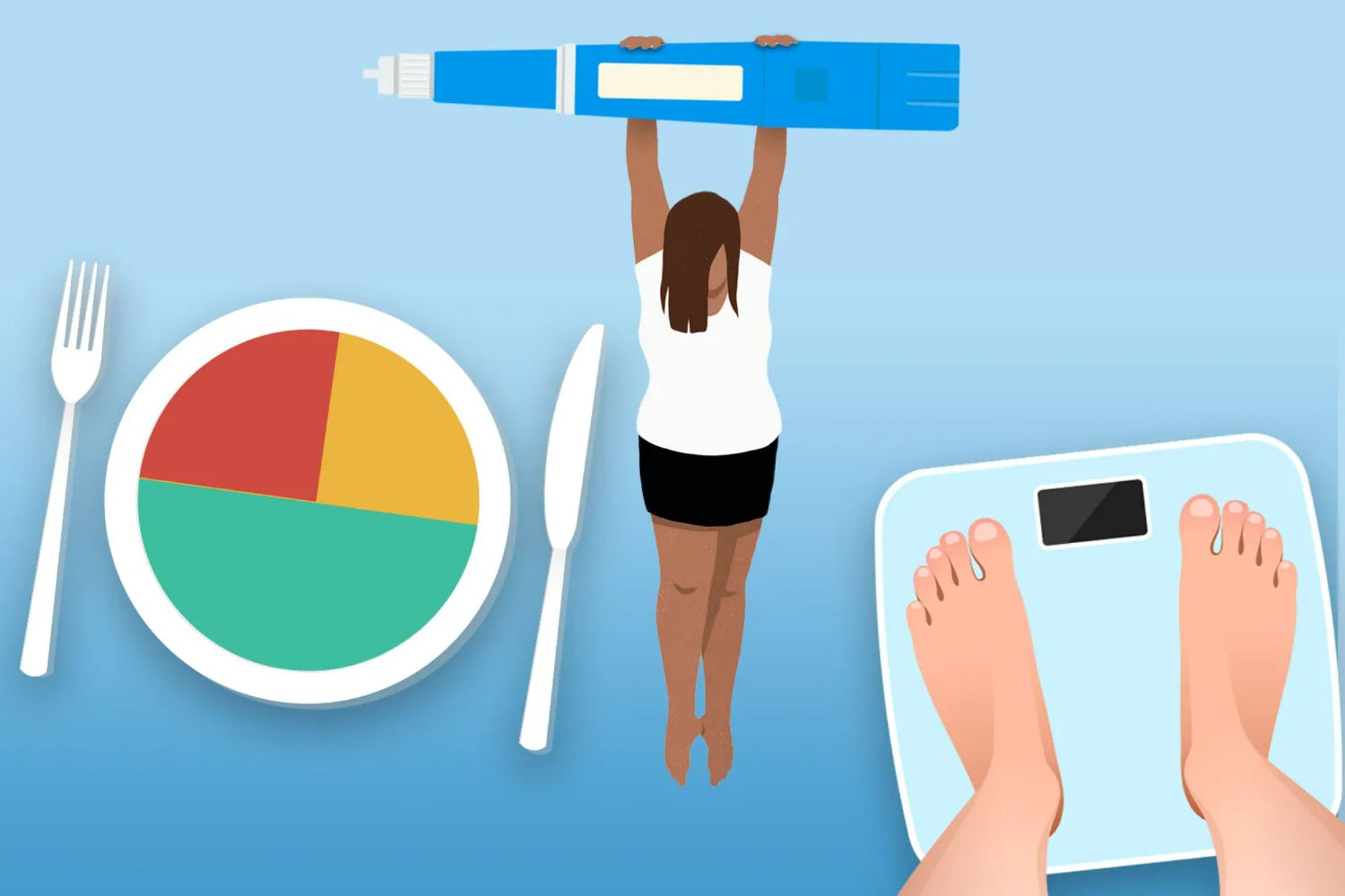
Lucy reveals a simple way to make sure you’re eating proper, weight-friendly meals, known as the ‘T-plate’ portion guide.
The T-plate portion guide involves dividing your plate into sections to ensure you’re getting a balance of nutrients.
It’s called that because it’s sort of like drawing a capital T on your plate to split it up.
For your main meals, make sure:
- Half your plate is vegetables or salad
- A quarter of your plate is protein
- A quarter of your plate is wholegrain carbs or starchy veg
Still not sure what to cook? Lucy shares some inspiration:
Breakfasts:
- Greek yogurt with oats, berries and flax or chia seeds
- Scrambled eggs with spinach or mushrooms
Lunch or dinner:
- Grilled chicken or salmon, with quinoa, and mixed salad
- Bean and vegetable stew
- Tofu/quorn stir-fry with vegetables with brown rice
Here are Lucy’s “key dietary priorities” to keep in mind while you’re using weight loss jabs – to ensure you’re putting your best foot forward as you’re coming off them.
PRIORITISE PROTEIN
When you think of protein, you might assume it’s only useful for when you’re trying to buff up at the gym.
But the nutrient is actually key to weight loss – not least because it’s been linked to increasing the release of the gut hormone that triggers the ‘stop eating’ signal in the brain.
According to Lucy, protein can help “preserve lean mass” and keep you fuller for longer – meaning you’re less likely to snack.
You should be aiming to incorporate “high-quality protein” in each of your meals while you’re taking weight loss jabs.
This includes lean meat, meaning meats that are low in fat content, such as skinless chicken and turkey, or pork chops with the fat trimmed off.
You should also go for eggs, legumes such as beans, peas and lentils, and dairy such as Greek yoghurt and cottage cheese.
If you’re vegan or veggie, look for fortified plant-based alternatives.
This same principle will serve you well when stopping weight loss jabs too.
If you do regain a bit of weight, making sure to get enough protein can mean you’re preserving muscle – and it’ll also stop you snacking mindlessly too.
“You need protein spread throughout the day to protect lean muscle mass,” Lucy says. “Aim for a palm-sized protein source at every meal to hit your daily target.”
FIBRE FORWARD
Most of us don’t eat enough fibre – only about 20g of the 30g a day recommended by the NHS.
Eating plenty of fibre is associated with a lower risk of heart disease, stroke, type 2 diabetes and bowel cancer.
But it also “assists digestion, reduces constipation and promotes fullness”, according to Lucy.
Not sure how to eat enough fibre? Make sure you’re eating plenty of “vegetables, wholegrains, legumes, seeds and fruit”, Lucy says.
Refer to the NHS for tips on boosting the fibre content of each of your meals.
Foods to manage side effects
Struggling with some of the common side effects of weight loss jabs?
Lucy reveals ways to manage them through what you eat – and how.
1. No more nausea
“Focus on small, bland meals,” Lucy says.
Foods such as oats, crackers and yogurt may help, as well as ginger tea.
2. Cut constipation
If you’re constipated – meaning you’re straining and struggling to poop – it’s a good idea to increase the amount of soluble fibre you’re eating, by going for foods like oats, lentils and chia seeds.
But make sure you increase your fibre intake gradually rather than all at once, or risk upsetting your bowels further.
You should also make sure to stay hydrated to ease constipation.
3. Bowel boost
“For diarrhoea, choose lower-fibre starchy foods and avoid high-fat meals,” Lucy advises.
Starchy foods include potatoes, bread, rice, pasta, and cereals, so lower-fibre versions might include cornflakes, white bread, pasta or rice and noodles.
For example, oats or cereals such as Weetabix and Shredded Wheat are good, fibre-rich foods to start the day with.
It’s also a good idea to swap out white bread, pasta and rice for wholewheat versions, have potatoes with their skins on and add veggies to sauces and stews or as a side dish to your meals.
In terms of snacks, fresh fruit, chopped up veggies, rye crackers, oatcakes and unsalted nuts or seeds are good options to choose from.
Keeping up with your fibre intake as you stop your weight loss jabs can help you manage hunger pangs as your appetite returns.
The nutrient can slow digestion, keeping you fuller for longer.
There’s a reason why oats were touted as ‘Oatzempic’ across TikTok a couple years back…
Lucy says: “Prioritising protein and fibre at every meal creates physical ‘bulk’ that signals fullness to the brain.”
DRINK UP
Making sure to stay well hydrated is important when taking weight loss jabs, Lucy says.
This is particularly the case if you’re “experiencing nausea or reduced appetite”, she stresses.
You should be having 1.5–2 litres of fluid daily, approximately six to eight glasses of water a day. But you can also boost your fluid intake with tea and coffee, sugar-free drinks and lower-fat milk.
Drinking enough water is just as important when you’re coming off weight loss jabs too.
Staying hydrated will stop your brain confusing thirst for hunger- and opting for water rather than sugary drinks will of course mean consuming fewer calories.
It’ll also keep your digestion running smoothly, helping the body break down food so it can properly absorb nutrients.
Lucy advises: “Aim for 2 litres of sugar-free fluid daily to ensure your brain doesn’t mistake thirst for hunger.”
WORK IT
Weight loss jabs will certainly trim a good few inches from your middle, but they may also take a toll on your muscle strength.
“Incorporating regular physical activity – with an emphasis on resistance training – can help maintain muscle mass, support metabolic health, and improve long-term weight maintenance,” Lucy says.
Resistance training – also known as strength training – is a type of exercise where your muscles work against some form of resistance, like weights or resistance bands.
You should try to do two sessions or more of muscle strengthening exercises a week, according to the NHS.
And it’s a good idea to use your time on weight-loss jabs to build exercise into your routine, as it can help weight loss stick.
Research from the University of Copenhagen, published in 2024, found slimmers were more likely to maintain at least 10 per cent of their weight loss if they worked out after quitting their weight-loss drug.
According to Lucy: “Evidence shows that being active for more than one hour daily is one of the most impactful factors for maintaining weight after coming off medication.”
PROGRESS-HINDERING FOODS
Taking weight loss jabs doesn’t give you a free pass, diet wise.
It’s important to keep certain foods and drinks to a minimum, Lucy says.
“Foods to limit include fried, fatty or highly processed items, large meals, fizzy drinks, and alcohol, which can worsen side effects and hinder progress,” she notes.
As you taper off your jabs, you might start noticing what Lucy calls “head hunger”, as well as “emotional eating triggers that medication may have previously masked”.
In these cases, don’t be afraid to get support to “help you navigate the biological drive to eat as it returns” – whether that’s from a dietitian or mental health practitioner.