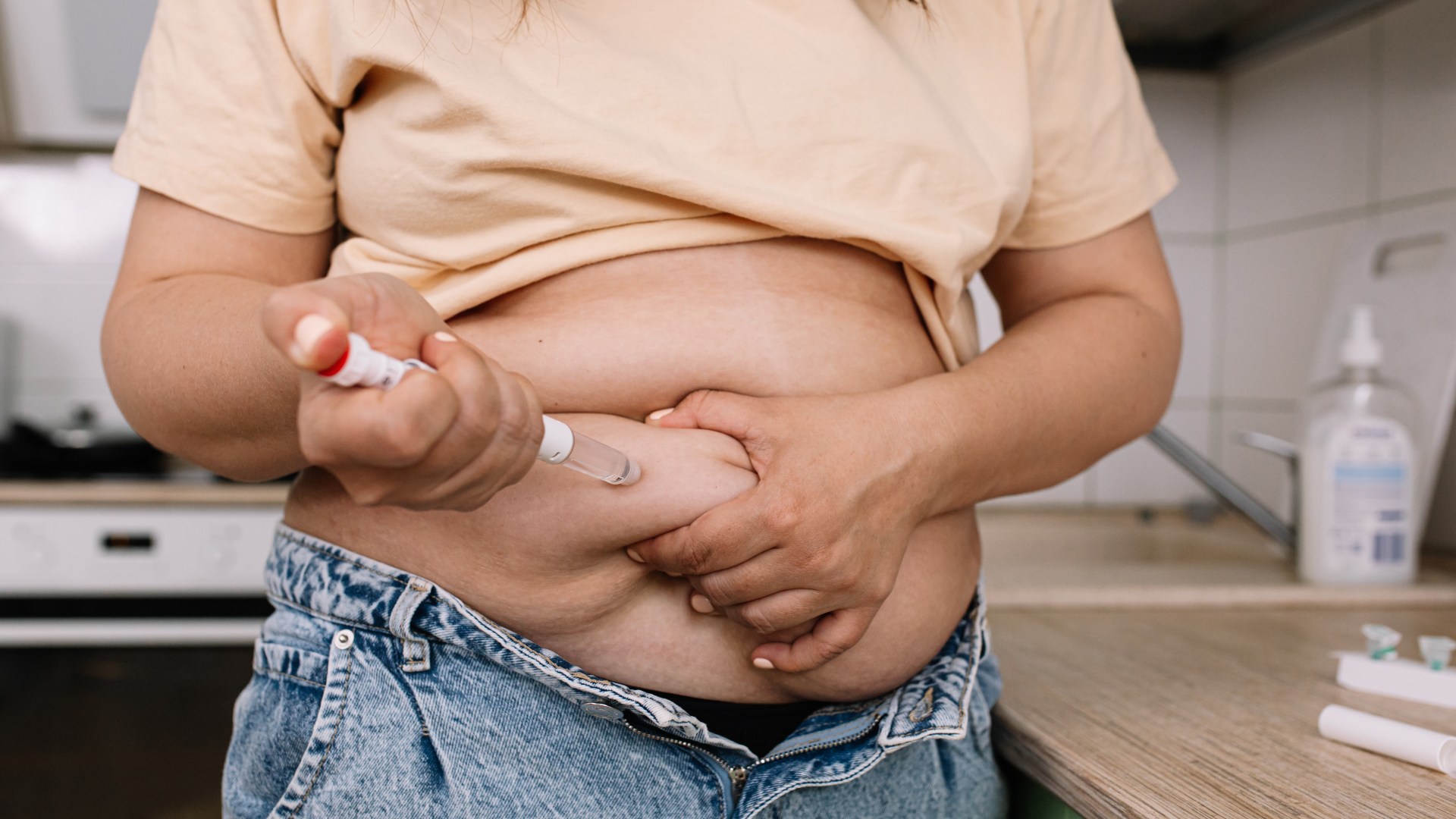
SLIMMERS who use weight loss jabs pile almost two thirds of the flab they lose within a year, research suggests.
Around 1.5million Britons are thought to be on the injections such as Mounjaro and Ozempic.
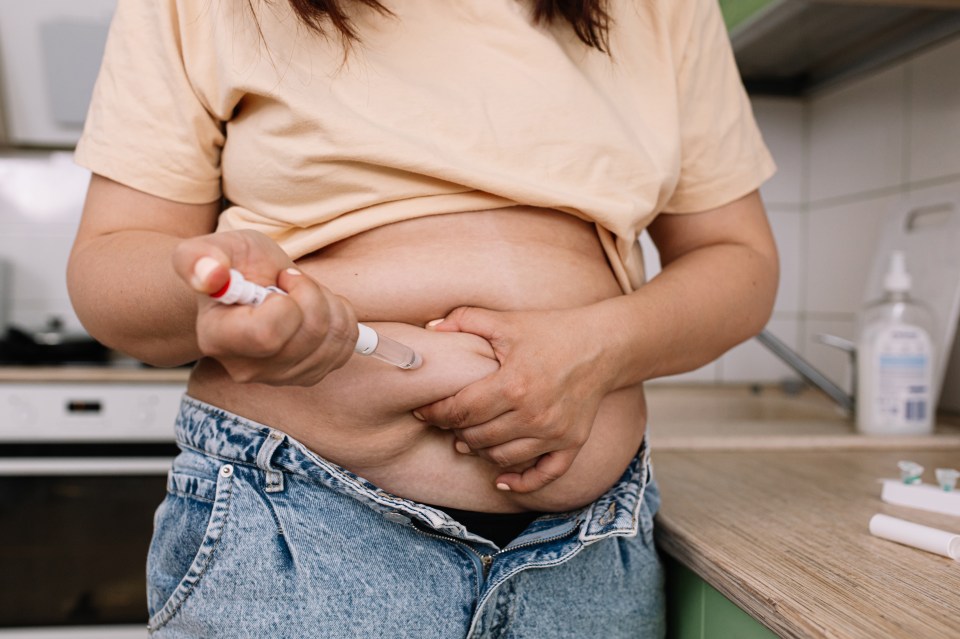
But, research has long suggested that those who come off the jabs abruptly after hitting their target will put on the pounds again.
Now British scientists, who tracked more than 3,200 adults, found that slimmers regained 60 per cent of weight lost within a year of stopping the jabs.
People could even be “worse off than before” they started, if regained weight is fat rather than muscle, they said.
However, weight regain did eventually plateau, with patients still managing to keep a quarter of the jab weight lost off.
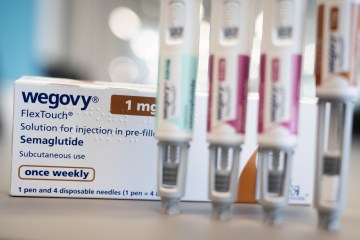
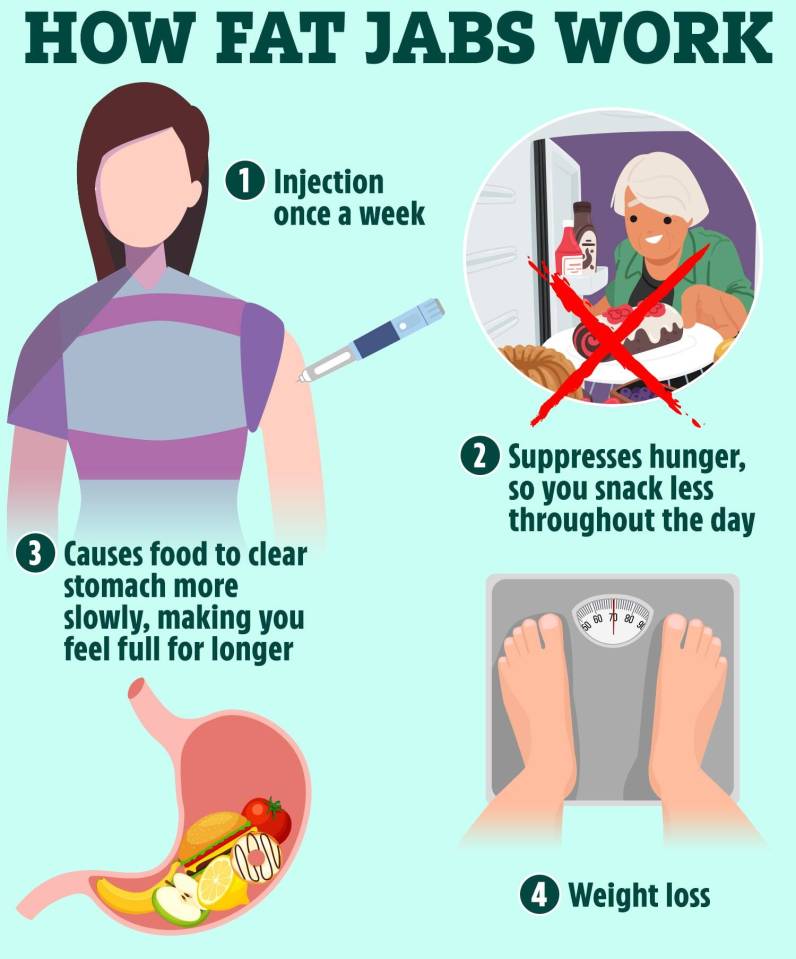
Brajan Budini, a medical student at the University of Cambridge and study co-author, said: “Drugs such as Ozempic and Wegovy act like brakes on our appetite, making us feel full sooner, which means we eat less and therefore lose weight.
“When people stop taking them, they are essentially taking their foot off the brake, and this can lead to rapid weight regain.
“Our projections show that even though people regain most of the weight they have lost, they still maintain some of the weight loss, but what we currently don’t know is if the same proportion of lean mass is recovered.
“If the regained weight is disproportionately fat, individuals may ultimately be worse off than before in their fat-to-lean mass ratio, which may have adverse consequences for their health.”
In the study, researchers assessed the results of six trials involving adults on the jabs, known medically as GLP-1s.
Writing in the journal eClinicalMedicine, they said the findings “indicate that there is significant weight regain following cessation of GLP-1RAs”.
However, by 60 weeks, researchers said the regain started to taper off at 75 per cent of the original weight lost, suggesting 25 per cent may be sustained in the long-term.
Researchers called for future trials to explore the the effect of the jabs on the composition of weight loss during and after treatment.
They added that current prescribing guidelines for GLP-1s “are inconsistent and largely inadequate in addressing the risk of weight regain following treatment cessation”.
Steven Luo, also a medical student at the University of Cambridge and study co-author, added: “When stopping weight loss drugs, doctors and patients should be aware of the potential for weight regain and consider ways to mitigate this risk.
“It’s important that people are given advice on improving their diet and exercise, rather than relying solely on the drugs, as this may help them maintain good habits when they stop taking them.”
Like any medication, the jabs can cause side effects that vary in both frequency and severity.
Reported problems include nausea, constipation, diarrhoea, fatigue, stomach pain, headaches and dizziness.
Weight-related illness costs the economy £74billion a year, with people who are overweight at increased risk of heart disease, cancer and type 2 diabetes.
Two in three Britons are classed as overweight or obese and NHS figures show people now weigh about a stone more than 30 years ago.
How to maintain weight loss
MAINTAINING weight loss involves incorporating healthy habits into a sustainable lifestyle, including regular physical activity, mindful eating, and stress management.
Focus on building lasting changes rather than quick fixes.
Diet and nutrition
- Focus on nutrient-rich foods like fruits, vegetables, lean protein, and whole grains.
- Be mindful of serving sizes and use tools like measuring cups to track your intake.
- Reduce intake of sugary drinks, refined carbohydrates, and unhealthy fats.
- Drink plenty of water throughout the day.
- Aim for three balanced meals per day, with snacks if needed, and avoid skipping meals.
- Pay attention to hunger cues, eat slowly, and avoid distractions while eating.
- Keeping a food journal can help you identify areas where you can make improvements.
Physical activity
- Aim for at least 150 minutes of moderate-intensity aerobic activity per week.
- Strength training helps build and maintain muscle mass, which boosts metabolism.
- Make exercise a sustainable part of your routine by choosing activities you find enjoyable.
- Take the stairs, park further away, and find opportunities to be active throughout the day.
Lifestyle factors
- Aim for seven to nine hours of quality sleep per night.
- Stress can lead to unhealthy eating habits, so find healthy ways to manage stress, like exercise, meditation, or spending time in nature.
- Enlist the help of friends, family, or support groups to stay motivated and accountable.
- Weight maintenance is a journey, not a destination. Be prepared for setbacks and celebrate small victories.
- As your weight and body composition change, your calorie needs may also change, so monitor your progress and adjust your plan as needed.
- This can help you track your progress and identify any potential issues early on.
- If you’re struggling to maintain weight loss, consider consulting a registered dietitian or other healthcare professional.