Taxes are set to hit ‘historic’ levels to help fund record welfare handouts – amid warnings they could be pushed even higher by the war in the Middle East.
Rachel Reeves insisted that Labour’s plans are working, as she delivered her annual spring statement on the economy on Tuesday.
But, in a new analysis, the Office for Budget Responsibility (OBR) warned the tax burden will reach a ‘historical high’ by the end of decade, following a series of punishing tax hikes imposed by the Chancellor.
The economic watchdog said the long-running freeze on tax thresholds will see another one million pensioners on low incomes dragged into the tax system by the end of the decade.
Dennis Reed, of campaign group Silver Voices, urged the Chancellor to lift the freeze, saying it would have ‘an immediate impact on the incomes of millions who are struggling to cope now’.
He added: ‘Although Labour talks a good talk that the cost of living crisis is its top priority, it is using its tax-raising powers to make the situation worse’.
At the same time, Britain’s bloated benefits bill is expected to continue growing after Labour abandoned efforts at reform last year.
The OBR said welfare spending will jump by £18 billion this year alone, with further hikes pencilled in every year. By the end of the decade it is forecast to top £400 billion – an increase of more than £70 billion.
Join the debate
Is it fair to hit pensioners with higher taxes to fund soaring welfare spending?
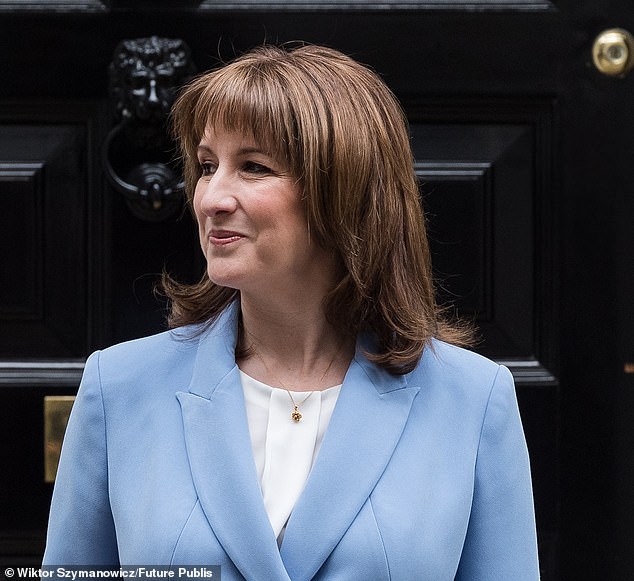
Rachel Reeves (pictured on March 3, 2026) claimed her plans are working despite a cut in growth forecasts
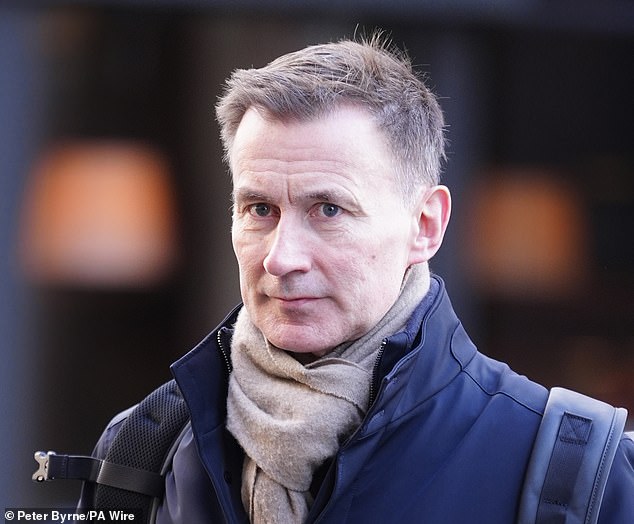
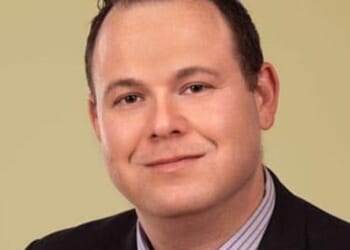
Sir Jeremy Hunt (pictured on January 9, 2025) urged Labour to cut welfare instead of hiking taxes
The fiscal watchdog slashed its growth forecast for this year even before taking account of the damaging impact of the Middle East crisis on inflation and the economy – which it said would be ‘unambiguously bad’.
It now expects gross domestic product (GDP) to increase by just 1.1 per cent this year – down from a previous estimate of 1.4 per cent, and a serious blow to a Chancellor who once asked people to judge her on her record on growth.
Paul Dales, chief UK economist at consultancy Capital Economics, said that while the OBR forecasts on the face of it gave the Chancellor ‘a bit more money to play with’ in the autumn Budget ‘that could be swamped by events in the Middle East’.
He added: ‘The economics could therefore point to more tax hikes.’
Reform’s Treasury spokesman Robert Jenrick said Ms Reeves was ‘like a rogue landlord who keeps squeezing the tenant with higher and higher rents’.
In a low-key update, the Chancellor insisted Labour had ‘restored economic stability’ and was finally getting to grips with inflation, which she said was needed more than ever given the Middle East crisis.
In a warning against a lurch to the Left following last week’s by-election defeat by the Greens, she urged Labour to resist ‘the temptation of easy answers and reckless borrowing’.
But former chancellor Sir Jeremy Hunt said tax levels had already been pushed so high they are damaging the economy.
Sir Jeremy said the £66 billion in tax hikes imposed by Ms Reeves in her first 18 months in office were equivalent to £2,300 per household.
Urging her to target welfare cuts instead, Sir Jeremy told her: ‘If the cost of living is the real concern, is the biggest mistake not to increase taxes by £66 billion, which is the equivalent of nearly £2,300 per household?
‘If that money is needed for public services, nearly all of that—£54 billion, in fact—could be got by reducing the welfare bill to 2019 levels.
‘Is it sustainable to keep raising taxes on people in work in order to pay ever more benefits to people not in work?’
Ms Reeves defended her unprecedented tax raid, saying Labour was ensuring ‘those with the broadest shoulders pay higher taxes’.
But the OBR warned taxes are now so high that Labour risks deterring people from working, saving, investing, and employing people.
The watchdog said Britain’s tax take will rise to a post-war high of 38.5 per cent of gross domestic product (GDP). The figure is up from 36 per cent this year and is fully six points higher than before the pandemic.
And it said that the Chancellor’s £25 billion raid on employers’ national insurance would feed through into lower wage growth this year, putting a further squeeze on the cost of living.
In another gloomy assessment, the OBR forecast that unemployment will rise to 5.3 per cent, equalling the worst highs seen during the pandemic.
The OBR’s David Miles said that ‘worrying’ youth unemployment figures – partly spurred by higher minimum wages that have deterred employers hiring young people – had ‘a little way further to run’.
Ministers are still mulling whether to press ahead with manifesto plans to equalise the minimum wage for the under-21s with the main adult rate amid warnings it will deepen the crisis.
The Institute of Directors, a leading business group, criticised the Chancellor’s spring statement, saying there was ‘still no plan for growth’.
Ms Reeves insisted that Labour had the ‘right plan’ which would eventually bring down both living costs and the government’s ruinous borrowing costs, which are now costing more than £100 billion a year in interest payments alone.
‘My plan is the right one,’ she told MPs. ‘I am in no doubt about how great the rewards can be if we stay the course.’
But shadow chancellor Sir Mel Stride said Ms Reeves was ‘out of her depth and rapidly running out of road’.
Sir Mel highlighted the impact of the stealth tax freeze on thresholds, which the Chancellor extended for another three years at the Budget.
‘She pretended there was nothing to see – and now we know why,’ he said. ‘By freezing tax thresholds, she’s quietly dragging a million extra pensioners into income tax.’
Ms Reeves said last year she will act to ensure that those surviving on just the New State Pension will be exempted when it crosses the £12,570 tax threshold next year. Treasury sources said officials were still working on a plan. However it is not expected to help those with even the most modest private pensions.