DRIVERS with pick-up trucks could take advantage of a little-known loophole ahead of new car tax changes due to start on April 1.
Vehicle Excise Duty (VED), also known as road tax or car tax, is set to push up bills for most motorists, including owners of petrol, diesel and electric motors.
Higher tax bands are set to be introduced from the beginning of next month, with the standard VED rate for cars registered after 2017 increasing from £195 to £200, alongside larger rises elsewhere in the system.
Some of the biggest costs will fall on people buying brand-new, high-emissions petrol and diesel cars – where the annual charge rises from £5,490 to £5,690.
This increase is linked to cars emitting more than 255g/km of CO2, with a range of motors affected including the classy Ferrari Purosangue and specific Porsche Cayenne models.
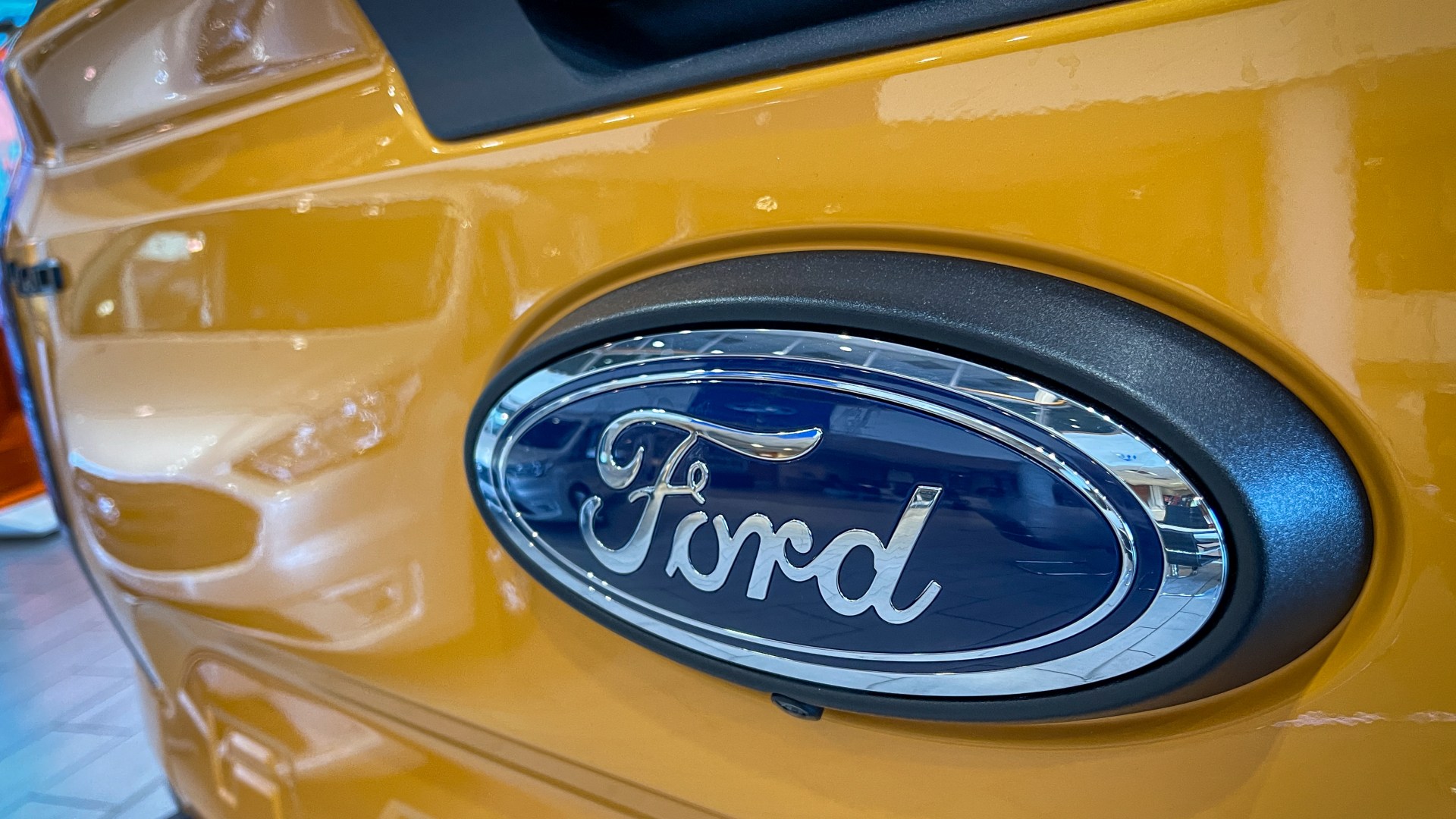
But it’s not just luxury motors either, as even some Ford models are affected – including the Ford Mustang 5.0 V8 and the Ford Ranger 2.0 TD EcoBlue.


The Expensive Car Supplement, also known as the luxury car tax, is also rising, from £420 to £435.
However, according to the Express, Ford has said many of its pick-up trucks are classed as commercial vehicles for tax purposes, falling under the “light goods vehicle” category.
Because of that classification, owners of Ford pick-ups would not pay the Expensive Car Supplement and would not be taxed under the same VED rules described for cars.
Instead, Ford says its pick-up models would be taxed at a flat VED rate of £345 per year under the light goods vehicle system.
GOV.UK guidance states that this light goods vehicle rate applies to motors registered on or after March 1 2001 and also applies to zero-emission vehicles.
TAXING TIMES
From April 2026, the maximum first-year VED charge for the highest-emitting new cars will increase to a hulking £5,690.
A sizeable change already took place in April 2025, when the top “first-year” charge for new petrol and diesel cars rose from £2,745 to £5,490.
This first-year charge is named that way as it’s paid at the point a motor is first registered, meaning buyers have to stump up front as part of taking delivery, before moving onto a much lower standard annual rate in later years.
The first-year VED scale itself runs from as little as £10 at the lowest end up to £5,690 at the top, depending on a car’s official CO2 emissions.
The very top band applies to cars emitting more than 255g/km of CO2, but this threshold now catches a broader set of vehicles than people might assume.
While zero-emission motors qualify for the lowest first-year rate, even extremely small emissions trigger higher charges – with a vehicle emitting as little as 1g/km of CO2 facing a £110 bill.
For typical buyers, this means an average petrol car at around 143g/km would attract roughly £560 in first-year VED, while an average diesel at around 164g/km would be closer to £1,360.
Motorists would ultimately have to factor in these higher upfront taxes alongside other ownership costs such as fuel, insurance and maintenance, which could influence long-term purchasing decisions.
For drivers who already have cars on the road, the ongoing road tax is much lower than the first-year hit, but it is still rising, with the standard annual rate from a vehicle’s second year onwards increasing from £195 to £200 from April.
Even EVs fail to escape the system now, as owners will be required to pay VED as well, and this comes alongside a separate pay-per-mile scheme planned from April 2028.