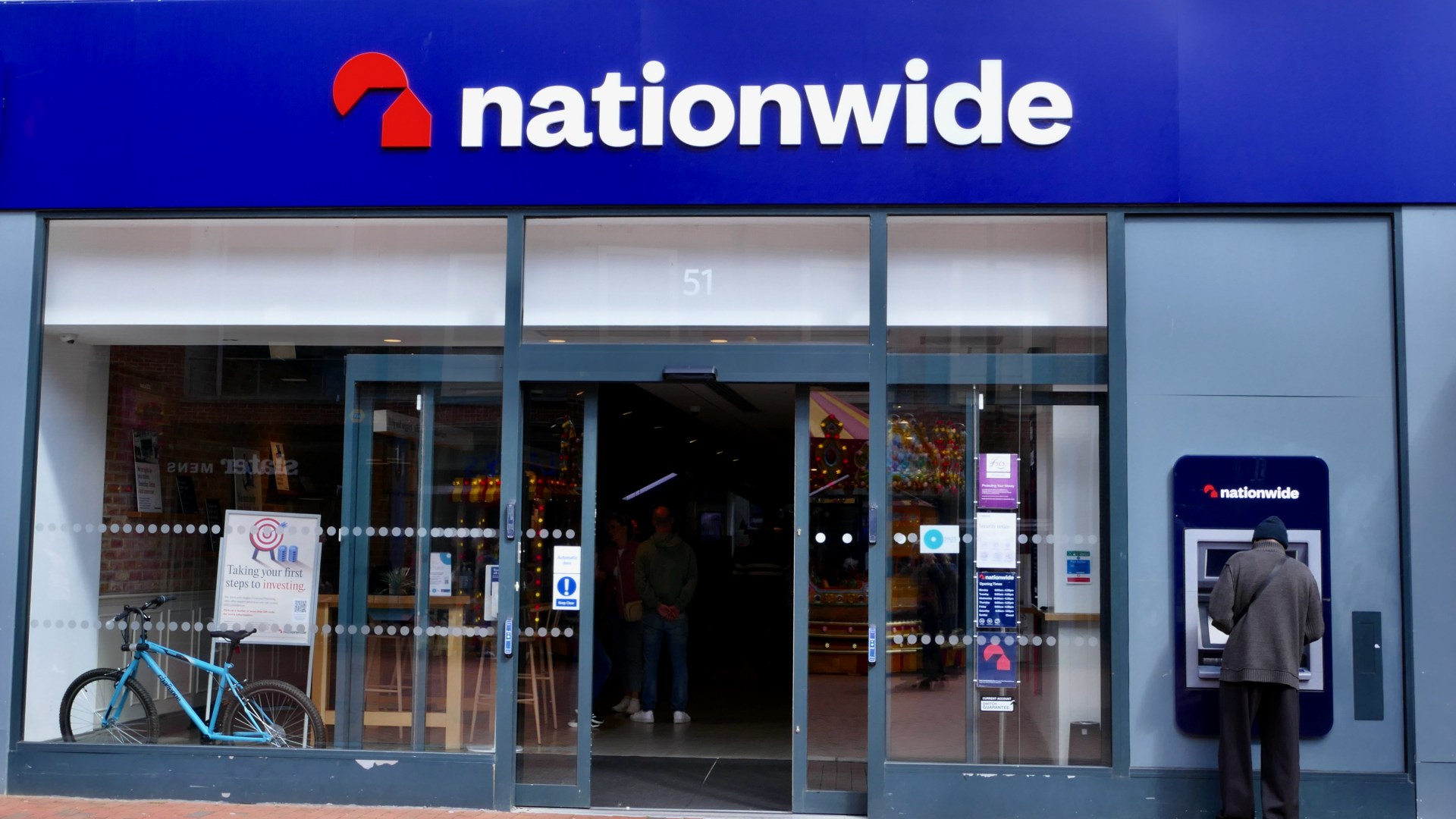
Millions of Nationwide customers will find out in just days whether they will be in line for a free payout from their bank that could be worth hundreds.
The building society is getting ready to announce its fourth successive Fairer Share payment.
In 2023, 2024 and 2025, Nationwide made millions of payments to its customers and is likely to do the same again this year.
However, the bank won’t confirm if the payout is definitely happening until it releases its full-year results on Thursday 21 May.
The previous two Fairer Share payments were confirmed in May and Nationwide made them in June.
Over 4 million Nationwide members received their £100 Fairer Share payment in 2025 and the year before the bank paid out a total of £385million to 3.85million customers.

A Nationwide spokesperson said: “Nationwide’s Board will decide on a Fairer Share payment for 2026 and it will depend on our financial performance.
“That assessment will be made after our financial year end, with the eligibility criteria for this year being agreed then too.
“The decision will be announced as part of our full year results in May.”
Who qualifies for the Fairer Share payment?
Nationwide hasn’t confirmed what the eligibility criteria is for the 2026 Fairer Share payment because it hasn’t confirmed yet whether it is being issued.
However, if the payment is made again this year and the requirements for customers to be eligible are the same as last year, here’s what you need.
You must have one of the following product combinations:
- A qualifying current account and qualifying savings
- A qualifying current account and a qualifying mortgage.
You will need to have used your current account between January and March this year, so if you haven’t yet you still have a few weeks left.
However, you need to make sure your current account is a qualifying one or you could miss out.
Qualifying accounts include FlexPlus, FlexOne. FlexGraduate and FlexBasic. Each account has additional requirements, for example customers with a FlexPlus account need to have paid the monthly fee to keep the account.
FlexOne, FlexStudent or FlexGraduate holders will need to have received at least one payment in or made one payment out of your account during March. Charges and interest payments do not count.
For those expecting to use their savings to qualify they need to have at least £100 in total in one or more personal savings accounts or cash ISAs with Nationwide at the end of any day in March 2025.
A mortgage with Nationwide will qualify if you owe at least £100 on it.
The full eligibility criteria for the 2025 payment can be found via
What about if I’m not a Nationwide customer?
Sorry to say that if you’re not a Nationwide customer, it’s likely too late to switch to the building society to qualify for the £100 payment.
However, even if you’re not switching to Nationwide, it pays to do a spring clean of your bank accounts to make sure you’re getting the most out of them.
Make sure you’re getting a competitive interest rate on your savings account as you could be earning more.
As of last year there was around £230 billion sitting in zero-paying accounts. Although some of this money is in current accounts, a decent chunk will be cash savings that aren’t earning any returns for savers.
You can shop around for the best savings accounts via comparison sites like moneyfactscompare.co.uk or moneysavingexpert.com.
Meanwhile, if you’re with a bank or building society that’s not offering you the best service, you could switch to another and get a switching bonus.
How do I switch bank accounts?
SWITCHING bank accounts is a simple process and can usually be done through the Current Account Switch Service (CASS).
Dozens of high street banks and building societies are signed up – there’s a full list on CASS’ website.
Under the switching service, swapping banks should take seven working days.
You don’t have to remember to move direct debits across when moving, as this is done for you.
All you have to do is apply for the new account you want, and the new bank will tell your existing one you’re moving.
There are a few things you can do before switching though, including choosing your switch date and transferring any old bank statements to your new account.
You should get in touch with your existing bank for any old statements.
When switching current accounts, consider what other perks might come with joining a specific bank or building society.
Some banks offer 0% overdrafts up to a certain limit, and others might offer better rates on savings accounts.
And some banks offer free travel or mobile phone insurance with their current accounts – but these accounts might come with a monthly fee.