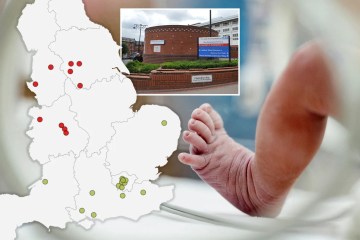
SOME NHS maternity units are resorting to falsifying medical records in order “cover up” harm done to mums and babies, a damning report shows.
Women and families who’d suffered poor care in hospitals repeatedly told investigators trusts were “defensive” and “resistant” to sharing medical notes, which had been “amended or redacted” in some cases.

The testimonies were part of an interim report published by Baroness Valerie Amos as part of her National Maternity and Neonatal Investigation.
So far, it has found deep-rooted issues in NHS maternity care, flagging that the system “is not working for women, babies and families, or for staff”.
Paul Whiteing, the chief executive of patient safety charity Action against Medical Accidents (AvMA), told The Guardian: “The evidence that Baroness Amos has uncovered shows the shocking lengths that some staff are going to, such as hiding or falsifying medical records, in order to cover their tracks.
“This shows the scale of the challenge to improving maternity and neonatal services and care.”
“Sadly, we too often hear similar accounts of secrecy and manipulation of medical records,” he added.
“This, along with other defensive behaviours we see from some hospitals, causes so much additional distress and trauma to a family already struggling with grief, pain or upset.”
Baroness Amos’s team has met more than 400 family members and heard from over 8,000 people, including NHS staff, through a public call for evidence, which closes next month.
Her final recommendations to the NHS in England will be published in the spring.
In her interim report, Baroness Amos said “time and time again” families and staff see the same issues repeated and numerous reviews making recommendations.
“This cycle must stop,” she stated.
She pointed to six factors contributing to pressures on the maternity system, including:
- Staff shortages
- Capacity issues
- Culture and leadership issues
- Racism and discrimination shown to patients
- A lack of accountability when things go wrong
- Poor condition of NHS hospitals and buildings
Baroness Amos said: “We have heard about families being disregarded and not listened to during pregnancy and labour, a lack of kindness and compassion, and reluctance on the part of trusts and professionals to admit mistakes and say sorry when things have gone wrong.”
Maternity and neonatal services are “too often failing to deliver the safe care that women, families and babies expect and deserve, at times with devastating consequences”, she added.
Investigators heard repeatedly “from women and families about a lack of transparency, clear communication and learning when things went wrong”.
They wrote: “We heard from many families about feeling that there had been a ‘cover up’ and defensiveness from NHS trusts, the resistance they faced from trusts when requesting their notes, and instances of medical notes being amended or redacted”.
Baroness Amos described hospitals’ refusal to be transparent, and their withholding or falsification of medical records as “troubling” as it “compounds the harm already suffered through trauma or bereavement”.
The investigation also found:
- Maternity units did not have enough personnel to provide safe care.
- Some women and families waiting hours for medical assessment, review or clinical opinion in day assessment units and triage areas.
- Delays to admissions, progression for induction, and planned Caesarean sections.
- IT issues including incomplete patient records, with patient information and notes frequently stored on multiple systems, creating a patient safety risk.
- Reports from staff about “including verbal aggression, refusal to carry out designated functions such as attending handover rounds or call-outs at night, and sometimes bullying and racist behaviour”.
- Evidence “from a number of families where there was ambiguity regarding whether their baby had been born alive. This ambiguity created distress and long-lasting trauma for families as they struggled to deal with the fact they were given no clear explanation for the death of their baby, precisely because their baby was deemed to be stillborn.”
- “Persistent inequalities within the maternity and neonatal system”, with women from black and Asian backgrounds and those in more deprived areas experiencing worse outcomes.
- Racism and discrimination throughout the system, including “Asian women being stereotyped as ‘princesses’”, Black women “being deemed as having ‘tough skin’ and able to tolerate pain” and Muslim families feeling discriminated against on the basis of their religion.
- Discrimination against disabled women and LGBTQ families.
- Buildings with leaking roofs and inadequate facilities.
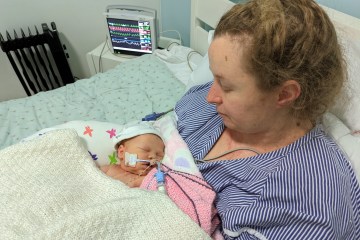
- Poor bereavement care in some trusts, with patients describing how they were taken through a delivery suite with their dead baby, hearing other mothers in labour.
Baroness Amos said of her interim report: “It is clear from the meetings and conversations I have had with hundreds of women, families and staff members across the country, that maternity and neonatal services in England are failing too many women, babies, families and staff.”
The public call for evidence remains open until March 17.
Stories can be submitted online at www.matneoinv.org.uk.
Jodi Newton, head of birth and paediatric negligence at Osbornes Law, which represents several clients, said: “There have been a multitude of similar investigations which have failed to deliver meaningful reform.
“At the same time, families have suffered avoidably poor levels of care, resulting in death and devastating birth injuries.”
Richard Kayser, a medical negligence lawyer at Irwin Mitchell – which represents hundreds of families affected by maternity care failings, said: “Over the past two decades we’ve seen several high-profile investigations and reports – stretching back to Morecambe Bay and Shrewsbury and Telford – make hundreds of recommendations, many of which haven’t been implemented.
“The nation’s maternity services are now at a crossroads in terms of whether the same issues continue to be highlighted or whether decisive action is actually taken to improve care for families in future.”
Layla Moran MP, chair of the Health and Social Care Committee, said: “It is heart-breaking to yet again hear the stories of families failed tragically by the system, but also of healthcare professionals who have faced vitriol for doing their jobs in difficult circumstances.
“The findings in this report are sadly all too familiar, but seeing all the issues outlined side by side underlines the challenge to Government in turning this around at a national and systemic level.
“The committee’s message to ministers is clear: don’t wait to start making changes – especially with the workforce plan imminent. The excuses for any more delay have run out.”
‘WORSE THAN EXPECTED’
In December Baroness Amos published a report of her first impressions after starting the investigation.
She said it was clear that “extremely concerning” numbers of women get poor care and that some hospitals are failing even on “basic care” like keeping wards clean.
Families whose babies die do not get enough kindness or support, the early report added.
The Labour peer said: “I knew that this would be challenging but what I have found so far has been much worse than I anticipated.
“I could not understand why, having read the media reports over the years of the experiences of harmed and bereaved families, so little seemed to have changed.”