This article is taken from the February 2026 issue of The Critic. To get the full magazine why not subscribe? Get five issues for just £25.
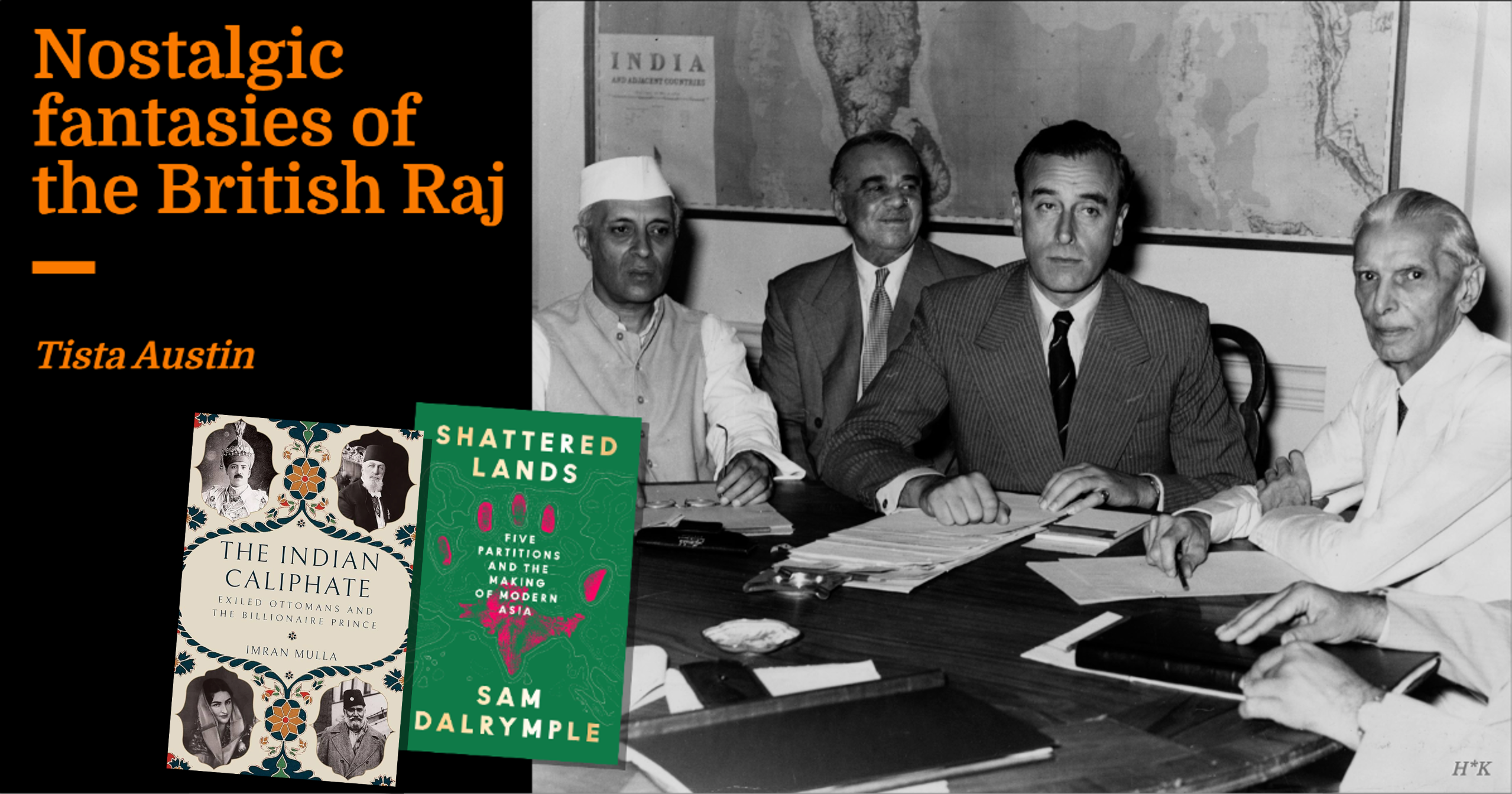
There are many mansions in the house of history but some are built on strange foundations. Two recent publications recounting the twilight of the British Raj fail to keep their grounding in actual history. Following his father’s lucrative trade — though lacking his literary flair — Sam Dalrymple’s overhyped Shattered Lands attempts to reframe modern Asia as a creation of “five partitions”: the separation of Burma and of the Arabian coastal states, the creation of Pakistan, the accession of the Princely States and the independence of Bangladesh. (Inexplicably, the division of Afghanistan along the Durand Line is not included in this story.)
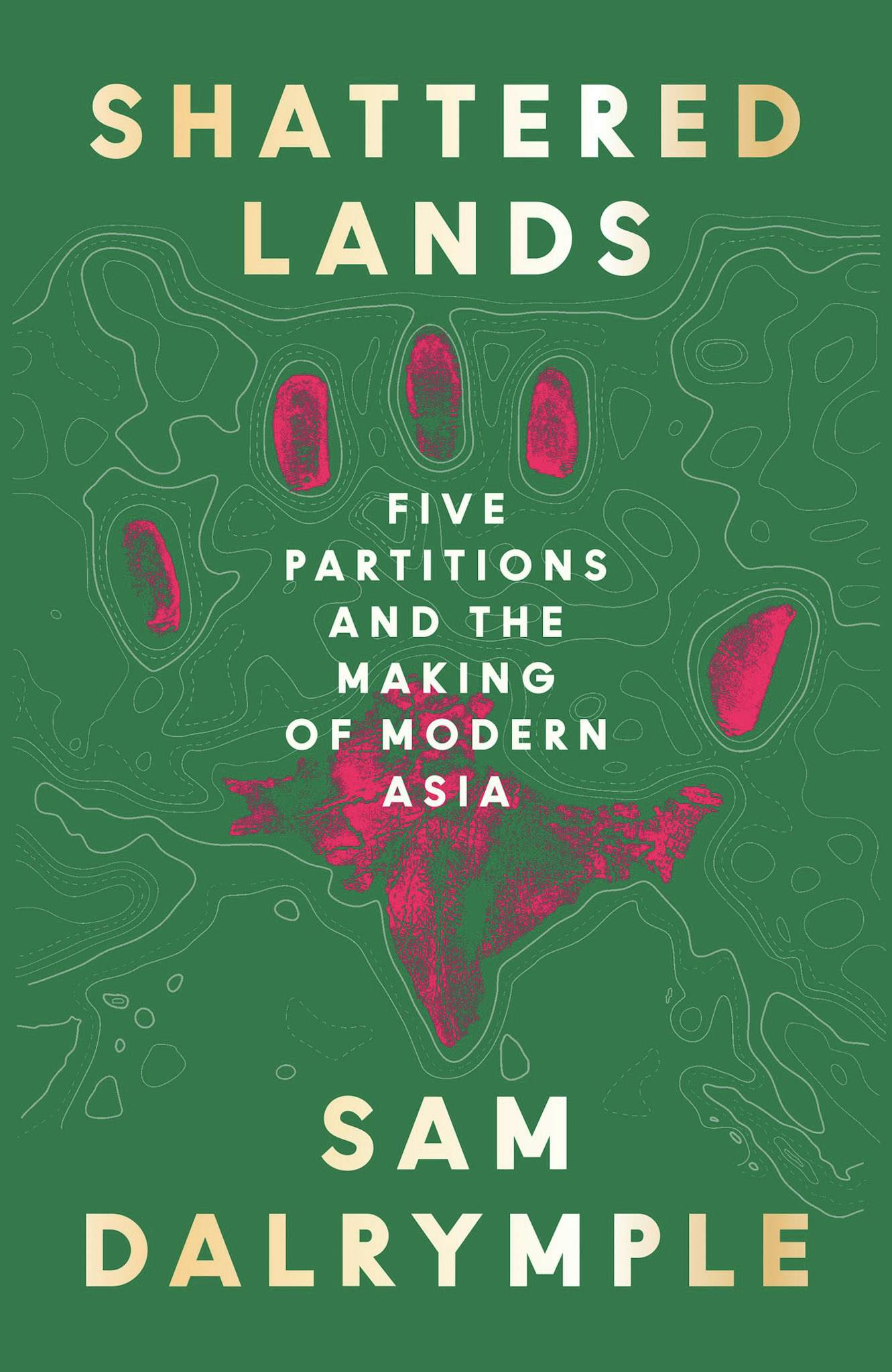
Yet conflating legalistic splinters of territory as different “partitions” distorts and diminishes the scale and bloodshed of the actual Partition in 1947. Although it is hard to believe that “Partition Tourism” can exist, this book emerged from Project Dastaan, the author’s “peace-building” tourist scheme for the displaced to revisit their homelands using virtual reality.
Dalrymple scavenges the works of other writers for a collage of caricatures resembling one of his animated “docudramas”. Sheila Reddy’s racy Mr & Mrs Jinnah (“a masterpiece”) is the source for an emotive portrayal of the interfaith marriage of the Muslim League’s austere leader, whilst the letters of the nationalist poet Sarojini Naidu are magpied for negative views of Gandhi. The sealed files of the last Viceroy Louis Mountbatten are analysed more for sexual gossip than British policy on independence or the war in Kashmir — events that affected millions and continue to reverberate today.
Shattered Lands wobbles with weak writing: for instance, Nathuram Godse (Gandhi’s assassin) is a “Hindu Agatha Christie enthusiast”. The history fares little better: the defection of Indian soldiers (over 20,000) is minimised, whilst naval mutinies are not mentioned. The claim “Nehru likely interfered with Cyril Radcliffe’s line-drawing” is asserted but not justified; Lord Curzon’s 1905 bifurcation of Bengal is ignored.
For Dalrymple, Jinnah’s legacy is “arguably as enduring as Gandhi’s”. He downplays the role of the unscrupulous minister Huseyn Suhrawardy in orchestrating the communal killings in Calcutta in August 1946, which the governor of Bengal likened to scenes from the Somme. Uninterrupted by the British, Suhrawardy manned police controls, leaving the city “naked to the mobs”. The carnage enabled Jinnah to advance his campaign that Muslims and Hindus could not coexist, settling the partition of India along religious lines.
Dalrymple’s account of the Kashmir war meanders through descriptions of saffron crocuses, unhappy maharajas and scout officers seizing control whilst desperate Indians resort to throwing babies in the river. Gilgit actually was a classic coup — by British officers — to secure northern territory for Pakistan.
The Princely state of Hyderabad connects Dalrymple with Imran Mulla’s story of the “failed idea” to restore the Islamic Caliphate after the fall of the Ottoman Empire. Unlike Dalrymple, Mulla studied history; however, his Cambridge education does not save him from writing sentences such as “Back in India, everything was heating up.”
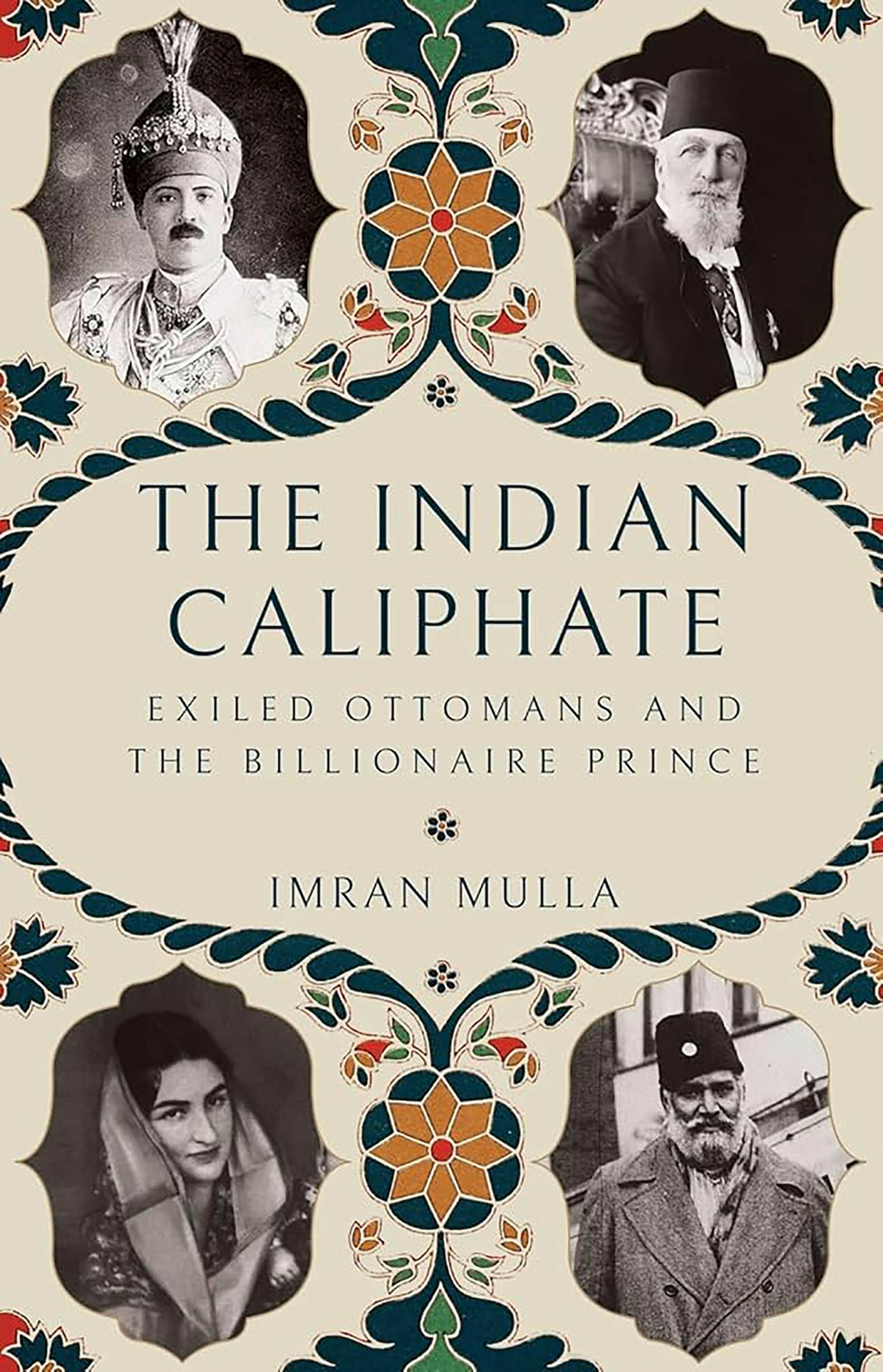
The Indian Caliphate is a breathless tale of vanishing royalty where British Empire-bashing is balanced by Ottoman apologism. The two authors share a fascination for a derelict mausoleum in the Deccan desert — a tomb intended for Abdulmejid II, the cosmopolitan caliph and classical music lover who recited Victor Hugo by heart and painted harem scenes that would have given Edward Said seizures. After Atatürk abolished the Caliphate in 1924, the last caliph was bundled into exile on the Orient Express.
Mulla traces the failed Khilafat Movement against British rule in India as the Ottoman Empire crumbled. He does not examine why the historian Arnold Toynbee (who recorded Turkish atrocities and the Armenian genocide) condemned the Ottomans, and tries to insist that India became the epicentre for Islam. The flaw in this is Hinduism — to which, like Dalrymple, Mulla is averse; neither author considers whether the “nationalistic” idea of Bharat helped India from disintegrating into further partitions.
Unable to afford a piano in exile on the French Riviera, Abdulmejid composed a symphony on a violin. His son developed claustrophobia after being locked in a cupboard to escape British officers, but it was his daughter Princess Durrushehvar who almost changed the course of history. Through a marriage brokered by the Khilafat leader with the son of the Nizam of Hyderabad, her father devised a secret plan to revive the Caliphate. Largest of the Princely states, Hyderabad glowed with the last embers of the Mughal world, despite a majority Hindu population.
The Indian Caliphate is history that never happened. Hyderabad, at the omphalos of the new India, could not be permitted to go her own way, and the Nizam’s request for independence was rejected by Mountbatten. With Hindus in his kingdom favouring succession to India, the Nizam empowered Muslim militia — the Razakars — to uphold Islamic domination. India held off until the death of Jinnah, then annexed Hyderabad in four days. The report of the apocalypse wrought on 200,000 innocent Muslims, victims to their rulers’ arrogance, was suppressed until 2012.
Mulla’s story pivots around a deed of dubious provenance transferring the Caliphal line to the dynasty in Hyderabad. However, the Caliph’s grandson had no power to press his claim, and he ended up a sheep farmer in Australia after Indira Gandhi abolished princely titles. Abdulmejid died of a heart attack when bullets hit his French villa in 1944; his tomb in India lies empty due to Turkey’s veto of a symbolic burial.
Neo-orientalist nostalgia in books such as these scarcely enhances understanding of our relationship with the subcontinent. A more enlightening account of Indian independence has been half-buried for 20 years: The Shadow of the Great Game by Narendra Singh Sarila (himself heir to a tiny Rajput state and aide-de-camp to Mountbatten) explores the pressure America exerted to evolve a post-world order in Asia.
It suggests the creation of Pakistan was a deliberate plan of Britain, using religion as “divide and rule” with Jinnah’s cooperation, to protect Gulf oilfields and defend against Stalin’s Russia.
The imminent breakdown of empire, leading to governance failures such as the famine raging in Bengal in 1943, impelled the Viceroy Lord Wavell to plan for partition, retaining a military base in the north-west. The maps Wavell drew up in February 1946 were almost identical to those of Radcliffe in 1947. Under the guise of swift departure, Attlee’s government continued the facade of supporting Indian unity.
Instead of concocting narratives of fantasy, it would be more constructive if Oxbridge graduates in possession of valuable publishing contracts investigated the actual evidence of history and its repercussions.