ALMOST a third of women skip life-saving smear tests – often through fear or embarrassment.
But millions of lives could be saved with a simple at-home test instead, according to new research.
Scientists found that a sanitary pad topped with a blood sample strip could be just as effective at detecting if women are at higher risk of cervical cancer as an intimate probe.
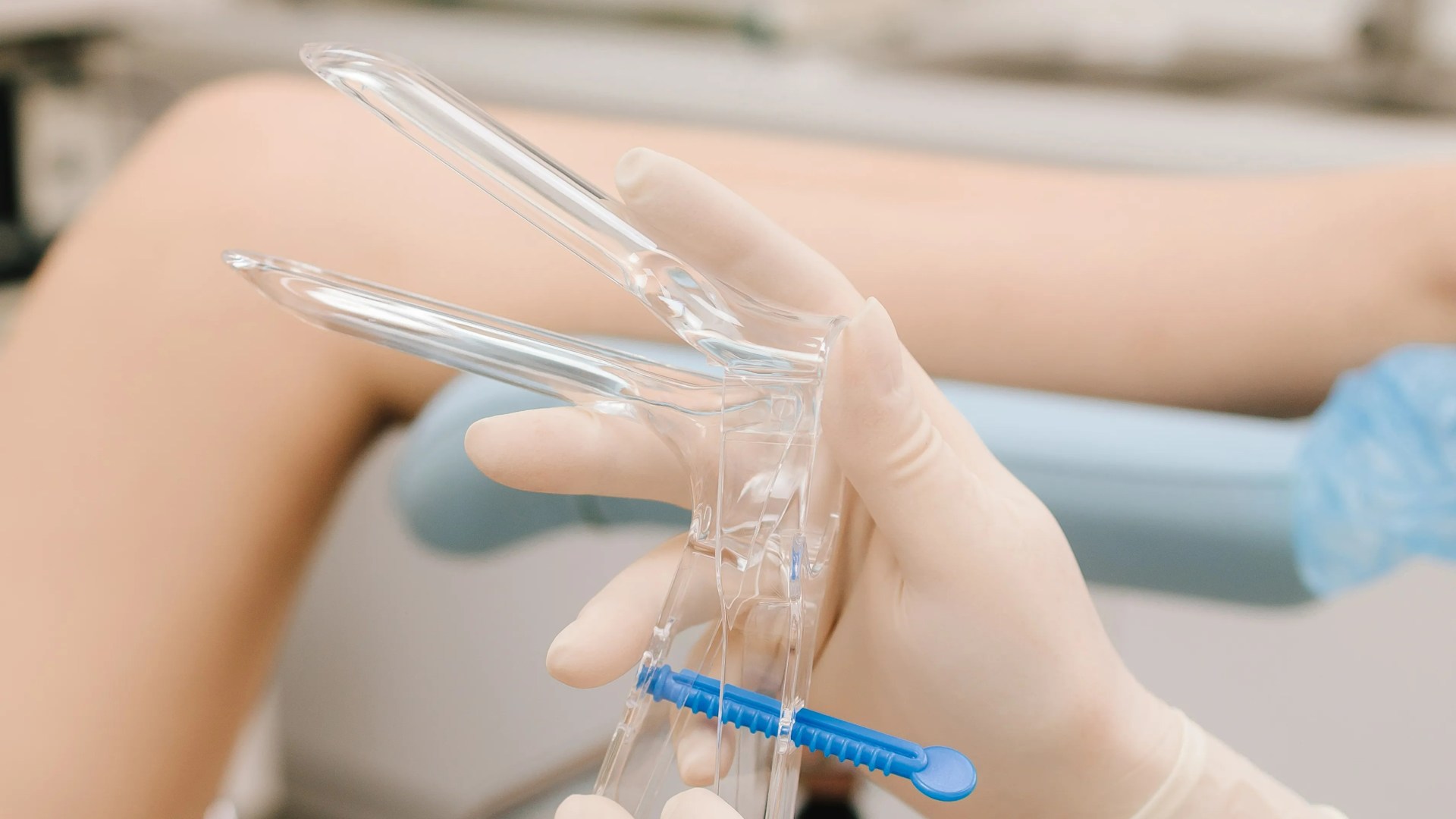
Smear tests, also known as cervical screenings or pap smears, are carried out on women to check for human papillomavirus (HPV) and abnormal cells before they develop into cancer.
Currently, most people have the test done by a healthcare professional, who collects a sample using a small brush inserted into the vagina.
But the procedure can be uncomfortable or embarrassing for some, putting many off attending their appointments altogether.
Read more on cancer tests
Experts believe the breakthrough could encourage more women to take up the offer of the tests, which can be lifesaving.
Sophie Brooks, health information manager at Cancer Research UK, said: “It’s encouraging to see research exploring new ways to make cervical screening more accessible.
“Testing menstrual blood for HPV is an interesting, non-invasive approach, and could potentially offer another option in the future.
“Cervical screening saves lives by helping to prevent cervical cancer from developing in the first place.”
In the study, researchers in China assessed 3,068 women aged 20 to 54 who had regular menstrual cycles.
They compared the accuracy of checking menstrual blood versus samples collected by a clinician, for detecting cervical cell abnormalities (CIN2 and CIN3), which can require treatment.
Each woman provided three samples for testing: a menstrual blood sample collected using a sanitary pad and strip, a cervical sample collected by a clinician, and an additional sample collected by a health worker for processing in the lab.
They then assessed the sensitivity of the test, which indicates how well it picks up people who have a disease, as well as specificity, which picks up people without the disease.
Writing in the British Medical Journal (BMJ), they found that the pad-collected samples showed a sensitivity of 94.7 per cent for detecting CIN2.
By comparison, clinician-collected samples logged a sensitivity of 92.1 per cent.
The probability that a person with a negative test result truly did not have the disease was also identical for both collection methods, scientists said.
Referrals for further tests were also comparable.
The scientists said: “The results of this large scale community-based study show the utility of using minipad collected menstrual blood for HPV testing as a standardised, non-invasive alternative or replacement for cervical cancer screening.”
They added: “The findings of this study support the integration of menstrual blood-based HPV testing into national cervical cancer screening guidelines.”
Don’t beat around the bush
YOU’D probably choose a trip to the dentist over your next cervical screening, right?
Research by the Lady Garden Foundation shows almost half (46 per cent) of women aged 30 to 45 say they have intentionally put it off.
But those awkward three minutes every three years could be the ones that save your life.
Experts say 99.8 per cent of cervical cancer cases in the UK are preventable.
And despite being most common in women aged 30 to 35 and being the most common cancer in women under 35, these younger age groups are the least likely to take up their smears.
Testing is offered to all women and people with a cervix aged 25 to 64.
It’s not a test for cancer, but it helps to prevent cancer.
You will get a letter in the post inviting you to make an appointment, usually at your GP surgery.
- Women under 25 are invited up to six months before they turn 25.
- Those aged 25 to 49 are invited every three years, women 50 to 64 are invited every five years.
- Anyone 65 or older is only invited if a recent test was abnormal.
During the appointment, a small sample of cells will be taken from your cervix.
The sample is checked for certain types of human papillomavirus (HPV) that can cause changes to the cells of your cervix.
If these types of HPV are not found, you do not need any further tests.
If these types of HPV are found, the sample is checked for any changes in the cells of your cervix.
These can be treated before they get a chance to turn into cervical cancer.
The nurse or doctor will tell you when you can expect your results letter.
But experts cautioned further research was still vital.
Ms Brooks said: “It’s still very early days, and we need more research with larger and more diverse groups to understand how well it works for different people, and whether it could fit into existing screening pathways.
“Cancer Research UK encourages people to read their invite carefully and consider taking part.”
Athena Lamnisos, chief executive of the Eve Appeal, said that existing cervical screening “can be difficult for some women for many reasons, like if they have had a bad previous experience, they are menopausal, they have a physical or learning disability, cultural barriers, or are a survivor of sexual violence”.
“It’s exciting to see new, more acceptable and potentially gentler ways of offering what could be a life-saving test to prevent cervical cancer from developing.”
However, she added: “The ability to test for HPV in menstrual blood isn’t the answer for everyone though – people are eligible for screening until 64 and many will be menopausal.”
Xavier Bosch, emeritus researcher at the Catalan Institute of Oncology (ICO), also thought the introduction of a new test could make the cervical screening process more confusing.
“My first impression is that this is an area where we already have good tests and that collecting menstrual blood may add more confusion than benefit,” he said.
HPV vaccine rates down
One of the most effective ways to prevent cervical cancer is by getting the HPV vaccine, which students are offered in Year 10.
The jab also protects from other HPV related cancers, such as head and neck cancer, and genital cancer.
The latest UK Health Security Agency (UKHSA) data suggests one in four UK students left high school in 2024/25 without the protection.
The report found that year 10 students in England had an HPV uptake of 75.5 per cent for girls and 70.5 per cent for boys, well below the pre-pandemic rates of around 90 per cent.
Through the ‘National Cancer Plan’, the government will expand access to catch-up vaccinations in 2026, including through community pharmacies, to make it easier for those who missed out to get protected.
This is part of the NHS 10-year health plan to eliminate cervical cancer by 2040.
Health minister Stephen Kinnock said: “Every child deserves protection against cancers caused by HPV, and it’s concerning that too many young people are leaving school without this vital vaccine.
“I’d urge any parent whose child has missed their HPV vaccine not to wait – speak to your GP or local NHS service today.”
While the HPV vaccine provides excellent protection, attending cervical screening appointments remains crucial, even if you have been vaccinated.
Up to 3,300 are diagnosed with cervical cancer in the UK each year and 850 die from it – including Big Brother star Jade Goody.
How to protect yourself against cervical cancer
CERVICAL cancer is most commonly diagnosed in women in their early 30s, with around 3,200 new cases and 850 deaths each year in the UK.
According to CRUK, the five-year survival rate is around 70 per cent – and the earlier it is caught, the better.
Cervical screening programmes and HPV vaccines have reduced rates and save 4,000 lives each year.
It is vital you attend your smear test and get jabbed when invited, and that you know the symptoms of cervical cancer to look out for.
These aren’t always obvious, and they may not become noticeable until the cancer has reached an advanced stage.
But you might notice:
- Unusual bleeding (often after sex, between periods, or after the menopause)
- Pain and discomfort during sex
- Vaginal discharge (often unpleasant smelling)
- Pain in your lower back, between your hip bones or in your lower tummy
Women are invited to have regular cervical screenings between the ages of 25 and 64. How often depends on your age.
The HPV vaccine, which helps protect against the virus, is recommended for children aged 12 to 13 and people at higher risk from HPV.
Source: NHS and Cancer Research UK