Asda has lost its title as Britain’s cheapest supermarket for a big shop for the first time in over a year as Tesco moved into the lead, a study revealed today.
A basket of 228 items at Tesco with a Clubcard was £588.96 last month – which was £1.45 cheaper than Asda’s total of £590.41, according to consumer group Which?
This is the first time Asda has been knocked off the top spot since December 2024.
But while Asda’s prices were available to all shoppers, the monthly price analysis found Tesco’s shop without its loyalty scheme card was £52.13 more at £641.09.
Sainsbury’s was £603.55 with a Nectar card and £659.85 without; Morrisons was £612.88 with More Card and £613.74 without; and Ocado was £634.68.
Waitrose was the most expensive on average, with the shop costing £679.20. This was a difference of £90.24 compared to Tesco with a Clubcard – 15 per cent more.
The consume organisation’s monthly analysis involves comparing the average price of a shop consisting of popular groceries at eight of the UK’s biggest supermarkets.
Aldi and Lidl are not included in the comparison of 228 items because the German discounters have a smaller range of products compared to the other supermarkets.
But when comparing a smaller basket of 89 items, Aldi retained its crown as cheapest supermarket – with those products costing an average of £164.74 across the month.
Lidl was £1.79 more expensive than Aldi for the 89 items without a loyalty discount, or £1.59 more with the Lidl Plus app – at £166.53 and £166.33 respectively.
Tesco was £182.92 for the smaller shop with Clubcard or £186.92 without; while Asda was £183.04; Morrisons was £187.65; Sainsbury’s was £189.24 with Nectar or £194.58 without; and Ocado was £207.12.
Waitrose was again the most expensive, totalling £221.53 on average which is £56.79 or 34 per cent above the total at Aldi.
While the exact products on the lists are kept secret, Which? says they include both branded and own-brand items.
These include Birds Eye peas, Hovis bread, Cathedral City cheddar cheese and Hellmann’s mayonnaise as well as own-brand milk, butter, potatoes and baked beans.
The analysis includes special offer prices and loyalty prices, but not multibuys.
Which? retail editor Reena Sewraz said: ‘While Aldi is the cheapest supermarket this month, the ongoing price competition among the discounters means Lidl also remains a strong money-saving choice for many shoppers, according to our latest price analysis.
‘For those who prefer a wider range of branded products, shopping at Tesco with a Clubcard can offer good value.
‘However, it’s worth noting that Tesco’s loyalty-linked discounts aren’t accessible to everyone. Tesco must do more to ensure under-18s and other groups who may not be eligible for the Clubcard don’t miss out on those savings.
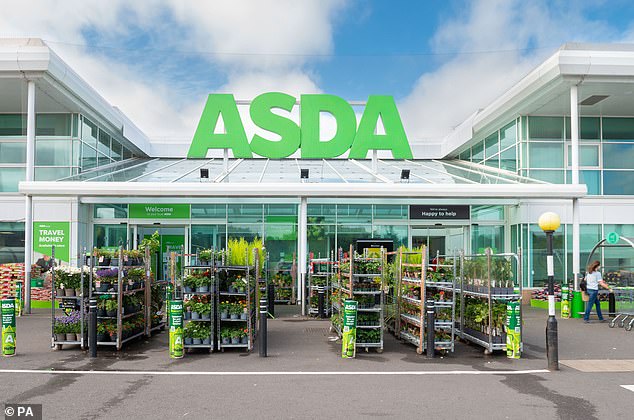
Asda lost its title as cheapest ‘big shop’ supermarket for the first time since December 2024
‘With food bills still a major concern for many households, it really does pay to shop around – choosing one supermarket over another could save shoppers hundreds of pounds over the course of a year.’
Which? compares how much supermarkets charge for a selection of groceries each month. For January, it compared 89 items that were available across all eight supermarkets.
The data is based on availability across supermarkets each month, taken from its longer list of just over 200 items of some of the UK’s most popular groceries.
The list of 200 generally remains unchanged from month to month, other than being occasionally changed to reflect consumer shopping habits – as it was last month.
But Which? never shares the full list of products with retailers because it wants to avoid any attempt to skew the results.
For each supermarket, Which? uses an independent price comparison website to work out the average price of each item across the month, then adds those up to get each store’s average price.
Which? added that it looked at loyalty pricing for Lidl, Tesco, Sainsbury’s, Morrisons and Waitrose, but none of the items on its shopping list had a loyalty price at Waitrose.
Asda’s Rewards scheme offers cashback on products with loyalty promotions, but Which? did not factor this in because loyalty members do not receive a discount on the day and the cashback is only redeemable at Asda, within a limited period.
Because there are restrictions on who can access loyalty prices, Which? said it would only award a cheapest supermarket endorsement to the retailer with the lowest prices that are available to all consumers.
The Daily Mail contacted all the named supermarkets for comment.
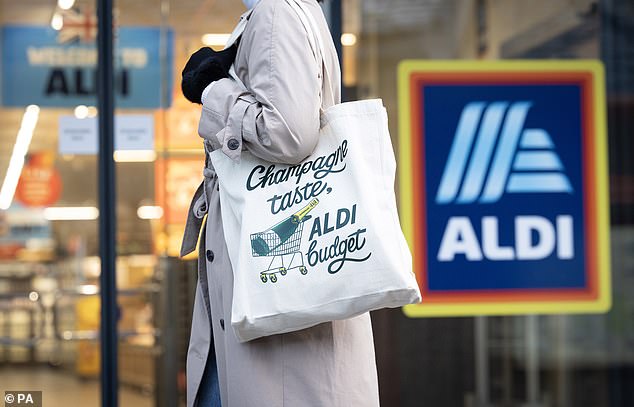
Aldi retained its crown as cheapest supermarket when comparing a smaller basket of 89 items
An Asda spokesperson said: ‘Asda was the lowest‑priced supermarket every month in 2025 on the Which? big trolley comparison, and £50 cheaper in January on a like‑for‑like basket without loyalty pricing.
‘Asda remains the best‑value supermarket for the big family shop with prices available to all.’
A spokesperson for Tesco said: ‘We’re committed to delivering great value to all Tesco customers however they choose to shop with us.
‘Our unique combination of Aldi Price Match, Clubcard Prices and Everyday Low Prices ensures we offer consistent value across our stores and online grocery service.’
A Waitrose spokesperson added: ‘Great value is about more than just price, and we take pride in offering exceptional products with award-winning customer service.
‘On top of this, our customers know that our products are sourced with care; our market-leading animal welfare standards include 100 per cent of our chicken meeting Better Chicken Commitment standards or higher, and a commitment to 100 per cent free range pork by 2027.’
And a Morrisons spokesperson said: ‘At Morrisons, we remain committed to offering our customers great quality products at affordable prices.
‘Our More Card members can also earn points on every purchase and redeem those points for fivers off their shopping. They also benefit from market-leading discounts as well as personalised offers and surprises.’
Other data yesterday from market research firm Worldpanel by Numerator found grocery price inflation eased back to 4 per cent last month, its lowest level since April 2025.
The fall from December’s 4.3 per cent in came as spending on supermarket own label goods accounted for 52.2 per cent in of grocery sales, the highest level recorded.
Spending on items on promotion rose by 10.9 per cent year on year, marking the fastest rate of growth since October 2024, while sales of full-price products rose by just 1.7 per cent compared to the same four weeks last year.