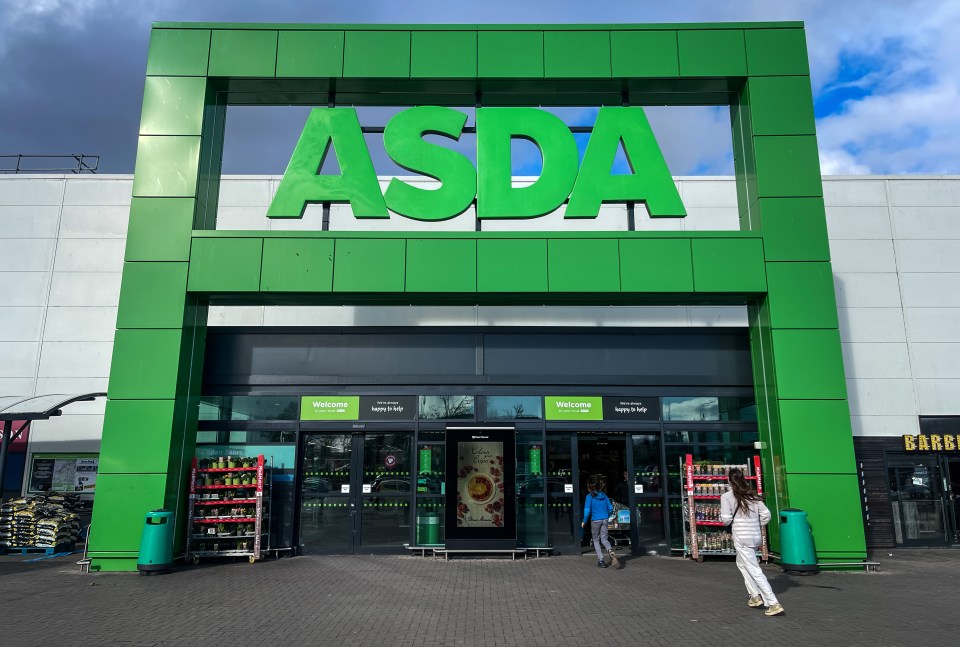
THE cheapest supermarket for a weekly shop has been revealed as Asda has been knocked off the top spot after 14 months.
Consumer champion Which? compared the price of a bigger 228 item shop at the UK’s biggest supermarkets in January,
Aldi and Lidl are not included in this comparison as they have a smaller range of products compared to the other supermarkets.
Tesco with a Clubcard was cheaper than Asda, earning its place as one of the UK’s cheapest supermarkets for the first time since December 2024.
The longer list at Tesco cost £588.96 for shoppers with a Clubcard, making it cheaper than ASDA by £1.45 (£590.41).
It is worth noting however that while Asda’s prices are available to all shoppers, a Tesco shopper without a free Clubcard would pay £641.09.


At Sainsbury’s, the same shop would have cost £603.55 and at Morrisons it would have cost £612.80.
Waitrose was the most expensive on average, with the bigger shop costing £679.20 – a difference of £90.24 compared to Tesco with a Clubcard.
Meanwhile on a smaller scale, the cheapest supermarket for a shopping list of 89 items in January was Aldi, where the groceries cost £164.74 on average across the month.
Lidl was £1.79 more expensive than its fellow discounter this month, or 20p less than that with a loyalty membership, Lidl Plus.
At Tesco, the same shop cost £182.92 and at Asda it will have set you back £183.04.
Reena Sewraz, Which? Retail Editor, said: “With food bills still a major concern for many households, it really does pay to shop around – choosing one supermarket over another could save shoppers hundreds of pounds over the course of a year.”
How to save money on your food shop

Consumer reporter Sam Walker reveals how you can save hundreds of pounds a year:
Odd boxes – plenty of retailers offer slightly misshapen fruit and veg or surplus food at a discounted price.
Lidl sells five kilos of fruit and veg for just £1.50 through its Waste Not scheme while Aldi shoppers can get Too Good to Go bags which contain £10 worth of all kinds of products for £3.30.
Sainsbury’s also sells £2 “Taste Me, Don’t Waste Me” fruit and veg boxes to help shoppers reduced food waste and save cash.
Food waste apps – food waste apps work by helping shops, cafes, restaurants and other businesses shift stock that is due to go out of date and passing it on to members of the public.
Some of the most notable ones include Too Good to Go and Olio.
Too Good to Go’s app is free to sign up to and is used by millions of people across the UK, letting users buy food at a discount.
Olio works similarly, except users can collect both food and other household items for free from neighbours and businesses.
Yellow sticker bargains – yellow sticker bargains, sometimes orange and red in certain supermarkets, are a great way of getting food on the cheap.
But what time to head out to get the best deals varies depending on the retailer. You can see the best times for each supermarket here.
Super cheap bargains – sign up to bargain hunter Facebook groups like Extreme Couponing and Bargains UK where shoppers regularly post hauls they’ve found on the cheap, including food finds.
“Downshift” – you will almost always save money going for a supermarket’s own-brand economy lines rather than premium brands.
The move to lower-tier ranges, also known as “downshifting” and hailed by consumer expert Martin Lewis, could save you hundreds of pounds a year on your food shop.