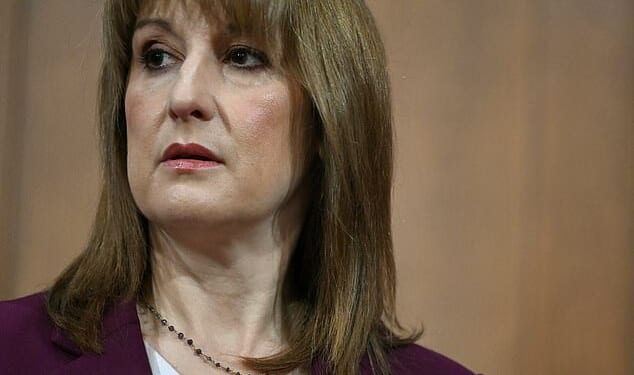
Lord Mandelson has described Jeffrey Epstein as a ‘master manipulator’ as he battles to contain the fallout from newly released files linking him to the disgraced financier.
The 72-year-old Labour peer says he was suddenly thrust into a ‘life-changing crisis’ when historic emails resurfaced, forcing him out of his role as Ambassador to the US within days.
‘It was like a 5.30am drive-by shooting,’ Mandelson said of the moment the controversy erupted.
The former cabinet minister is now facing calls for police involvement and a Cabinet Office investigation after millions of files released by the US Department of Justice appeared to show him sharing sensitive government information with Epstein and advising him on how to lobby ministers.
The documents include emails apparently forwarded by Lord Mandelson in 2009 containing discussions between senior Downing Street aides and ministers about the UK’s response to the Credit Crunch and which government assets might be ‘saleable’.
Former prime minister Gordon Brown has demanded a Cabinet Office probe into what he called the ‘wholly unacceptable’ disclosure of details relating to his government’s handling of the financial crisis.
Reflecting on his association with Epstein, Mandelson says he now deeply regrets continuing any contact after the financier’s 2008 conviction.
‘He was a master manipulator. I can see that now. But the point is that his victims certainly did know what he was doing,’ he told the Times, adding that he only fully grasped the extent of Epstein’s crimes after his death in 2019 and has apologised to the women and girls who suffered.
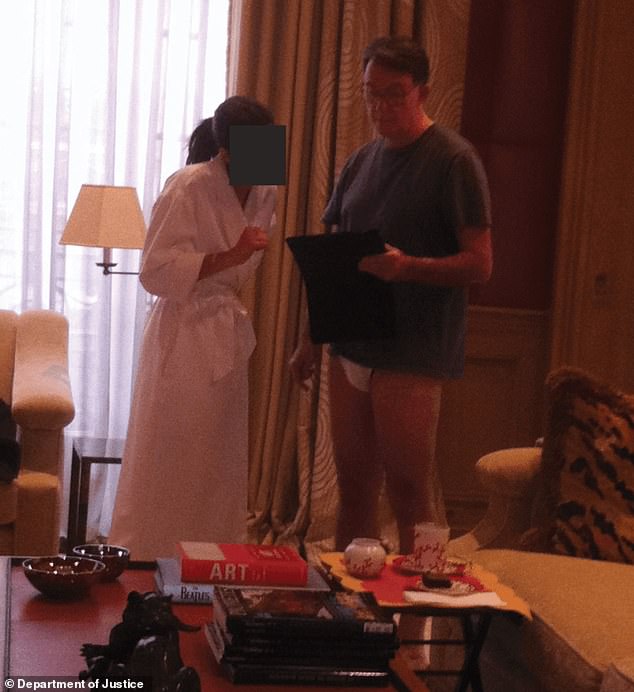
A photograph released as part of the Epstein files apparently shows Lord Mandelson talking to a woman who is wearing a white bath robe
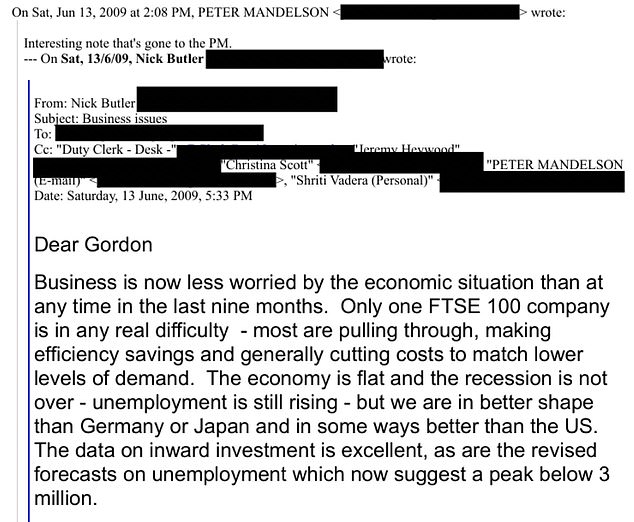
The tranche of documents includes an email seemingly from Lord Mandelson to Epstein, talking about the UK government having ‘saleable’ assets
Other documents appear to show Lord Mandelson, who was business secretary at the time, advising Epstein on how he and his powerful contacts could lobby against a bankers’ bonus tax introduced in December 2009.
In one apparent exchange, Epstein asked whether the levy could be limited to the cash portion of bonuses, with a reply suggesting Lord Mandelson was ‘trying hard’ to amend the policy.
Further material appears to show Lord Mandelson giving Epstein advance notice of a €500 billion eurozone bailout in May 2010, after Labour lost the general election but before the Coalition government took office.
Despite this Mandelson says Epstein only offered guidance as he moved from politics into the world of commerce and finance, but added that he was naïve to see him as acting in good faith.
‘I’ve had a lot of bad luck, no doubt some of it of my own making,’ he said.
The files also include what appear to be bank records from 2003 and 2004 suggesting Epstein transferred tens of thousands of pounds to accounts linked to Lord Mandelson.
He has said he believes the documents are fake and insists he has no recollection of receiving any money.
Lord Mandelson resigned from the Labour Party at the weekend, saying he wanted to avoid ‘further embarrassment’.
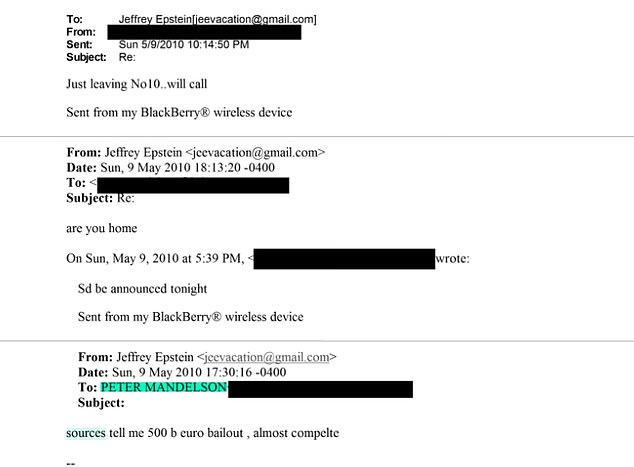
On May 10, 2010 Lord Mandelson seemingly messaged Epstein about the EU’s plan for a 500billion euro bailout of the single currency
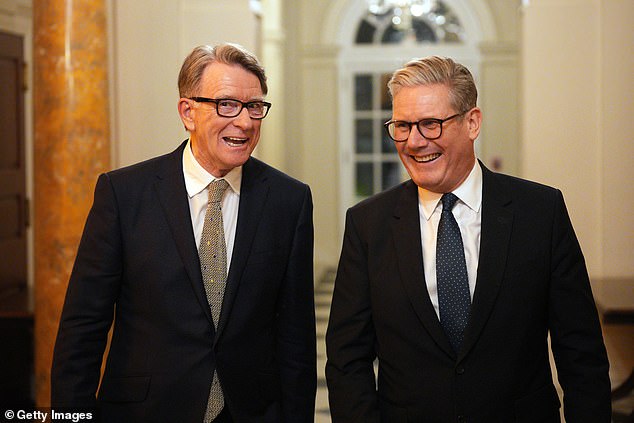
The PM was forced to sack Lord Mandelson from the key role of US ambassador last year after more revelations about Epstein
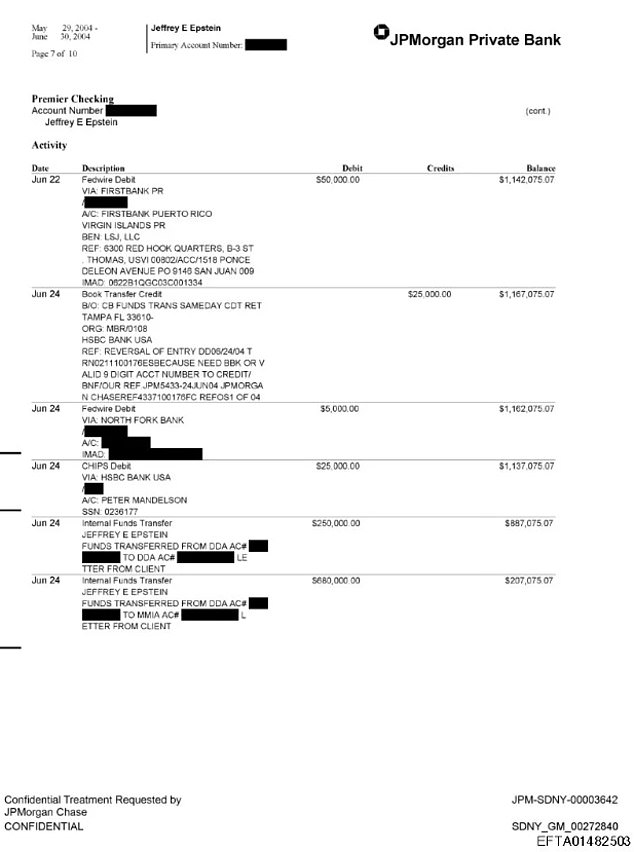
The released documents include an Epstein bank statement with a $25,000 transfer to Peter Mandelson – although the peer says he cannot remember receiving the money and believes it is fake
Labour said disciplinary action had already been under way. Sir Keir Starmer has said Lord Mandelson should not be a member of the House of Lords and has asked the cabinet secretary to urgently review his emails with Epstein.
Mandelson disputes several of the claims. He accepts that his husband, Reinaldo, received money from Epstein to fund an osteopathy course, saying it was presented as educational support from a charitable foundation.
But he insists there was no wrongdoing and no attempt to influence him, stressing that his husband is not accused of any offence.
He also firmly rejects suggestions that Epstein’s views were given special consideration while banking reforms were being debated, arguing that ministers were being lobbied relentlessly by the entire financial sector at the time.