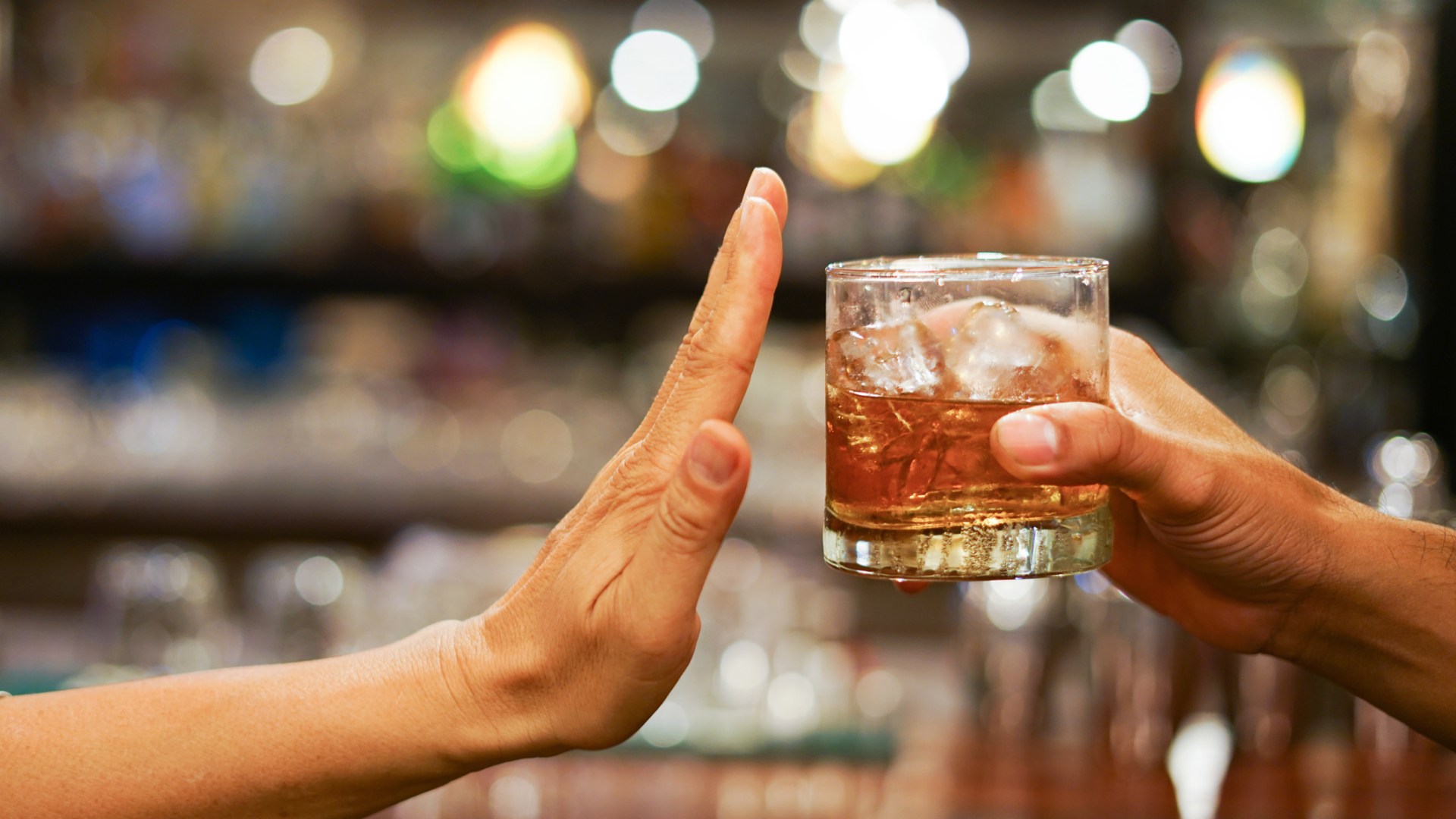
Swathes of Brits abstain from boozing in January, but once February 1 hits, they often get back to the pub as if it never happened, making for what some people call a “wet February”.
Although a month off alcohol is a great circuit-breaker, most teetotal people agree it takes longer to feel the benefits.
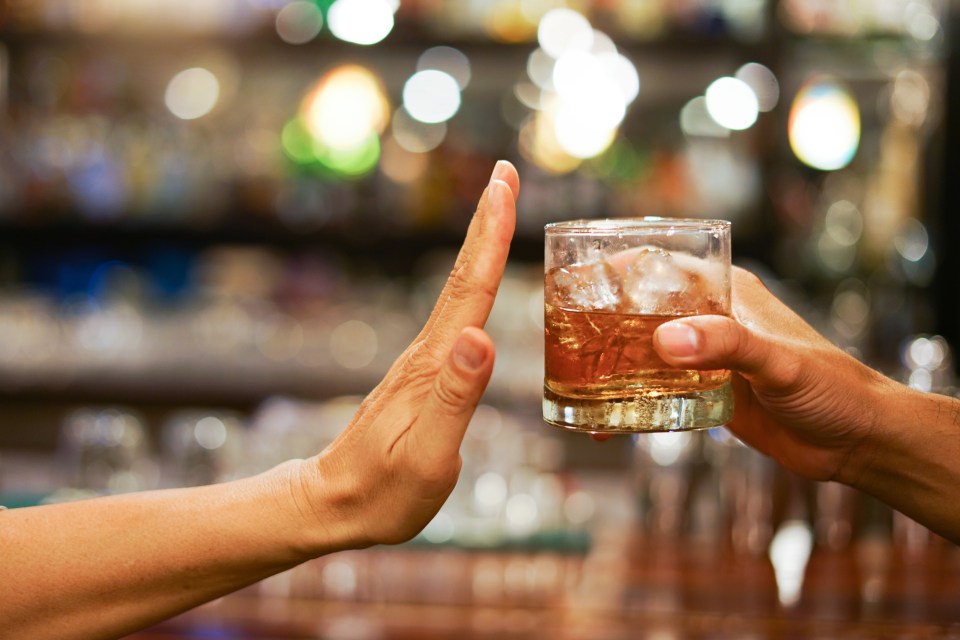
Sober curiosity is growing, which is why Dry January had record sign-ups in 2025, with one in three drinkers taking part.*
But while many people proudly call themselves “sober”, labels can sometimes put people off. Instead, there’s a shift towards simply drinking less, or being a “non-drinker”.
I quit alcohol 12 years ago, after a “wet decade” cost me jobs, relationships and my sanity.
I was drinking seven bottles of wine a week, albeit with a couple of “drink-free days”, until aged 33, I realised that my hundreds of failed attempts at cutting back were a sign I should quit altogether.
Moderation never worked for me – if you believe that’s the case for you, too, I urge you to seek professional help, or check out Alcoholchange.org.uk.
For my new book, Little Addictions, I interviewed experts on hacks for cutting back, using them to halve my phone use and intake of ice cream and nicotine.
If alcohol is your “little addiction” and you want to reduce, rather than quit, try these strategies.
Start a unit diary
Around 24% of Brits admit to exceeding the 14-unit weekly limit – the equivalent of six pints of average-strength beer or six 175ml glasses of wine.*
Experts suspect the real number is much higher, though, as it’s an easy thing to underestimate.
Awareness starts with tracking. Use free tools like the Try Dry app by Alcohol Change UK, or the NHS Drink Free Days tracker to get an honest picture of your consumption.
You might be surprised by your intake, including those generous “home pours”. To stay on track, consider using bar thimbles at home or sticking to single shots of spirits when you’re out.
Forgive yourself
If you drink more than you would like to, you are far from alone. Nearly half of all Brits wanted to cut down on their alcohol intake last year.**
Guilt about drinking can drive you to drink more, says Alex Korb, author of The Upward Spiral, who told me about the “guilt paradox”.
“The irony is that when we pile guilt or shame on top of the pleasurable thing, it then reduces how satisfying the thing is, and therefore you want it more,” he said.
Self-shaming doesn’t work, it only inflames cravings, so it’s important to forgive yourself.
Put it out of sight
On that note, to help break the habit of drinking at home, try cue-hiding. Cues – the sight of a bottle or the clinking of glasses – trigger cravings. Just as a biscuit jar on the kitchen side invites snacking, alcohol displayed like an ornament invites drinking.
Pack your stash away or give it as a gift – if it’s out of sight, it’s out of mind.
When temptation to go to the shop for a bottle strikes, behavioural expert Nir Eyal says to use the “in 10 minutes I can” tactic.
Delaying the urge often allows it to fade entirely.
Personally, I found creating physical obstacles worked – I’m not going to pop to the off-licence if I change into my pyjamas as soon as I get home.
Say ‘I don’t’
The language we use predicts our success. Choosing to say “I don’t” instead of “I can’t” is a technique known as “empowered refusal”.
When you say: “I don’t drink during the week,” you shift from feeling restricted to willingly re-routed.
Alex explains that our brains prefer choices we make ourselves.
Actively choosing a path releases more dopamine, which is essential for motivation, compared to when a rule feels forced upon us.
By reframing your refusal of alcohol, you make the habit change feel like a win, rather than a sacrifice.

Try time-boxing
Time-boxing can prevent drinking from spiralling out of control.
One study from the University of California found that when rats were given access to addictive substances like cocaine, six hours a day, they became addicts.
But when their access to the addictive thing was boxed into an hour’s time frame (say, 8-9pm), their usage remained consistent.
It showed that extended access to the drug leads to a profound increase in seeking behaviour, even if the risks are greater.
Shortening your access window to addictions, AKA time-boxing, can work for humans, too, says Nir.
“Time-boxing uses a well-researched technique psychologists call ‘setting an implementation intention’, which is a fancy way of saying: ‘Deciding what you’re going to do and when you’re going to do it,’” he says.
You could restrict your access to booze by making a pact with your partner or housemates to put the wine glass down at a certain time, or to only drink when you’re out.
Buddy up
Cutting back is difficult, so don’t be afraid to lean on someone close to you for support.
Many people crave sugar after reducing their alcohol intake, especially if they were drinking mainly sugar-heavy wine or cider.
If you find yourself grazing on sweets instead, try to be kind to yourself – it’s a common part of the transition.
If you need further help in quelling the cravings, research suggests that CBD can significantly reduce them, even when these cravings are triggered by stress or alcohol cues.***
But don’t forget that the UK Food Standards Agency advises a daily limit of 10mg CBD.
TRY: Cannaray Bright Days CBD Gummies (30mg per sweet), £36 for 30
Opt for none
If “just one” always turns into three glasses of wine, it isn’t a lack of willpower, it’s biology.
Alcohol is a disinhibitor that effectively puts the “adult” part of your brain (the prefrontal cortex) to sleep, which feels good.
Once that happens, you are biologically primed to make impulsive decisions and keep drinking.
Accepting you aren’t a “one and done” person can be liberating.
Think of how many people you know who have one, then stop – I can count those I know on one hand.
Either drink or don’t drink, but maybe stop trying to find moderation when it simply won’t stick.
“Our brains like definite decisions,” Alex says.
Use an easy excuse, like driving or being on antibiotics, to keep others from questioning your choice.
Don’t be a bore
The combination of quitting alcohol during Dry January and it being the bleak midwinter can mean we associate non-drinking with boredom.
So, capitalise on the perks. Every time you skip a drink, move that saved money into a separate “fun pot” in your bank account.
Use the funds for experiences that don’t involve alcohol: gig tickets, a massage, luxury candles or a trip to the cinema in the posh seats.
Whatever you might do, there is so much pleasure out there to be had that doesn’t come with the flipside of a hangover.
Good luck. I’ll be rooting for you to find the right balance, whatever that may look like for you.