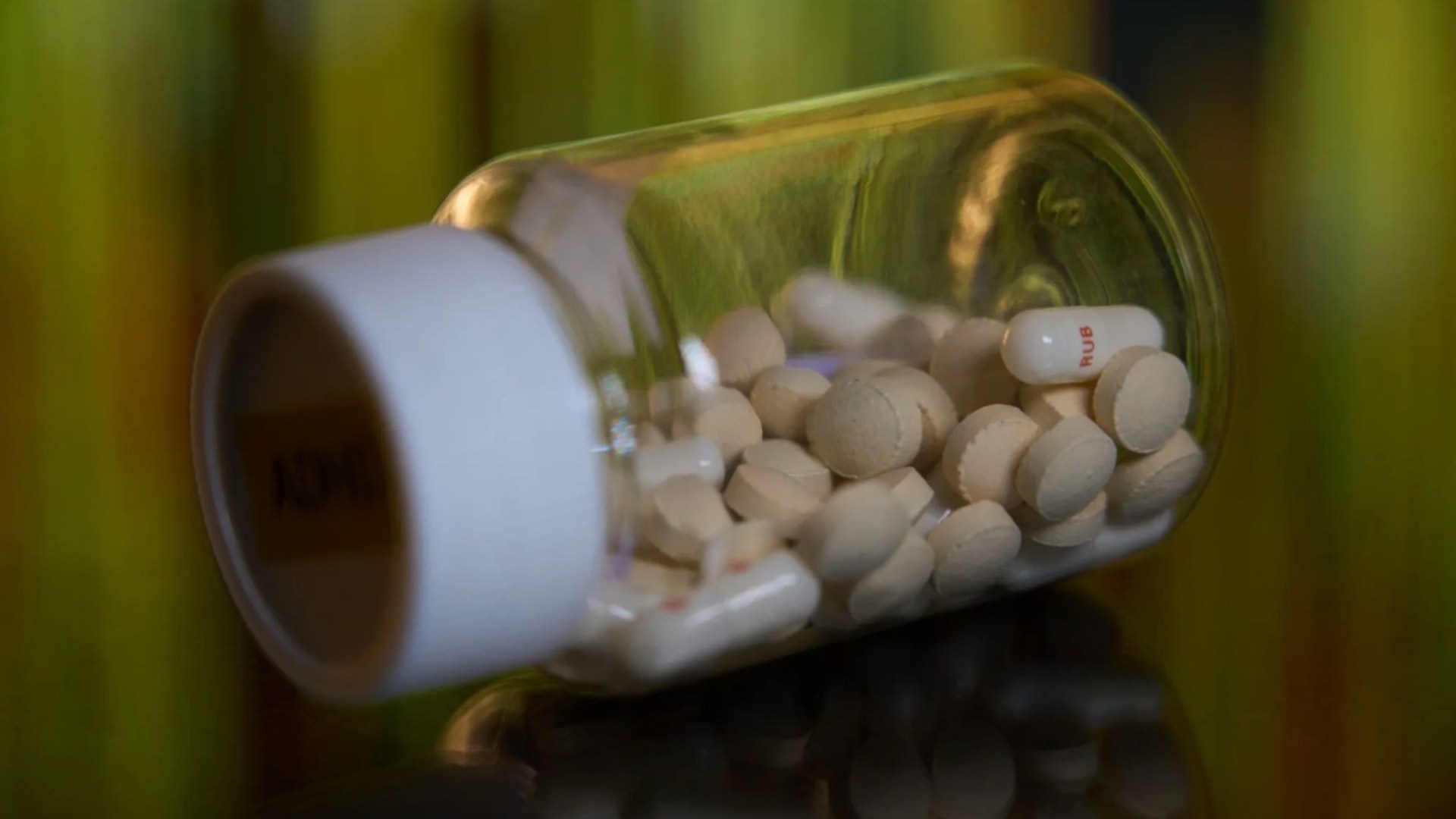
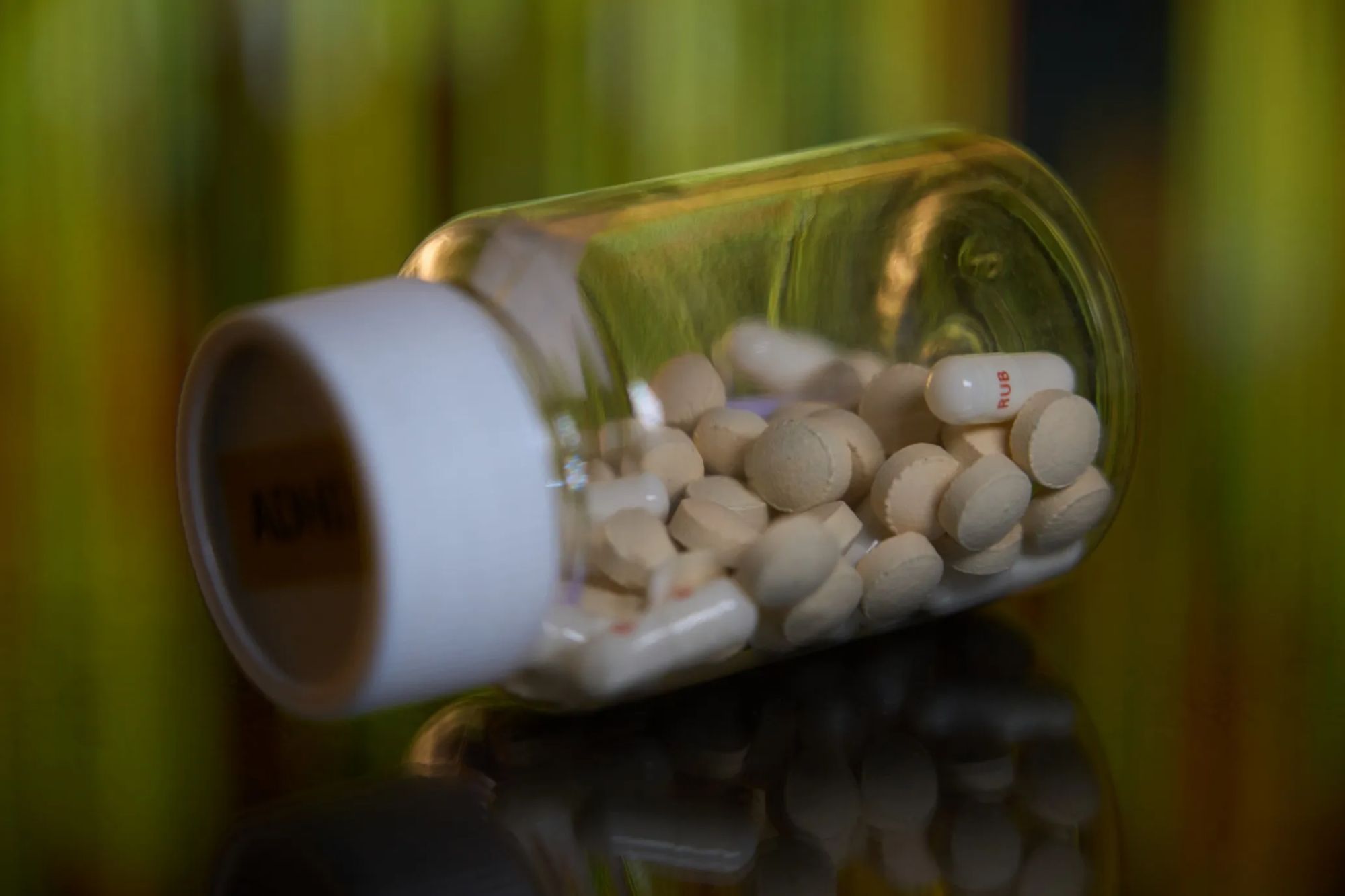
BATCHES of a mental health drug taken by thousands of Brits are being recalled over fears they could trigger overdoses.
Quetiapine is an antipsychotic commonly prescribed to people with schizophrenia and bipolar disorder, as well as depression.
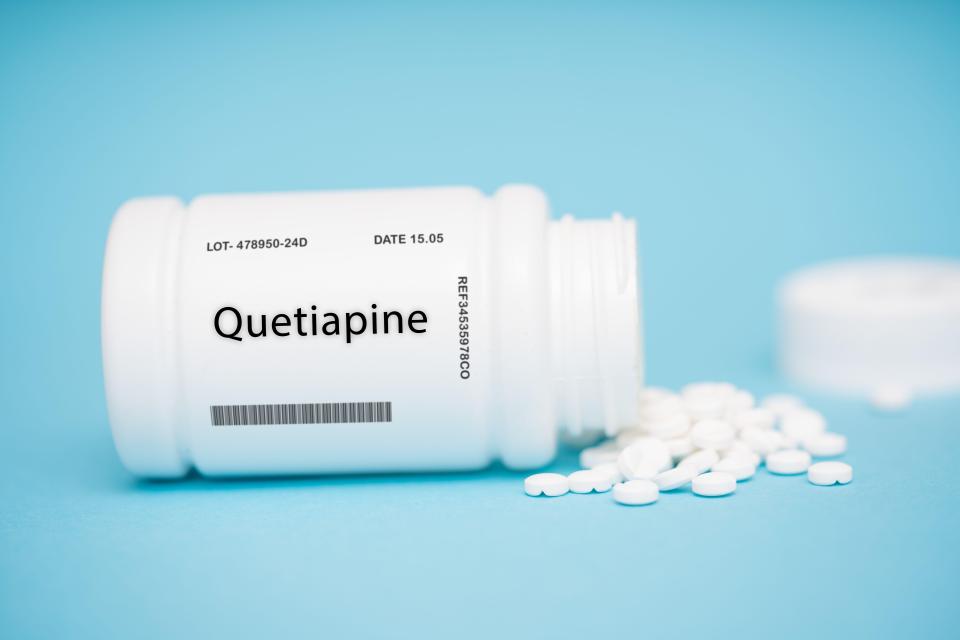
Over 300,000 prescriptions for the drug are issued each month in England, data shows – though this doesn’t necessarily equal the amount of people taking it.
Affected batches of quetiapine oral suspension contain twice the amount of the active ingredient – quetiapine fumarate – than they should, the Medicines and Healthcare products Regulatory Agency (MHRA) said.
This could put patients at risk of overdose, causing symptoms such as vomiting, dizziness and loss of consciousness.
A total of 166 bottles of the drug, manufactured between 26 October 2025 and 26 January 2026, were affected by the error.
More on medication warnings

The medication is made by the company Eaststone Limited, which told the MHRA it had traced patients taking the drug and had begun contacting them.
Meanwhile, pharmacists and GPs were advised to immediately get in touch with patients taking affected batches of quetiapine.
But people shouldn’t suddenly stop taking their medication, the MHRA stressed.
Dr Alison Cave, MHRA Chief Safety Officer, said: “It is important that patients do not stop taking their medication until they have spoken to their doctor.
“Suddenly stopping antipsychotic medication carries risks of severe side effects, including acute withdrawal syndromes or rapid relapse.”
Five different doses of quetiapine are being recalled – check if you have an affected bottle at home using the table below.
You can find the batch number and expiry date on the bottle and/or dispensing label.
If you can’t find the batch number and expiry date, contact your pharmacist for advice.
And if you haven’t yet been contacted about the recall, speak to a health professional responsible for your care about how to proceed.
Patients were warned to be aware of overdose symptoms.
According to Dr Cave, these can include “extreme drowsiness, vomiting, dizziness or confusion, and slow or shallow breathing”.
In rare cases, an overdose can be life-threatening, leading to coma or even death.
“If you experience any of these symptoms, please seek immediate medical assistance or visit your nearest accident and emergency centre,” Dr Cave noted.
“Anyone who has questions about their medication should speak to their healthcare professional,” Dr Cave added.
Affected batches of quetiapine oral suspension
Quetiapine 12.5 mg/5 ml Oral Suspension
FOR AFFECTED LOT/BATCH NUMBERS – SEE ANNEX 1 OF RECALL DOCUMENT
Quetiapine 25 mg/5 ml Oral Suspension
FOR AFFECTED LOT/BATCH NUMBERS – SEE ANNEX 2 OF RECALL DOCUMENT
Quetiapine 50 mg/5 ml Oral Suspension
Active Ingredient: quetiapine fumarate
FOR AFFECTED LOT/BATCH NUMBERS – SEE ANNEX 3 OF RECALL DOCUMENT
Quetiapine 100 mg/5 ml Oral Suspension
FOR AFFECTED LOT/BATCH NUMBERS – SEE ANNEX 4 OF RECALL DOCUMENT
Quetiapine 200 mg/5 ml Oral Suspension
FOR AFFECTED LOT/BATCH NUMBERS – SEE ANNEX 5 OF RECALL DOCUMENT
“We also encourage patients to report any suspected adverse reactions via the MHRA Yellow Card scheme.”
The Yellow Card scheme allows doctors, pharmacists and patients themselves to report adverse reactions believed to be caused by prescription and over-the-counter drugs.
You can report suspected side effects here or search the Google Play or Apple App stores for MHRA Yellow Card.
Pharmacy and other healthcare professionals dispensing quetiapine were told to “identify and immediately contact all affected patients to confirm if they have any remaining medicine“.
Meanwhile, GPs and specialist clinicians will need to review these patients as soon as possible to see whether patients need to be switched to a different medication or can continue taking their prescription.
It follows the MHRA slapping new warnings on weight loss jabs.
The confirmed GLP-1 injections carry a “small” risk of pancreatitis, where the organ becomes inflamed and causes symptoms such as stabbing stomach pains and nausea.
In some cases, people may develop severe side effects that require hospitalisation.
An investigation also revealed that weight loss jabs could be linked to a surge in people having their gallbladders removed.