This year marks 25 years since Al Qaeda flew planes into the twin towers of New York City’s World Trade Center and the Pentagon in northern Virginia. The attack was motivated by a violent sectarian interpretation of Islam espoused by Osama bin Laden, which departed from most Muslims’ “peaceful and inclusive version” of their faith, according to the 9/11 Commission Report. Still, the attack prompted a 17-fold spike in hate crimes against Muslim Americans.
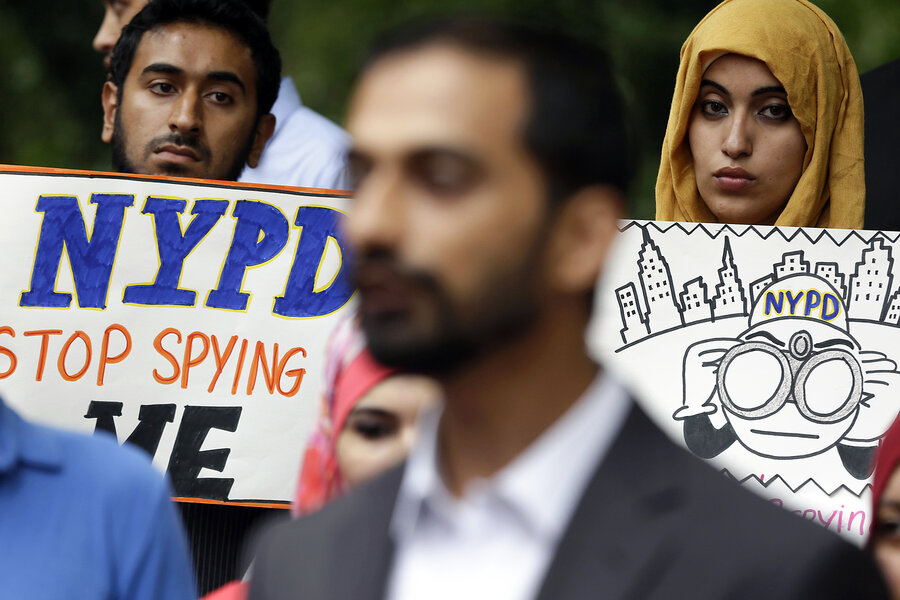
Much has been written about how 9/11 changed the United States. As staff writer Audrey Thibert reports in this week’s issue, there is a lot to consider about how New York City specifically has evolved since that attack. Marwa Janini, who was 10 years old in September 2001, told Audrey that she remembers even as a child the feelings of mistrust that arose after the attack, even after courts declared the New York Police Department’s surveillance of many Muslim communities to be illegal.
Nobody then would have imagined that New York would have a Muslim mayor, she says. Today, Ms. Janini is part of the transition team for Zohran Mamdani, a Muslim American elected mayor of the nation’s largest city.
He didn’t win in a landslide. Nearly half of New York City voters cast their ballots against Mr. Mamdani. Many critics decried his democratic socialist economic politics, while others objected to his positions on Israel.
Nevertheless, his victory would have seemed culturally and politically impossible 25 years ago, according to Audrey’s reporting.
His faith was not an insurmountable barrier, reflecting an evolution of thought among New Yorkers. This, perhaps, is a different way to look at national anniversaries. They are not just events that changed history. Often, they are milestones that help us recognize the ways communities have evolved over time, and the changing ways people think.