I KNOW from personal experience: catching cancer early gives people more than a fighting chance.
My diagnosis for kidney cancer was quick, my NHS treatment and onward care – lifesaving.
But many cancers aren’t caught in time – because our NHS is too geared towards dealing with crisis, instead of early intervention.
The big news?
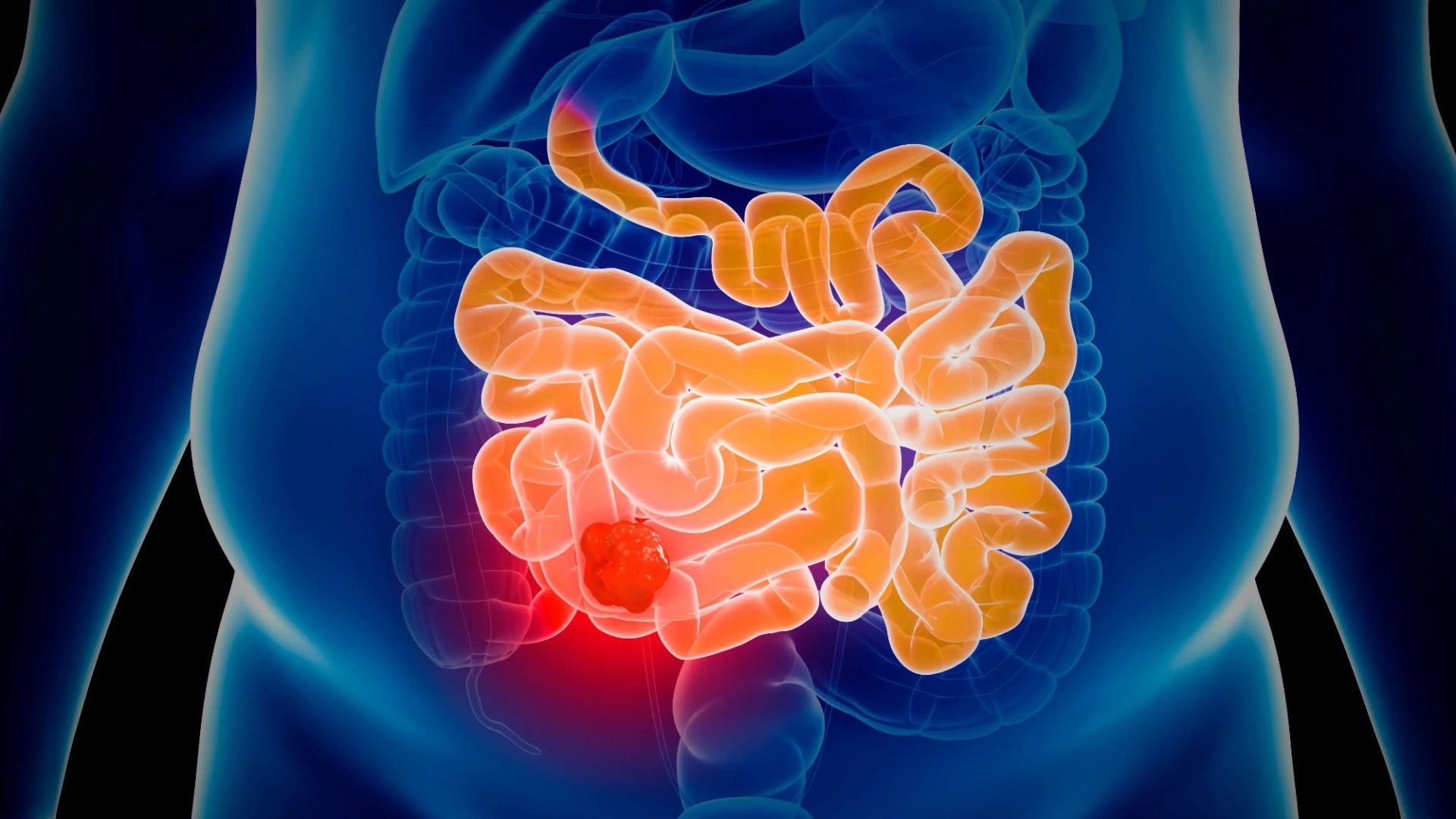
Home bowel cancer tests now have improved sensitivity meaning NHS doctors can now detect more cancers.
Around 600 more cancers could be caught early every year and 2,000 people spared cancer altogether because risky polyps are removed before they turn deadly.

The test is still quick, simple and done at home.
But the impact is huge.
Early diagnosis means simpler treatment, better recovery and more lives saved.
Prevention is better than cure.
If you use the NHS App, you’ll get an alert when tests are on their way – all part of our 10 Year Health Plan to modernise the NHS and make it as convenient as online shopping.
Awareness remains key though, which is why I’m so grateful to The Sun for backing the brilliant Bowelbabe campaign, inspired by the sorely missed broadcaster and campaigner, Dame Deborah James.
Deborah passed away from the disease in 2022, but Bowelbabe continues to show the nation how powerful honesty, openness and action can be in smashing taboos, raising awareness and saving lives.
So, when that test lands on your doormat, don’t bin it.
Do it. It really could save your life.
The signs of bowel cancer you need to know – remember BOWEL
- B:Bleeding
There are several possible causes of bleeding from your bottom, of blood in your poo.
Bright red blood could come from swollen blood vessels, haemorrhoids or piles, in your back passage.
Dark red or black blood could come from your bowel or stomach.
Blood in your stools is one of the key signs of bowel cancer, so it’s important to mention it to your doctor so they can investigate.
2. O: Obvious change in loo habits
It’s important to tell your GP if you have noticed any changes in your bowel habits, that lasts three weeks or longer.
It’s especially important if you have also noticed signs of blood in your poo.
You might notice you need to go to the loo more often, you might have looser stools or feel like you’re not going enough or fully emptying your bowels.
Don’t be embarrassed, your GP will have heard a lot worse! Speak up and get it checked.
3. W: Weight loss
This is less common than the other symptoms, but an important one to be aware of. If you’ve lost weight and don’t really know why, it’s worth mentioning to your GP.
You may not feel like eating, feel sick, bloated and not hungry.
4. E: Extreme tiredness
Bowel cancer that causes bleeding can cause a lack of iron in the body – anaemia. If you develop anaemia you’re likely to feel tired and your skin might look pale.
5. L: Lump or pain
As with lots of other forms of cancer, a lump or pain can be a sign of bowel cancer.
It’s most likely you’ll notice a pain or lump in your stomach or back passage.
See your GP if it doesn’t go away, or if it affects how you eat or sleep
What are the risk factors of bowel cancer?
You’re at greater risk of bowel cancer if you have one or more of the following risk factors:
- you’re aged over 50
- you have a strong family history of the disease
- a history of non-cancerous growths, known as polyps, in your bowel
- long-term inflammatory bowel disease, such as Crohn’s disease or ulcerative colitis
- type 2 diabetes
- an unhealthy lifestyle – you smoke, are overweight or obese and do not get enough exercise