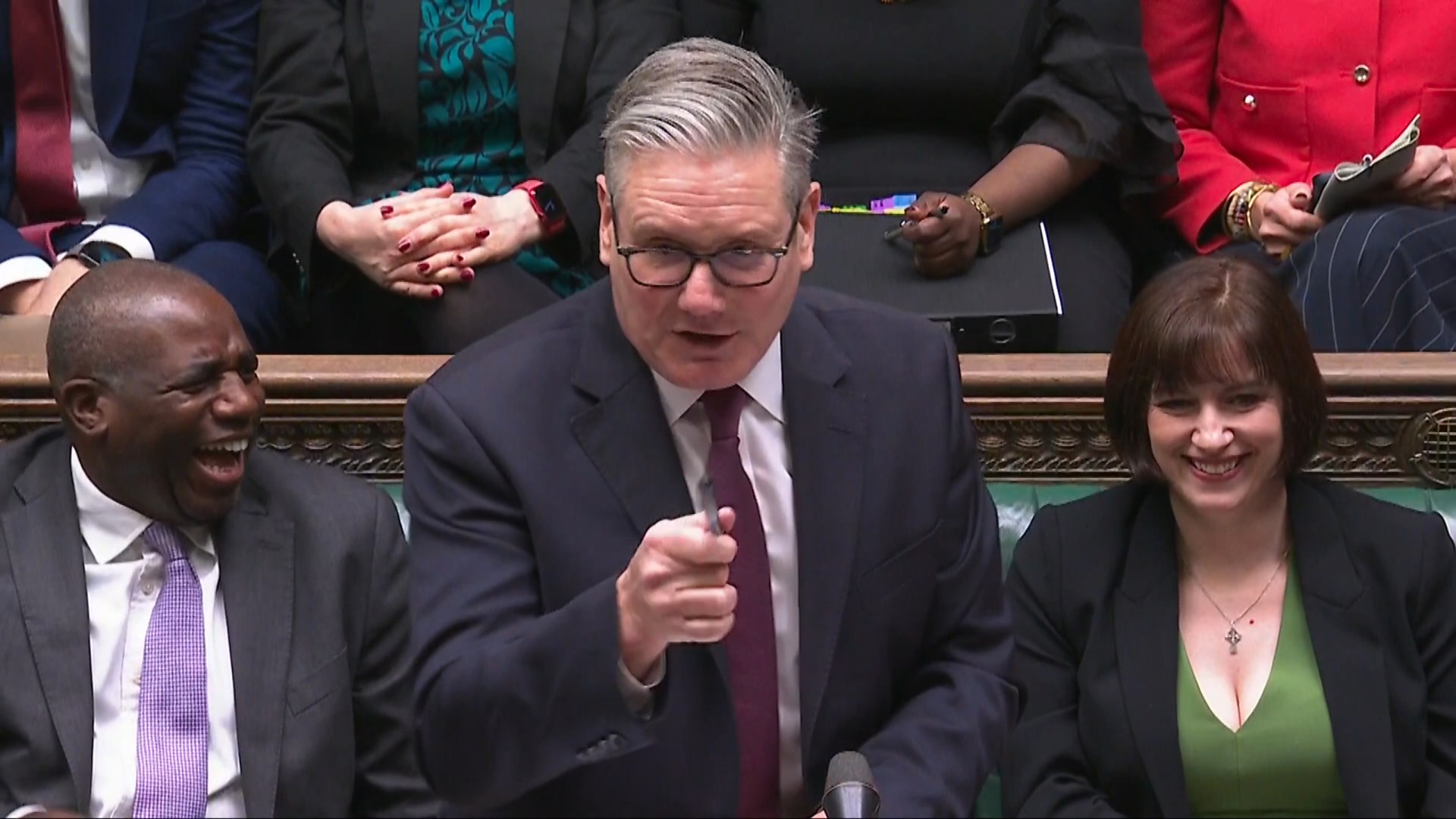
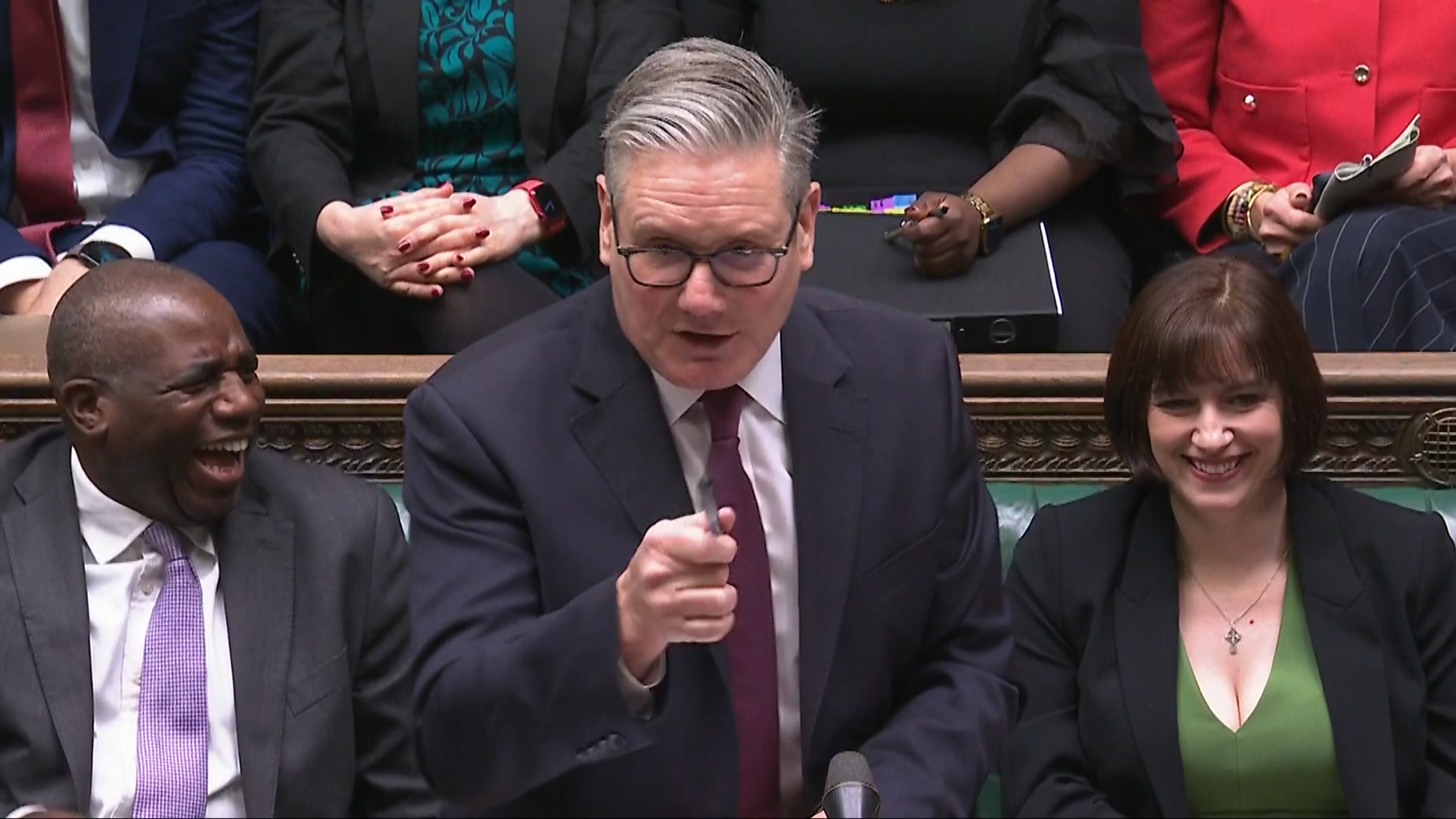
SIR Keir Starmer has declared he will not yield to Donald Trump over Greenland.
The Prime Minister brushed off the US President’s furious Chagos outburst as an attempt to strong-arm Britain into softening its stance on the Arctic territory.
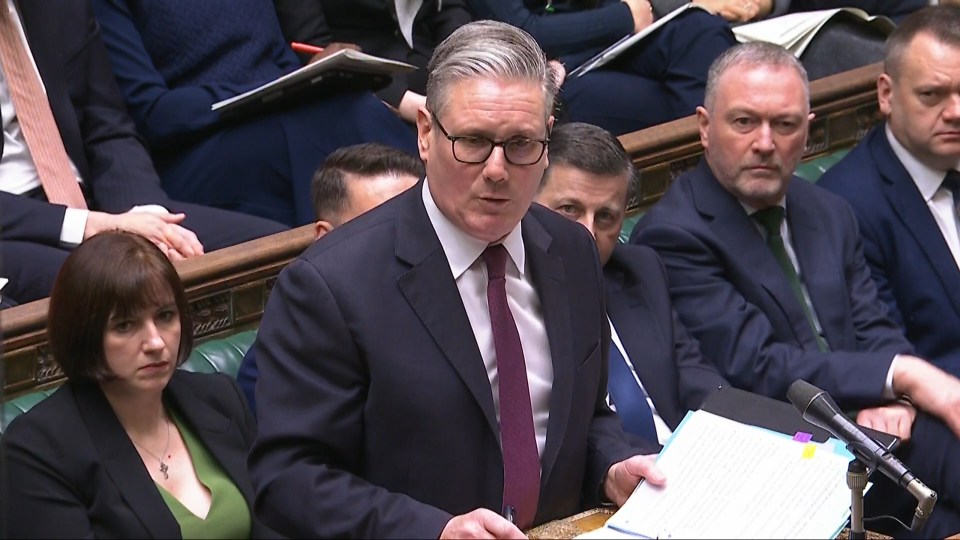
He said Mr Trump’s latest remarks were “different from his previous words” and clearly aimed at pushing him to back down on his “values and principles”.
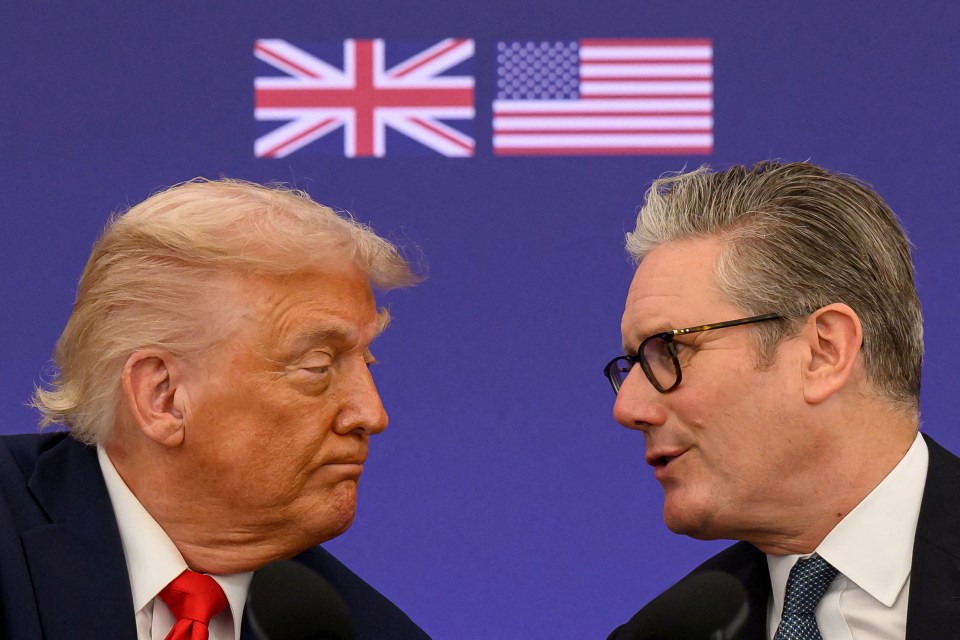
His remarks came after an extraordinary 24 hours in which Mr Trump tore into European leaders, accused Sir Keir of “great stupidity” for handing the Chagos Islands to Mauritius, and warned that “total weakness” in London was undermining Western security.
The US President has threatened to hit Britain and Europe with 10 per cent tariffs from February 1 unless they back his demand for American control over the Denmark-owned territory.
The PM condemned the tariff threat as “completely wrong” and confirmed Danish Prime Minister Mette Frederiksen will visit No10 tomorrow for urgent talks amid the spiralling crisis.
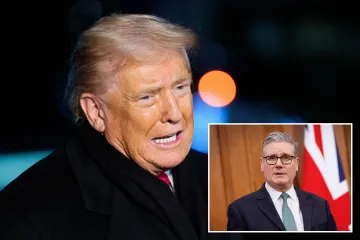
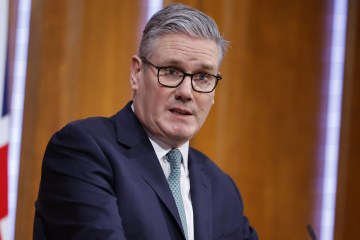
In his most openly critical remarks about Mr Trump since becoming Prime Minister, Sir Keir said at Prime Minister’s Questions: “President Trump deployed words on Chagos yesterday that were different to his previous words of welcome and support when I met him in the White House.
“He deployed those words yesterday for the express purpose of putting pressure on me and Britain in relation to my values and principles on the future of Greenland.
“He wants me to yield on my position and I am not going to do so.
“Given that was his express purpose, I’m surprised the leader of the opposition has jumped on the bandwagon.”
Yesterday Mr Trump blasted Emmanuel Macron as a “political dud”, threatened 200 per cent tariffs on French wines and champagne, and published private texts from the French President complaining about the Greenland stand-off.
He even posted AI mock-ups of himself planting an American flag on the island, and revived past claims on Canada by sharing a map coloured in US stars and stripes.
The NATO alliance is now facing its most serious rupture since its founding after the Second World War.
The Bank of England is on “high alert”, with Governor Andrew Bailey warning MPs that geopolitical turmoil could spark market shockwaves.