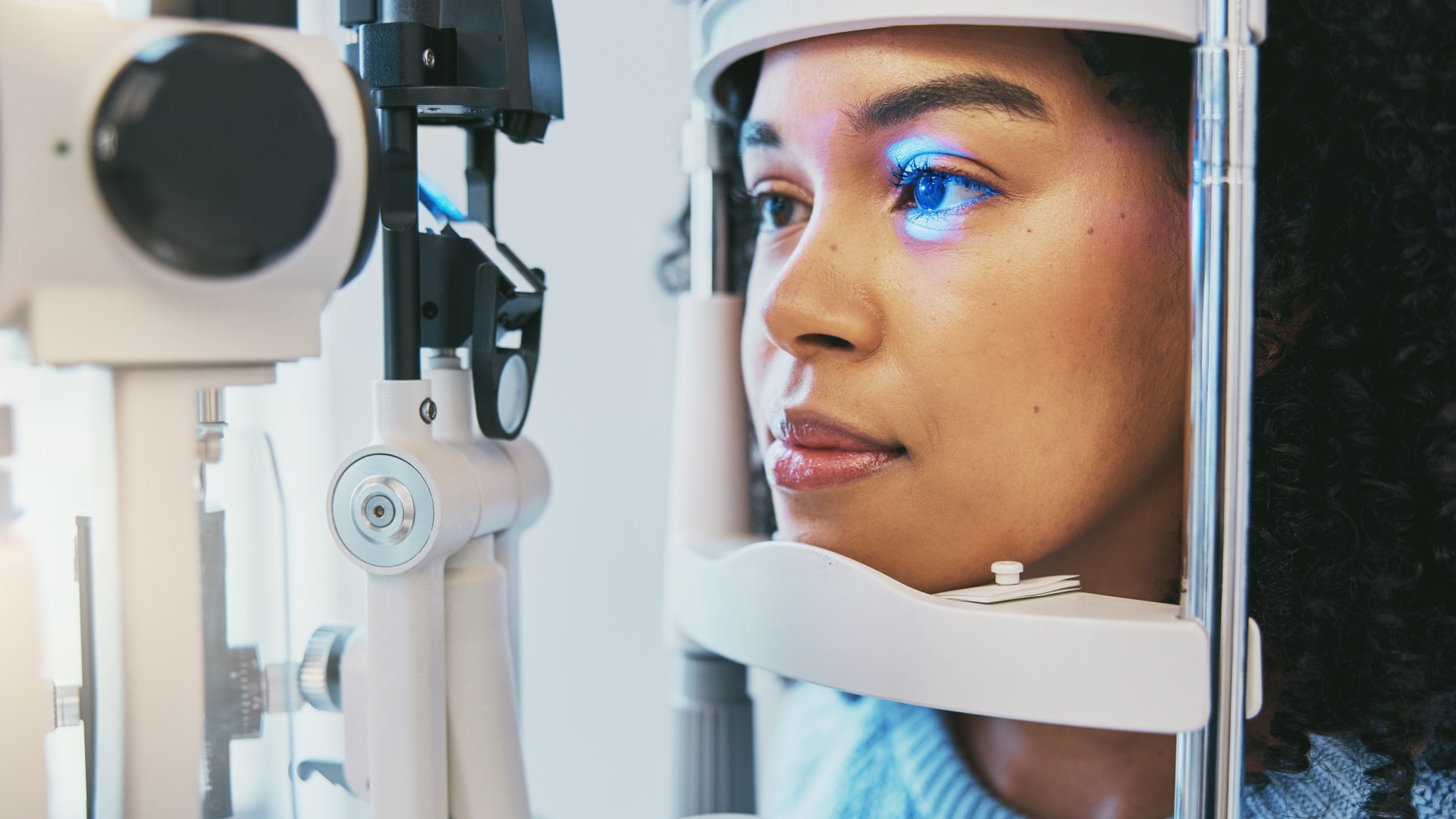
The number of Brits suffering from an incurable eye condition is expected to more than double by 2060, according to shock new projections.
Around 700,000 adults are currently thought to have glaucoma, which leaves one in 10 completely blind.
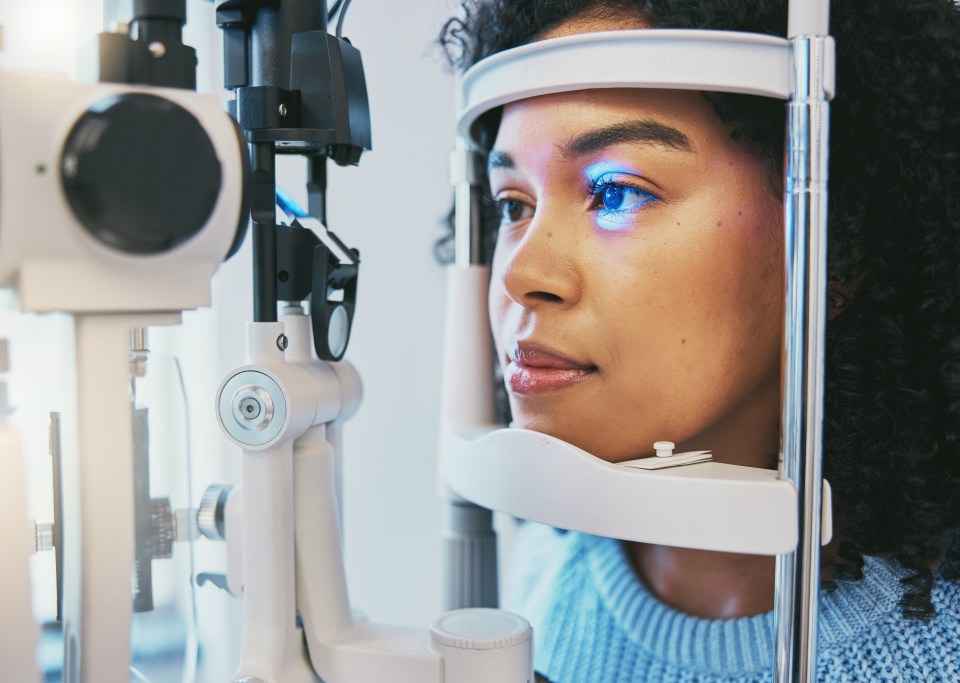
But University College London scientists estimate the figure will rise to 1.6 million within four decades as people live longer – marking a 60 per cent uptick.
Experts warned the burden on health and social care could be considerably larger than first feared and was a “demographic time-bomb” that would require “serious planning and action now”.
They also urged the middle aged to get their annual eye test.
Professor Paul Foster, a UCL Institute of Ophthalmology researcher, consultant ophthalmic surgeon at Moorfields Eye Hospital and study co-author, said: “Glaucoma is a common cause of blindness, but it isn’t symptomatic until its later stages, so regular tests are important for early diagnosis.”

Previous studies have estimated that half of glaucoma cases are undiagnosed, he said.
“Late diagnosis comes with a higher risk of sight loss and higher costs of care,” he added.
“Over 40 per cent of glaucoma patients in the UK experience vision loss that could have been prevented with earlier diagnosis and treatment, such as eye drops or surgery.
“For people in midlife onwards, it’s important to get your eyes checked annually by your optician, to detect changes that haven’t yet caused any symptoms.”
In a healthy eye, fluids packed with important nutrients flow through the eye to “feed” the various structures within, and then drain away naturally.
But in glaucoma sufferers, the drainage channels become blocked and the fluid gradually accumulates, pressing on the optic nerve.
It leads first to tunnel vision, then total blindness.
It can be inherited but is also triggered by injuries to the eye or inflammation. Ageing is also a major risk factor.
The sight loss caused by glaucoma cannot be reversed, but treatments can slow it.
Patients are usually given drops to help excess fluid drain away, or, in more severe cases, laser surgery to increase the drainage of fluid.
But many patients often forget to put their drops in at the right time, or put too little in.
Missing drops regularly, or even just delaying them, can increase the risk of glaucoma getting worse.
Every year, an estimated 250 people lose their sight because of treatable conditions such as glaucoma, the leading cause of irreversible blindness.
In the study, published in the British Journal of Ophthalmology, researchers used the most recent census data and calculated that 1.1 million Brits currently have the condition, up on the 700,000 estimate.
It is roughly the equivalent of three per cent of the population over the age of 40 and 11 per cent of all over 85s.
Using population predictions from the Office for National Statistics, they then found cases will rise 60 per cent by 2060, “driven by an ageing population”.
Prof Foster said: “Our findings show that there will be a large increase in glaucoma cases in the UK, so there’s a growing need to expand eye health services to meet this demand, including specialist care and diagnostic capacity.”
Joanne Creighton, chief executive of Glaucoma UK, which commissioned the research, said: “This new study reveals a reality where over one million adults aged 40 and above are currently living with glaucoma – many of them without knowing, and potentially losing sight which they will never be able to recover.”
The 60 per cent prediction is a “demographic timebomb”, she added.
“We need serious planning and action now to prepare to diagnose, treat, and support these future patients.”
Everything you need to know about glaucoma
Glaucoma is an eye condition where the main nerve, which connects the eye to the brain, becomes damaged.
It’s most common in adults aged 50 and over and can cause vision loss if it’s not diagnosed and treated early.
Glaucoma doesn’t usually have symptoms, so most people don’t realise they have it.
It develops slowly over many years and is usually picked up during routine eye tests.
While the condition usually affects both eyes, it may be worse in just one.
Sometimes glaucoma can develop suddenly and cause symptom such as:
- intense eye pain
- a red eye
- tenderness around the eyes
- seeing rainbow-coloured circles around bright lights
- blurred vision
- feeling sick (nausea) and being sick
- a headache
If you have concerns about your vision, see a GP or optician.
But call 999 or go to A&E if you develop symptoms of glaucoma suddenly.
This is considered a medical emergency that may require immediate treatment.
Make sure you don’t drive yourself to A&E – ask someone to drive you or call 999 and ask for an ambulance.
And bring any medications you take with you.
Source: NHS