Finding a good home for your savings can be a daunting task, especially when there are more than 2,000 savings accounts from banks and building societies to choose from.
The best accounts for you will depend on how much you have in savings, how quickly you need to access it and whether you are at risk of being stung by a tax bill.
Soon, savers will face an even greater challenge if they want to shield their money from the taxman.
From April 2027, the amount savers under 65 can put into a cash Isa each tax year will be cut from £20,000 to £12,000.
Chancellor Rachel Reeves announced this is her November Budget and claims it is to encourage more of us to invest in the stock market instead of keeping money in cash. The entire £20,000 annual allowance can still be used for a stocks and shares Isa.
Cynics argue the move will push millions of savers into paying higher tax bills, as cash will be diverted into ordinary savings accounts instead, meaning more money for the Treasury.
Form your savings plan early to avoid getting caught out. There are golden rules to follow to hold on to as much of your own cash as possible. You will need to use clever tricks to tailor your strategy, depending on how much money you have saved.

Financial planning is important, no matter how little you plan to save
Your savings blueprint will look different, whether you are just starting out and putting £100 aside each month, or you have £10,000 already set aside, or your savings pot has reached the £100,000 mark.
Here’s my masterplan for saving ahead of the rule change, including where to put your money now to bag the best rates on offer – and how to shield as much of it as possible from the taxman.
Saving £100 a month
If you are starting out on your savings journey, you do not need to worry too much about tax just yet.
Go for a regular savings account rather than a tax-free cash Isa. They pay better rates and you shouldn’t have to pay tax on your interest.
Most people have a personal savings allowance – this is the threshold below which you don’t need to pay tax on any interest you earn from your bank.
Basic rate taxpayers can earn £1,000 in savings interest before paying any tax, while higher-rate taxpayers have a £500 allowance.
The exception is if you earn more than £125,140 a year, at which point everything you earn in interest is taxed at your additional income tax rate of 45pc.
The bottom line is that if you are a basic-rate taxpayer, you can have up to £25,000 in an ordinary savings account paying 4pc – about the top rate on offer right now on easy-access accounts – without a tax bill.
Higher-rate taxpayers can save up to £12,500 in one of these accounts before using up their allowance.
So if you are just starting to set £100 aside each month when you receive your pay cheque, and are comfortably within your allowance, then you should put it in an account for regular savers.
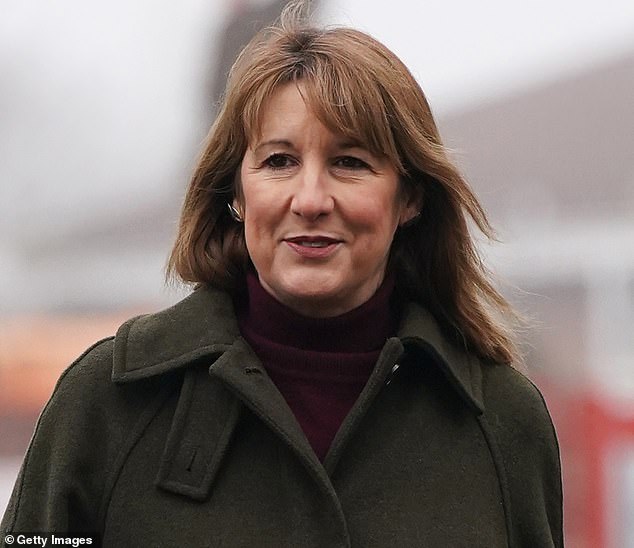
Rachel Reeves has hit savers by cutting Isa limits from next year
These accounts usually run with a bonus for a 12-month period – after that, you can put your savings into a cash Isa, where you can earn tax-free interest in the future. Regular saver accounts, where how much you pay in each month is capped, pay the top rates of about 7pc – far higher than other accounts.
Paying in £100 a month at this rate will leave you with £1,245 after 12 months – a gain of £45 in interest.
The mechanics behind these accounts vary. Some banks allow you to miss payments, while others don’t. Some let you take money out during the year without charges, while others won’t let you touch it or will charge you to do so.
Your first port of call is your current account provider. It may be easy to set up a regular savings account with them, but it is worth shopping around.
Co-op Bank has a variable rate of 7pc. You can save up to £250 a month, miss payments without losing out whenever you need to, and can dip into your money when you want without charge.
If you have signed up for the newest current account on the market, Biscuit from Zopa Bank, the rate is a tad higher at 7.1pc.
Both rates are variable. Lloyds Bank pays 6.25pc fixed. All three let you take money out. First Direct pays 7pc fixed for 12 months but doesn’t allow withdrawals.
Nationwide Building Society pays 6.5pc variable and allows you three withdrawals a year.
If your current account provider doesn’t offer an account to suit, both Newcastle Building Society and West Bromwich Building Society offer top rates.
Newcastle pays 6.5pc on savings between £1 and £150 a month on its Festive Regular Saver while at West Bromwich the rate on its Winter Ready account is 6pc on savings up to £100 a month. Yorkshire BS has just launched its Christmas Regular Saver at a lower but still attractive rate of 5 pc.
If you have £10,000 to £50,000 saved
If you have between £10,000 and £50,000 in an ordinary savings account, move as much of it as possible to a cash Isa now, assuming you have not yet used your £20,000 allowance for this tax year.
Cash Isas should be the bedrock of any savings plan, as you can build up a nest-egg where your interest is completely free of tax.
And during this tax year and next you will still be able to pay in the higher £20,000 sum before Reeves’ introduction of the new £12,000 limit.
The top easy-access cash Isa rate comes from Trading 212 at 4.33pc, which you can open through its app. It comes with a 0.73 percentage point bonus which only lasts a year, so you will need to move it after the 12 months are up.
Another app-based account, Atom Bank, pays 4.25 pc with no bonus.
Atom Bank offers a leading interest rate on cash on cash Isa
If you prefer an online account, Vida Savings Easy Access Isa at 4.05pc and Ford Money Flexible Isa at 4.04pc are good deals.
Both are ‘flexible’ – industry speak which means any money you take out can be replaced in the same tax year without it affecting your Isa allowance.
It means you can put in £20,000, take out £1,000 and replace it by April 5. With a non-flexible version you can’t, because replacing the £1,000 would count towards your Isa allowance, which you have already used up.
If you have £50,000 or more saved up
If you have £50,000 in savings then you need to keep as much of it as possible in a mixture of fixed-rate and easy-access Isas to minimise your tax bill.
On easy-access money, go for a flexible Isa, as this is a useful tool if you use up the whole of your Isa allowance.
As explained above, flexible Isas allow you to dip into your pot as and when you like, and, as long as you put the money back in during the same tax year, it doesn’t lose its tax-free wrapper.
Mix and match the best rates – you can have your easy-access Isa with one provider and your fixed-rate with another.
You could then hold any excess in an easy-access savings account – you might have to pay tax on some of your interest but your money will be ready to move into a cash Isa when the allowance resets in April. And from then on it will all be out of the taxman’s reach.
The best easy-access account comes from Spring, part of Paragon Bank, with its app-based account paying 4.11 pc.
Online, Vida Bank’s Defined Access matches this rate but here you are limited to making four withdrawals a year. This won’t make any difference to you if you only plan to take the money out in April to fund next year’s cash Isa.
Both banks could drop the rate soon following the cut in Bank of England base rate in December from 4 pc to 3.75 pc.
Family Building Society Market Tracker Saver pays 3.98pc and won’t change until April 1.
It adjusts the rate every three months to pay the average of the top 20 accounts. The rate was set on January 1 so won’t change again until April. It’s not the top rate but you will always be up with the leaders.
You could then put any money left over from your Isa allowances for this year and next into an ordinary fixed-rate bond, such the one-year deal from Marcus at a top 4.55 pc.
Watch out for fixed-rate bonds that run for longer than one year and pay all the interest in one go at the end of the term. You could end up with a nasty tax bill. This is because you can’t carry forward your personal savings allowance on such accounts.
For example, on a two-year bond all your interest could be taxed when the bond matures and set against that single year’s allowance. So you only get one year’s £500 personal savings allowance to offset both years’ interest.
Remember that if you have savings that you do not expect to spend within the next five or ten years, you are likely to earn more by investing your money into a portfolio of shares and bonds from all around the world than by earning interest on it in a savings account.
If you have £100,000 in savings
You need to ensure you are making use of every tax-break around. If you haven’t already, maximise your £20,000 cash Isa allowance now.
Then, get ready to shield a further £20,000 in an Isa when your annual allowance resets on April 6 next year. Keep this sum in a standard easy-access account so you can get to it easily when the time comes. Interest in this easy-access account will count towards your personal savings allowance this tax year but will be free of tax after that.
Consider putting a lump of your savings into Premium Bonds
Paying 4pc interest, these accounts will give you just under £200 interest before tax between now and April.
Put another chunk into a fixed-rate bond (see above for the best rates). This will use up the remainder of your personal savings allowance.
Once you have opened a second Isa in April, you will only be paying tax on your fixed-rate bond so your bill should decrease after that. Premium Bonds from National Savings & Investments will be the next port of call for those facing higher tax bills, because of the lure of tax-free prizes.
You can put up to £50,000 into Premium Bonds. There’s a tiny chance you could win one of the big life-changing monthly prizes of £1million, £100,000 and £50,000, but it’s much more likely to be £25, £50 or £100.
You won’t earn any interest and might not win any prizes, but your money is safe.