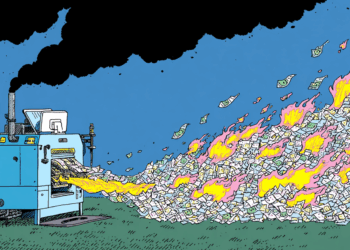
THE festive season is well and truly behind us – but is your financial hangover lingering?
A third of us splurged more than planned over Christmas, with an average overspend of £228, according to research from online budgeting tool IE Hub.
It typically takes four months to pay off Christmas debt, while one in five of us needs more than six months to do it.
But taking control of your money in January can help get you back on track.
Here are eight effective ways to fix your 2026 cashflow.
Get back on track
It’s easy to try to hide from debt, but you can’t fix it by ignoring it.


Make a list of everything you owe, including overdrafts, loans, credit cards, store cards and outstanding bills — even money borrowed from friends.
Write it all down, then look in all your bank and savings accounts so you know exactly how much money you have.
It may feel scary, but it’s the first step on the journey to becoming debt-free.
Take back control
Keeping track of what money comes in and what goes out will help you feel in control.
Obviously the ideal is to have more cash coming in each month than you spend, but don’t panic if you can’t balance the books straight away.
For a little help, check out the free budget planner tool from MoneySavingExpert.
To get started, see moneysavingexpert.com/banking/budget-planning.
Stop money leaks
Most of us have big bills to overcome, such as mortgage or rent, food and household costs — but “money leaks” are responsible for a lot of what we spend.
These are luxury or unnecessary items such as a pricey coffee from
a cafe on the way to work; a subscription for a barely used service; impulse buys that aren’t needed or frequent takeaways.
For the next month, write down everything that you spend and see where you can plug your leaks.
You may be able to save upwards of £100 a month.
Cut food costs quick
The average family of four spends between £526 and £719 on groceries and eating out each month, but shopping smartly can cut that to around £100 a week.
There are four main ways to do this.
Swap your usual supermarket for a discount one like Lidl; ditch branded buys for own labels; meal plan, then write a weekly shopping list and stick to it; and batch cook to use up leftovers and create extra meals.
Get inspiration for delicious dishes at recipes.lidl.co.uk/recipes-to-reduce-food-waste.
Use AI to your advantage
Being good with money has never been easier.
A Lloyds Bank study shows 28million of us are using AI to help with financial management, more than half of the adult UK population.
Your favourite AI tool can help create budgets and analyse spending, but remember to check it as tech can make mistakes.
It’s worth seeing if your banking app offers free money coaching.
Speak to your HR team at work, too, as many firms have signed up
for financial coaching for staff.
Boost your pay packet
Alongside reducing your spend, seek ways to increase your income.
Declutter and sell what you don’t need on Vinted, eBay or Facebook Marketplace.
Sign up for extra shifts at work, take on a second job or start a side-hustle.
There is lots of great inspiration at thesun.co.uk/topic/side-hustle.
Don’t miss out on free cost of living cash
Around £24billion in benefits and social support is unclaimed in the UK annually, affecting about seven million households.
To check if you should be claiming, see benefits-calculator.turn2us.org.uk.
If you’re in a low-income household on Universal Credit or Pension Credit, speak to your energy, water and broadband providers about low-cost “social tariffs”, too.
Settle your debts
Once you’ve identified ways to save, put the money to good use reducing your debts.
There are two ways to do this — either pay off the smallest amounts first so you can see you are making progress, or start by tackling debts with the highest interest rates, because this reduces the overall amount you’ll need to pay back.
Save time and money with a budgetting app
Find managing your money stressful?
Then tech it easy with an online savings app.
Whether your goal is to save more, budget better or gain a clearer understanding of where your money goes, these are the best apps to help you.
Plum
Downloaded by more than 2million people in the UK, Plum connects to your bank account and rounds up transactions to the nearest pound, then saves the difference based on what you can realistically afford.
You can set savings goals, earn interest on the money you save and then withdraw it easily when you need it.
See withplum.com.
Moneybox
Launched in 2016, it’s a simple way to start saving into tax-free ISAs
as well as a conventional savings account.
You can start saving from just £1 and choose between a cash ISA, Simple Saver or accounts with a 32, 45 or 90-day notice period.
See moneyboxapp.com.
Chip
Winner of the 2025 Best Personal Finance App, Chip uses AI to
assess your bank balance and suggests amounts to save every four days.
As well as normal interest-paying accounts, you can join the app’s prize draws, with up to £500k to be won.
See getchip.uk.
Monzo
Looking to save into lots of little pots?
Then this is the app for you.
You’ll need a Monzo account, but you can name each pot for things such as holidays or a flat deposit, automate savings and, when you spend more than £1, the app will round it up and save the extra into your designated pot.
See monzo.com/savings.
Chase
You’ll need to open a Chase current account but for the first year, you’ll get one per cent cashback when you use your debit card to buy
daily essentials.
The app will also round up your spending to the nearest £1 and save into an account paying 5% AER.
See chase.co.uk.