Sir Keir Starmer has given the clearest indication that Labour is considering a ban on under 16s using social media – in what would mark another significant Government U-turn.
The Prime Minister said he has not ruled out introducing an Australia-style ban on young people using social media following pressure from his backbenchers, adding: ‘All options are on the table.’
It comes despite Sir Keir previously opposing such a ban – and follows Kemi Badenoch vowing that the Conservatives would block under-16s from social media if they win the next election.
Pressure is mounting on the Government to follow Australia – which became the first country to ban social media for young people last month – with MPs privately pushing for Labour to follow suit.
Wes Streeting is calling for ‘action’ on children using social media over concerns that it is harming the ‘life chances of young people’.
The Health Secretary warned the technology has been ‘unleashed without properly understanding the consequences’ and when asked if he backed ban for under-16s, Mr Streeting told Sky News: ‘I’m certainly in favour of action in this area.’
It is expected to come to a head next week as the House of Lords is due to vote on a Tory amendment to the children’s wellbeing and schools bill that would prevent under-16s from accessing social media.
If it passes a Commons showdown would follow. Labour MPs have been urged not to rebel and back the amendment, which is fuelling speculation the Government might move first.
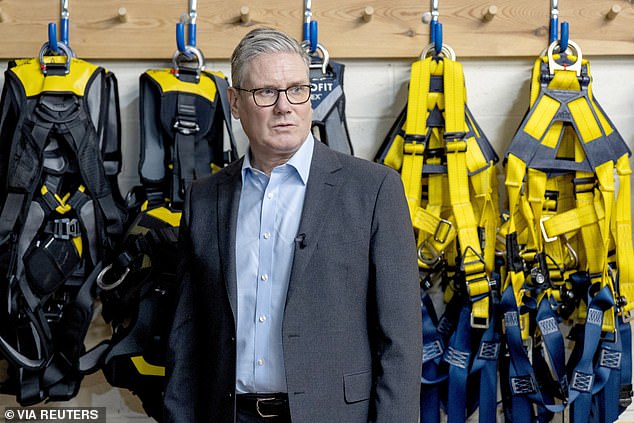
Prime Minister Sir Keir Starmer, who had previously opposed an Australia-style social media ban for under 16s, has changed his position and said that ‘all options are on the table’
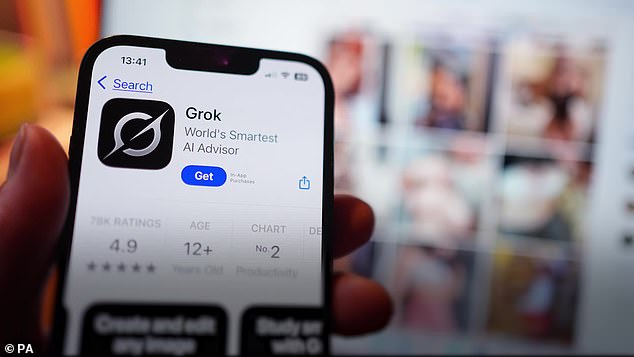
Downing Street is claiming its confrontation with X over Grok AI this week as a ‘vindication’
After indicating he was open to reconsidering his opposition earlier this week, Sir Keir said today: ‘We need to better protect children from social media.
‘We’re looking at what’s happening in Australia, but all options are on the table in relation to what further protections we can put in place, whether that’s under-16s on social media, all options on the table.
‘Or an issue I’m very concerned about, which is under-fives and screen time. And we’re the first government to take action in relation to that, because children are turning up at school aged four, to reception, having spent far too much time on screen.’
The Prime Minister added: ‘So, across the board, we will take further action to protect children.’
It is understood that ‘discussions are taking place’ in Government about a ban, however there are concerns among some that the Australian ban has not been as straightforward as anticipated.
Officials also point to opposition to a blanket ban by the NSPCC and suicide prevention charity the Molly Rose Foundation, which have said that banning social media for under 16s is ‘not the answer’.
The NSPCC has warned that a ban ‘would be a blunt approach to a complex problem’ while Molly Rose expressed concerns about the ‘unintended consequences of bans’, arguing that they risk ‘pushing harm to unregulated areas rather than making products safe by design for children’.
Andy Burrows, chief executive of the foundation, said: ‘Government should respond to overwhelming calls from parents for decisive action by fixing regulation with evidence-based solutions, not simplistic and populist calls for social media bans that would risk causing more harm than good.’
However a source said the Government is not ‘running away’ from a fight with big tech, pointing to this week’s confrontation with X over Grok AI, which Downing Street is claiming as a ‘vindication’.
A Government spokesman said: ‘Through the Online Safety Act, we have taken some of the boldest steps anywhere in the world to ensure children have age-appropriate experiences online, mandating that social media companies protect children from harmful content.
‘A social media ban is not our current policy but we keep all options under review based on the evidence. We are striking the right balance: protecting children from harm while ensuring they can benefit safely from the digital world.’