

Homeowners are learning the rules for deep cleaning a fridge – and the first step is essential.
Along with following all the necessary cleaning rules of thumb, there is a crucial first step everyone must follow when they’re giving their refrigerator a well-deserved deep clean.

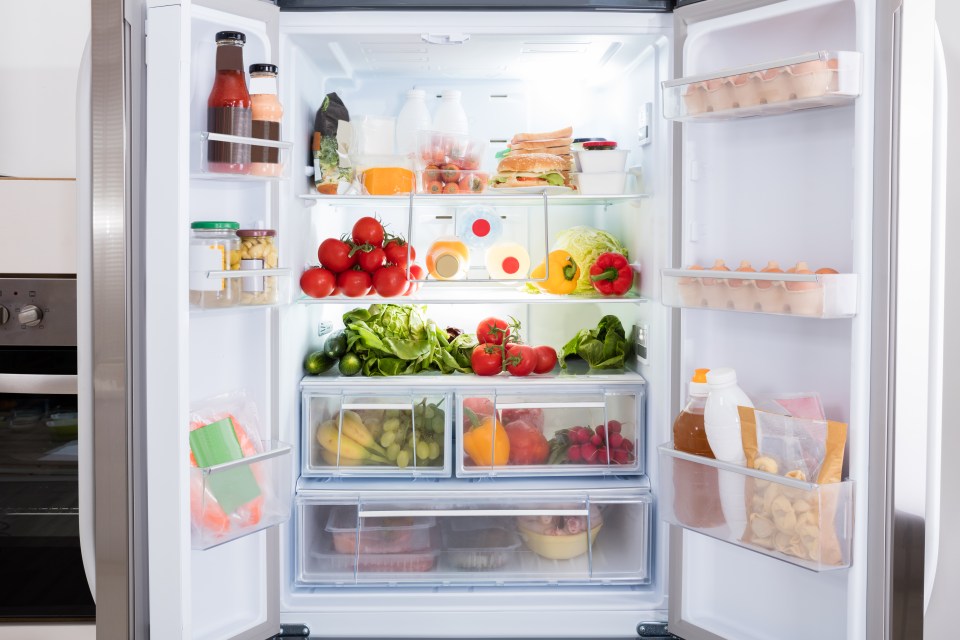
Homeowners should be cleaning their fridge weekly or daily by “disinfecting the door handle and wiping down the surfaces,” cleaning expert Karen Barrigan of Housetastic told Southern Living.
“You should also rotate the food as it starts to get older to prevent things from spoiling. Wipe lids on [food containers], and put paper towels down underneath anything likely to drip,” she continued.
While a frequent clean is more surface-level, a deep clean requires a thorough scrub-down of the interior and exterior of the fridge.
A standard fridge should be deep cleaned every three to four months.


However, a fridge with a built-in water and ice dispenser needs to be deep cleaned every two months.
“Surfaces with moisture and organic matter offer the ideal conditions for a mold spore to transition into a living colony,” said indoor air quality expert and founder of HomeCleanse Michael Rubino.
Experts advise homeowners to first unplug the fridge.
“Since water is present [while cleaning], be sure to eliminate hazards by shutting off all power before scrubbing,” said Kathy Cohoon, operations manager of Two Maids.
This requires people to have an alternate place to keep their food cold while they clean.
However, the absolute first thing homeowners should do before cleaning their fridge is remove all of the food from inside.
While it helps logistically for wiping down the entirety of the fridge’s interior such as shelves and crisper drawers, removing all the food from the fridge is also a good opportunity to check expiration dates and throw out any moldy or expired food.
Homeowners should not clean their fridges with bleach or other harsh chemicals because it could “damage surface materials and possibly release harmful toxins into your food,” said Vera Peterson, president of Molly Maid.
Instead, a mixture of dish soap, white vinegar, and baking soda is an effective replacement.
Experts advise homeowners to remove all the shelves and drawers once the food has been taken from the fridge.
When to clean your refrigerator
“Any shelves, drawers, or other removable parts that can be cleaned individually and subsequently replaced should be taken out,” said Maria Ivanova, founder of Master Maid.
“Cleaning the goods will be much easier if they are not in the refrigerator. Since many of the shelves and drawers fit into a standard kitchen sink, cleaning will be easy.”
Experts advised cleaners not to overlook the rubber seal framing the refrigerator door.
But the seal shouldn’t be cleaned with the dish soap mixture, which could damage it – instead, use a damp cloth and warm water.
Fridges with water or ice-makers have an extra step.
According to Rubino, the water line should be cleaned once every six months to prevent mold or mildew.
To clean out the water dispenser, homeowners should disconnect the water line and drain out any water inside the lines.
Then, fill up the water line and ice maker line with vinegar and leave it for 30 minutes.
The ice maker should be turned on so the vinegar cycles through it.
Finally, pour out the vinegar, rinse it out with water, change the water filter, and reconnect the water line.
“Make sure to run the water dispenser quite a few times afterward to get rid of all the vinegar in the lines. Also, toss the first few batches of ice for the same reason,” Rubino advised.