The sight of a new small, rounded tummy in any group of mothers is sure to elicit the same reaction. A second glance to ‘make sure’ and then come the congratulations.
As a mother with two young boys, I’ve been in this situation many times. Yet while my friends excitedly ask about dates, birth plans and name shortlists, I always stay resolutely silent.
Of course, I’m mentally wishing this woman all the best, I just can’t say that word – congratulations – as if a healthy living baby is a done deal.
Because often, as too many of us know, it isn’t, and that woman’s smile, as she thanks everyone, may be masking untold pain.
I’d been that woman too, and I know the agony of being congratulated for a baby you’re no longer carrying – and also one you’re terrified you’ll never get to hold.
I was lucky with my first pregnancy at 34. My partner and I were blessed to conceive within weeks of trying, and my pregnancy was straightforward.
In September 2020, I had a beautiful, healthy, 7lb 9oz boy. Two years later, I was elated when I conceived once more, again with little effort.
The added bonus was that I knew plenty of other women who were also pregnant. I imagined meeting their babies and our children becoming friends. The congratulations came thick and fast.
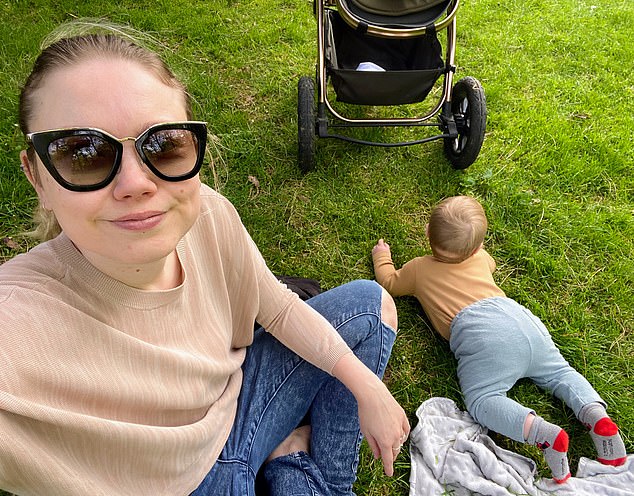
I know the agony of being congratulated for a baby you’re no longer carrying – and also one you’re terrified you’ll never get to hold
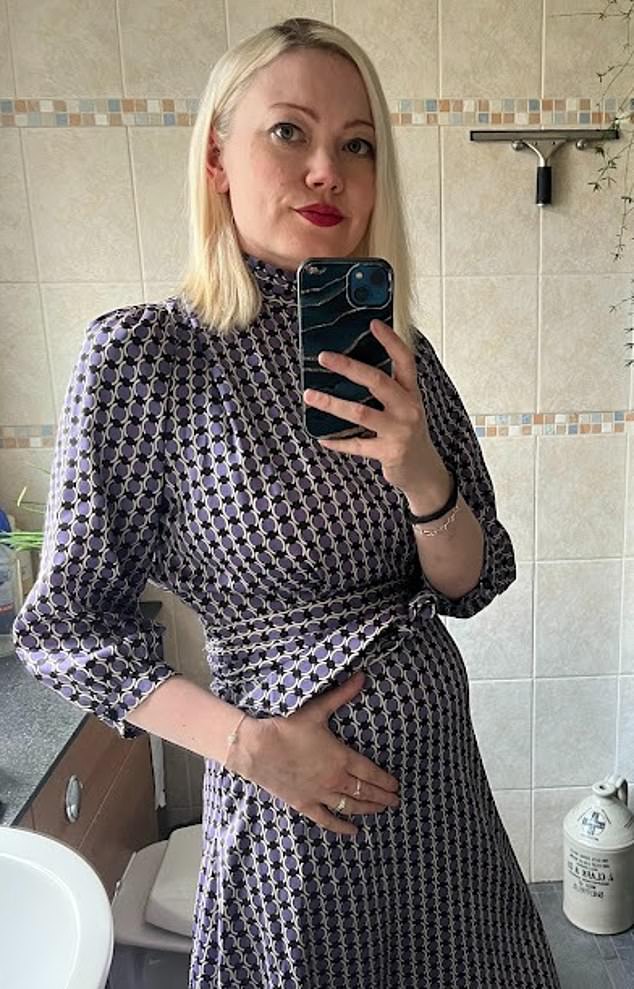
While my friends excitedly ask about dates, birth plans and name shortlists, I always stay resolutely silent
By 18 weeks I’d started feeling the baby move. I had told my son about his new brother or sister and received various gifts like a play mat and little cardigans.
At the 20-week scan, my partner and I were excited to find out the baby’s gender. What we found instead ripped a hole through the core of my being.
We discovered that my baby had a set of three cardiac anomalies that were incompatible with life, and two weeks later, the baby died, meaning I had to undergo a traumatic operation.
It was like losing a part of myself. How could my family ever be complete now? I’d never get to see any of the milestones of childhood – I wouldn’t even get to see their face.
To make things harder, I had to stay strong for my son, who was still only two, so I couldn’t stay at home and weep. It’s a unique experience grieving for a baby you’ve never met, one that only you have felt kick. It’s deeply lonely and complex.
In the two years since, the grief has been so unrelenting that my entire perspective on motherhood has changed. I had failed to deliver the one thing I felt I was supposed to as a mother – a baby who could live. I felt like I’d let everyone down.
But still, I had my little boy to look after. I still had to do nursery pick-ups and playgroups. Having been so excited to be surrounded by fellow pregnant women, seeing their rounded bellies was like torture.
Telling them we’d lost our baby was impossible: I had to text people the terrible news to avoid breaking down.
Hidden from sight are many more stories of loss and trauma – and congratulating someone without knowing what they’ve been through can be a knife in the heart, writes Jen Sizeland
As I still looked pregnant, it was natural there were some who hadn’t heard and offered congratulations. Of course, they were mortified.
It wasn’t just my own sadness, though. In the depths of my grief, I worried that every expectant mother I saw would go through the same thing.
Desperate to feel less alone, I sought out stories of baby loss online. As I heard and read about the devastating stillbirths, miscarriages, life-limiting diagnoses and difficult times in the newborn intensive care unit, I knew I could no longer congratulate people on their pregnancies. I didn’t want to make the same mistake people had with me.
While I want everyone to have a wonderful experience, we only see the babies and children who live.
Hidden from sight are many more stories of loss and trauma – and congratulating someone without knowing what they’ve been through can be a knife in the heart. I am now painfully aware that I’m not alone in my experience of loss, so I never make assumptions.
Six months after the death of my baby, I became pregnant again. This time, I kept it a secret, unable to let go of the worry that the same thing could happen again.
Despite extensive testing, doctors had never found out why my baby had such serious heart problems. By 24 weeks, though, this pregnancy was impossible to ignore. It felt like, in acknowledging this new pregnancy, my other baby was being forgotten.
I cried in the operating theatre last year when my second son was born, by elective Caesarean. Only when I saw his little purple face and heard him cry did I believe that he might be OK. At that point, I finally allowed myself to be inundated by the good wishes of the medical team.
Now that I’ve been through such a harrowing experience, I make a point of never congratulating a woman when she announces she’s pregnant. Instead, I ask her how she’s feeling.
While it’s so important to be positive around prospective parents, it’s still vital to leave room for the trauma, insecurity, sadness and messiness of the process of procreation.
I save my congratulations until the baby has been born. Then, and only then, will I say that word.