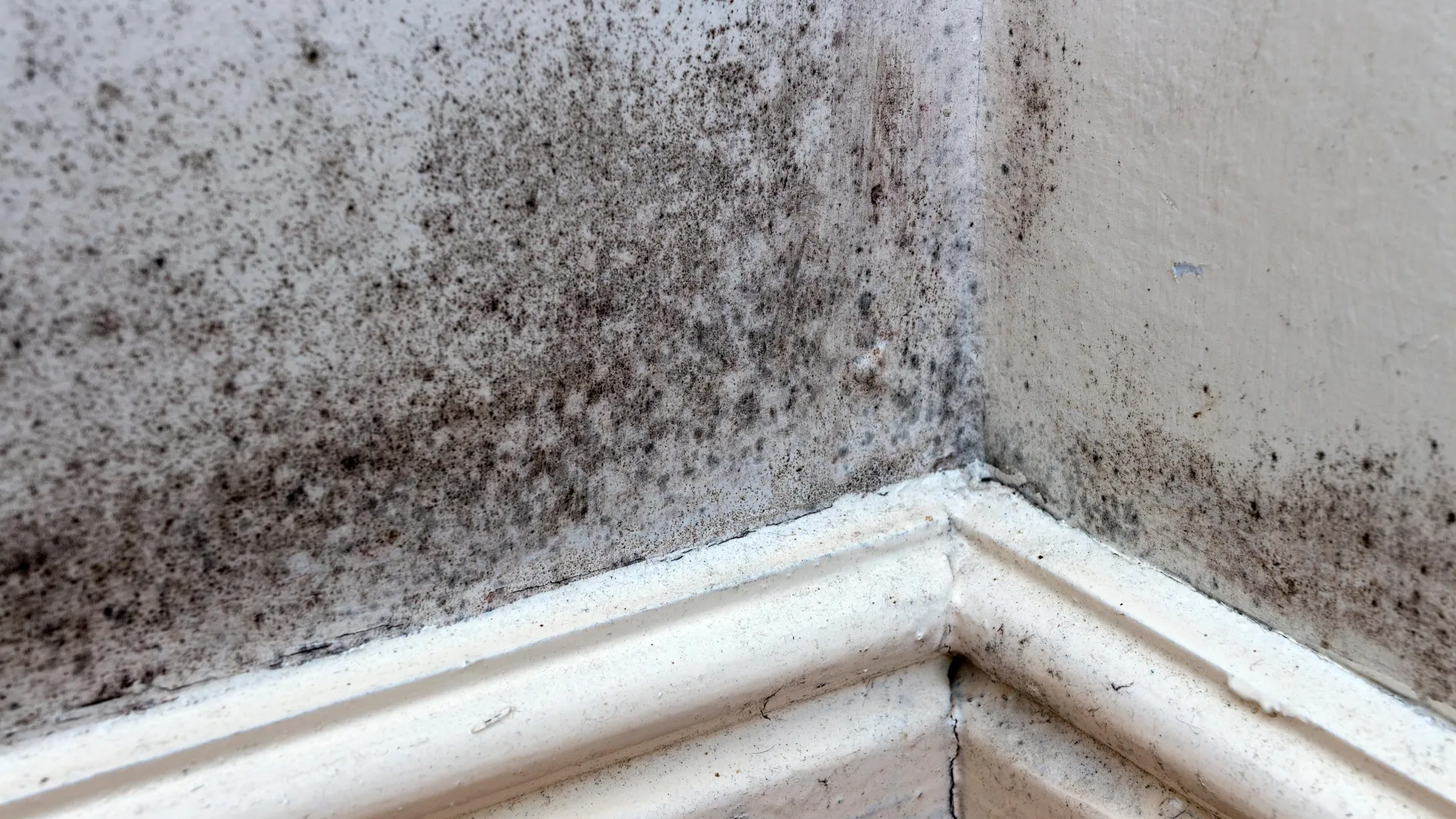
AS temperatures drop below zero in parts of the UK, Brits are looking for ways to ward off mould in their homes
As many of us crank up our heating, cook hot meals and turn to gadgets like electric blankets, our homes can get quick fast – and while it feels nice and toasty for our bodies, it can attract mould.
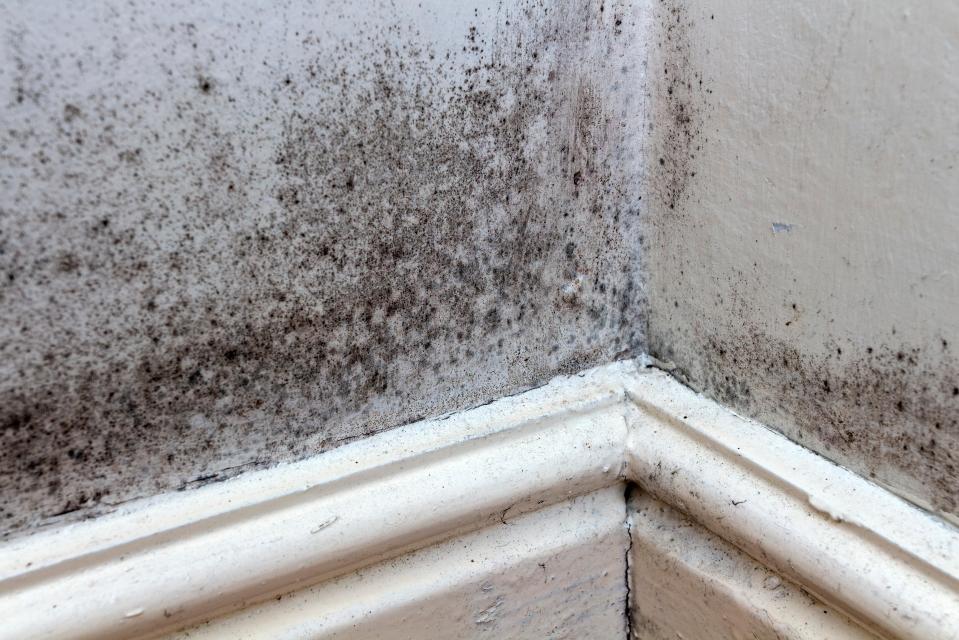
When moist air encounters a cool surface, such as a wall, window, or mirror, the moisture condenses into water droplets. It is this condensation that creates mould that could ruin walls and furniture as well as impact your health.
Experts say that maintaining a consistent minimum indoor temperature can help you stay in control and keep potential mould issues at bay.
The World Health Organisation (WHO) and the Energy Saving Trust agree that to avoid damp, mould and condensation, your home should have a minimum temperature of 18C. They advise it should be no higher than 21C.
While it may be tempting to turn your heating up, keeping it in this range provides a good balance between energy and comfort efficiency.
READ MORE ON ENERGY BILLS


Hayley Janssen, public health researcher at Public Health Wales, expands on this: “[The] Welsh Government currently advise households to set temperatures to 21C in the living room and 18C in other rooms for nine hours in every 24-hour period on weekdays, and 16 hours in a 24-hour period on weekends”.
Using smart meters is an easy way to keep track of the temperature in your home.
It is also advised that you keep your home draft free, plus well insulated and ventilated.
You can also prevent adding a lot of moisture in the air – that would attract mould – by keeping lids on pans and reducing shower times.
Plus, you can get rid of extra moisture by opening windows and utilising extractor fans as well as installing vents.
You should also avoid blocking heat sources with your furniture.