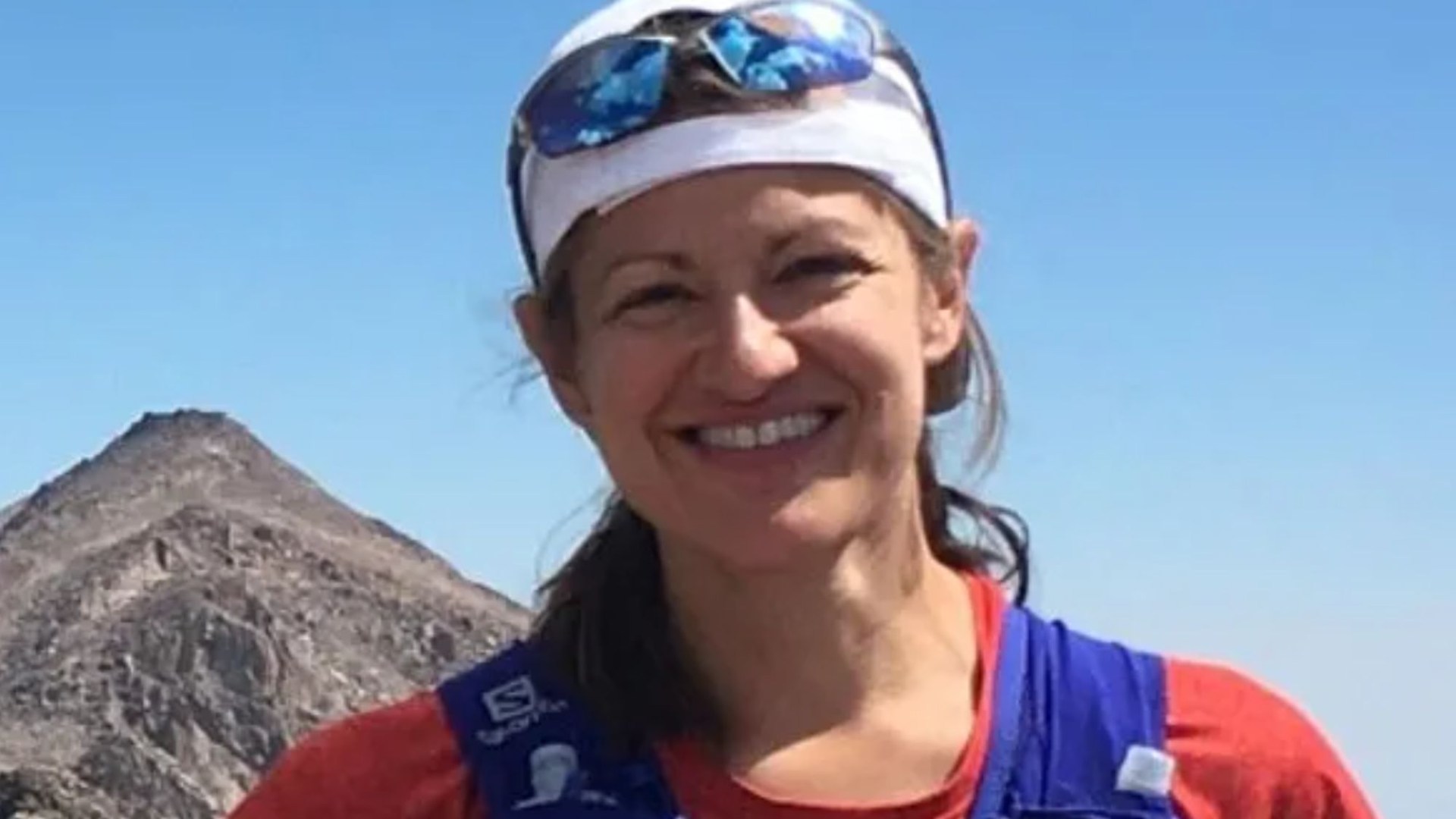
THE woman who was tragically mauled to death by a mountain lion has been identified as a beloved medical assistant.
Kristen Marie Kovatch, 46, was hiking near Glen Haven, Colorado on New Year’s Day when the predator launched the fatal attack.
An autopsy found she died from asphyxia after her neck was compressed by the beast, according to the Larimer County Coroner’s Office.
The tragedy is the state’s first fatal lion attack in a quarter of a century.
Kristen’s devastated brother Jeffrey Kovatch posted a touching tribute on Facebook alongside a photo of his sister.
He wrote: “She died doing something she loved deeply, hiking and taking in the beauty of Colorado and its public lands.

“I keep hoping this is all just a nightmare I’ll wake up from.”
Jeffrey said his sister, who previously worked as a medical assistant at the UCHealth Heart and Vascular Clinic, had many passions and was always there for her family.
He added: “Kristen was so loved by our immediate and extended family, her friends, and her coworkers.
“She was an amazing aunt to my three kids, a tender caretaker to my elderly parents, and my baby sister who I will miss dearly.”
Kristen was also an avid ultramarathon runner and a devoted animal lover, CBS News reported.
She worked as a “dedicated medical assistant” in Fort Collins from 2011 until 2021, a UCHealth spokesman told 9News.
The representative added: “UCHealth is saddened to learn of the tragic death of Kristen Marie Kovatch.
“We extend our heartfelt condolences to her loved ones.”
Two hikers stumbled across the horrifying scene on the Crosier Mountain Trail on New Year’s Day, with a mountain lion about 100 yards away.
They hurled rocks to scare the animal away before discovering she had no pulse.
Another was discovered shortly after and both of the wild animals – revealed to be a male and a female – were later euthanised.
A necropsy revealed that one of the animals had human DNA on it, Colorado Parks and Wildlife officials confirmed.
Agency spokesman Kara Can Hoose said: “Human DNA was found on all four paws of the male subadult lion.
“No human DNA was detected on the female subadult. Both lions tested negative for rabies.”
All three Crosier trails were shut as emergency crews responded, but have since reopened. Warning signs and educational messages about mountain lions remain in place.
Officials initially searched for a third mountain lion but later ended the effort.
While mountain lion attacks are rare, 28 have been reported in the state over the past 36 years.
Mountain lions can weigh up to 130 pounds and grow as long as six feet.
They mainly prey on deer, but also hunt elk and smaller animals such as rabbits, rodents and coyotes.
Officials warn the big cats may be more visible during winter months.
Hikers are advised to make noise, appear larger and slowly back away if they encounter one.
What to do if you see a mountain lion
If a mountain lion approaches, you should:
- Pick up all children off the ground immediately.
- Do NOT approach the lion
- Stay calm. Talk calmly and move slowly.
- Face the lion and remain in an upright position.
- Do not turn your back on the lion. Back away slowly.
- Do NOT run.
- Do all you can to enlarge your image. Do NOT crouch down or try to hide
- If the lion is aggressive, throw rocks, sticks, or anything you can get your hands on.
- If the lion attacks, fight back. Fighting back can drive off lions.
Source: TPWD