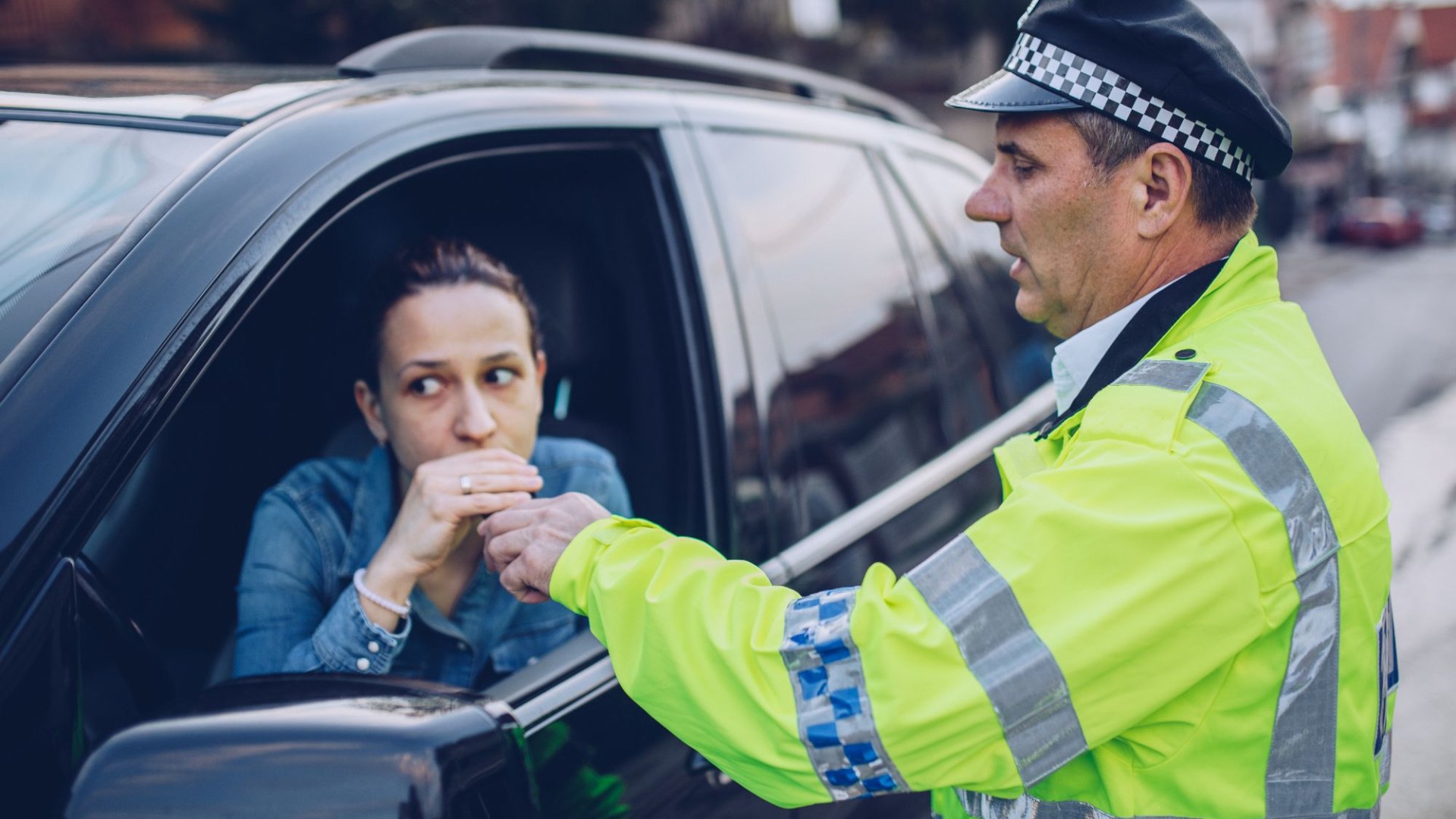
DRIVERS could be limited to one pint or even less under a tightening of drink-driving laws proposed by Labour.
Ministers will consult on lowering the threshold from 35mcg of alcohol per 100ml of breath to 22mcg — the first change since 1967.
Newly-qualified drivers face even stricter rules as the Government seeks to lower fatal crash figures.
Drink-driving remains a major killer, with one in six road deaths involving alcohol in 2023.
The consultation could also see cars fitted with alcolocks and licences suspended when a suspect awaits court, plus tougher penalties and more training.
But last night critics claimed any change will make no difference — and the Government was “pursuing its vendetta” against the struggling pub trade.
Landlords fear punters will avoid any alcohol if one strong lager could put them over the new limit.
England and Wales’s Europe-high limit of 35 micrograms of alcohol per 100 millilitres of breath — or 0.08 per cent blood alcohol — has not changed since 1967.
Under the proposals it could be cut to 22 micrograms (0.05 per cent blood alcohol), bringing the two nations into line with Scotland, France, Germany, Italy and Spain.
Several Eastern European nations enforce zero tolerance.
How quickly someone goes over the limit depends on age, metabolism and whether they have eaten.
Local Transport Minister Lilian Greenwood said: “Driving under the influence of alcohol puts everyone at risk. Every drink-drive collision represents a preventable tragedy.
“For nearly 60 years our limit has remained the same while other countries have acted. We are determined to change this. This vital consultation will consider lower limits for all drivers, with even stricter rules for novice drivers.”
Ministers will also consult on putting alcolocks in an offenders’ vehicle as a condition of them being allowed to drive again.
The tech stops a car starting if alcohol is detected on a driver’s breath. It would be used in specific cases rather than being mandatory.
Meanwhile, licences could be suspended for drink-drive suspects who are due in court.
Ms Greenwood added: “I have met families who have lost a loved one to a collision with a drunk driver who was under investigation for a serious drink-driving offence. This cannot be right.”
AA president Edmund King called the proposals a “radical reframing of road safety”.
But he said ministers have missed the opportunity to limit young drivers from carrying peer-age passengers in the months after passing a test.
Christopher Snowdon, at think tank the Institute of Economic Affairs, said the lower limit would have little impact — and could hammer pubs.
Last year an average of one a day closed in England and Wales.
From April, landlords will face higher national minimum wage and National Insurance costs, plus the end of Covid business rates relief.
Mr Snowdon said: “After the limit was cut in Scotland in 2014, there was no reduction in road accidents.
“It is easy to see why. Drink-driving accidents typically involve people who are well over the limit who will only be deterred by proper enforcement of the law, not by tinkering with the existing limit.
“Once again, the Government is persecuting the sensible majority and pursuing its vendetta against the pub trade. Can’t it find something worthwhile to do?”
The strategy also targets drug-driving, with police set to explore faster roadside saliva tests to catch offenders more quickly and bypass lab delays.
Between 2014 and 2023, driver fatalities where drugs were present rose by 70 per cent.
Other measures to be consulted on include a minimum learning period for learner drivers, and a crackdown on uninsured vehicles and illegal plates.
The overall goal is to cut deaths and serious injuries by 65 per cent by 2035, with a 70 per cent target for children under 16.
The RAC’s Rod Dennis said the strategy “can’t come soon enough” and welcomed the return of the casualty reduction targets.
Government officials say Britain has slipped behind much of Europe on road safety.
They pointed to 22 European countries making more progress in reducing road crash deaths over the past decade.
The number of people killed on Britain’s roads has generally fallen since the 1970s. But this decline has slowed markedly since 2010.
There were 7,763 road deaths in 1972, compared with 1,850 in 2010 and 1,602 in 2024.
Transport Secretary Heidi Alexander said: “Every life lost on our roads is a tragedy that devastates families and communities.
“For too long, progress on road safety has stalled. We are taking decisive action to make our roads safer for everyone, from new drivers taking their first lessons to older motorists wanting to maintain their independence.
“The measures we are announcing today will save thousands of lives over the coming decade.”
Tory Shadow Transport Secretary Richard Holden said: “The real risks on Britain’s roads are the lack of enforcement against drug- driving, uninsured and unlicensed drivers, and dangerous drivers.
“It is crucial that, rather than just printing new rules, those that we have are properly enforced against the minority of drivers who put everyone’s lives at risk.”
Learner wait bid
By Martina Bet
LEARNERS will be forced to wait up to six months before taking their practical test, if ministers get their way.
A minimum gap between passing the theory test and taking the practical exam is being proposed to try to stop inexperienced teenagers from being able to rush unsupervised on to roads.
About one in five deaths or serious injuries in crashes involve a young driver, figures have shown.
Officials believe the longer gap will allow learners more experience in night driving, bad weather and heavy traffic.
Most of the driving tests in Britain are taken by under-25s.
The move would put an end to teenagers passing their tests days after turning 17.