
MENOPAUSE and prostate patients will be some of the first to use the new NHS “online hospital” next year.
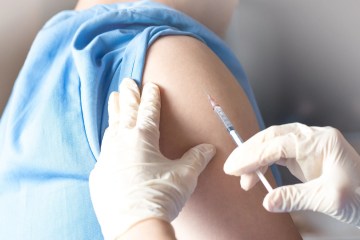
The completely remote clinics will launch in 2027 and treat people through the NHS app, phone and video calls and at-home monitoring gadgets.

It will replace face-to-face appointments as standard in a bid to speed up care and cut waiting lists.
In-person appointments will still be available if patients want them.
The first nine conditions that the system will be set up to treat are:
- Menopause
- Menstrual problems that may be a sign of endometriosis
- Prostate enlargement
- A high prostate-specific antigen (PSA) test result
- Iron deficiency (anaemia)
- Inflammatory bowel diseases
- Cataracts
- Glaucoma
- Other retinal eye damage

NHS Online will make healthcare as simple as ordering a cab or a takeaway
Wes Streeting,
Health Secretary Wes Streeting said: “Building a health service that’s fit for the future requires revolution.
“NHS Online will make accessing healthcare as simple as ordering a cab or a takeaway – fundamentally changing how people interact with the NHS for generations to come.”
Professor Stella Vig, top surgeon and a director at NHS England, said: “The NHS’s new online hospital will see a huge shift in the way we deliver care.
“It will give patients the option to have an online appointment with a specialist anywhere in England.”
Prime Minister Sir Keir Starmer unveiled his plans for the NHS Online digital hospital service in his speech at the Labour Party conference last year.
He called it “a new chapter in the story of our NHS” and added: “Why not have a doctor see you at home in your living room, on an iPad.
“No queues, no three-hour trip on the bus, no cancellation letters that arrive after the appointment date.”
The system is being set up with the help of top doctors and will treat the first patients in 2027.
Many private healthcare providers already use similar set-ups.
NHS England said NHS Online will do 8.5million virtual appointments in its first three years – four times more than the average hospital.
TIMELINE OF THE NHS WAITING LIST
THE NHS waiting list in England has become a political flashpoint as it has ballooned in recent years, more than doubling in a decade.
The statistics for England count the number of procedures, such as operations and non-surgical treatments, that are due to patients.
The procedures are known as elective treatment because they are planned and not emergencies. Many are routine ops such as for hip or knee replacements, cataracts or kidney stones, but the numbers also include some cancer treatments.
This is how the wait list has changed over time:
August 2007: 4.19million – The first entry in current records.
December 2009: 2.32million – The smallest waiting list on modern record.
April 2013: 2.75million – The Conservative and Liberal Democrat coalition restructures the NHS. Jeremy Hunt was Health Secretary.
April 2016: 3.79million – Junior doctors go on strike for the first time in 40 years. Theresa May is elected Prime Minister.
February 2020: 4.57million – The final month before the UK’s first Covid lockdown in March 2020.
July 2021: 5.61million – The end of all legal Covid restrictions in the UK.
January 2023: 7.21million – Prime Minister Rishi Sunak pledges to reduce waiting lists within a year, by April 2024.
September 2023: 7.77million – The highest figure on record comes during a year hit with strikes by junior doctors, consultants, nurses and ambulance workers.
February 2024: 7.54million – Ministers admit Rishi Sunak’s pledge to cut the backlog has failed.
August 2024: 7.64million – List continues to rise under Keir Starmer’s new Labour Government.
December 2024: 7.46million – The list has fallen for four consecutive months – a glimmer of hope.
May 2025: 7.36m – The lowest for two years, since 7.33m in March 2023.
October 2025: 7.4m – Increased in June, July, August and October, slowed only by a small dip in September.