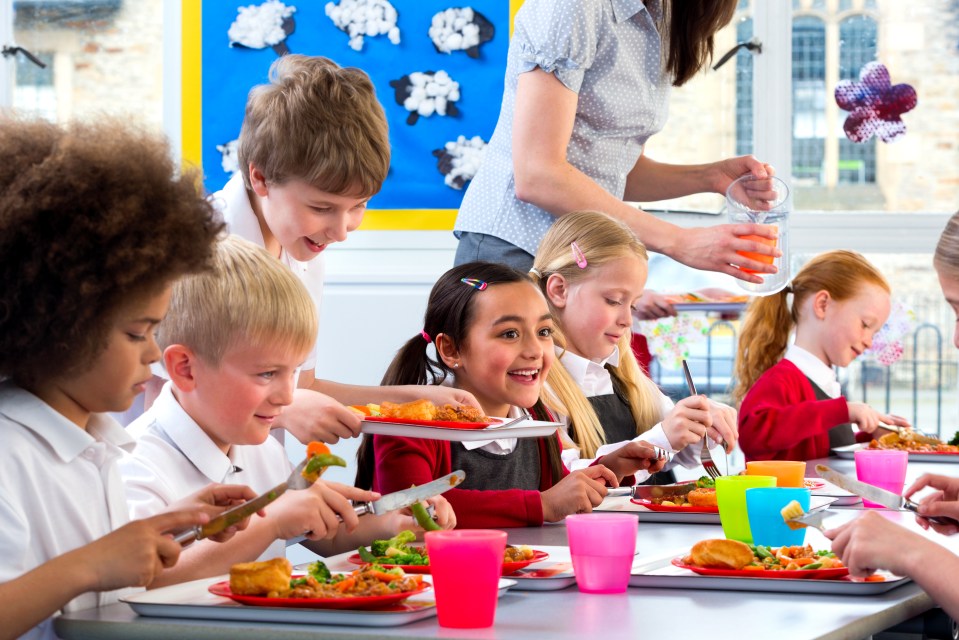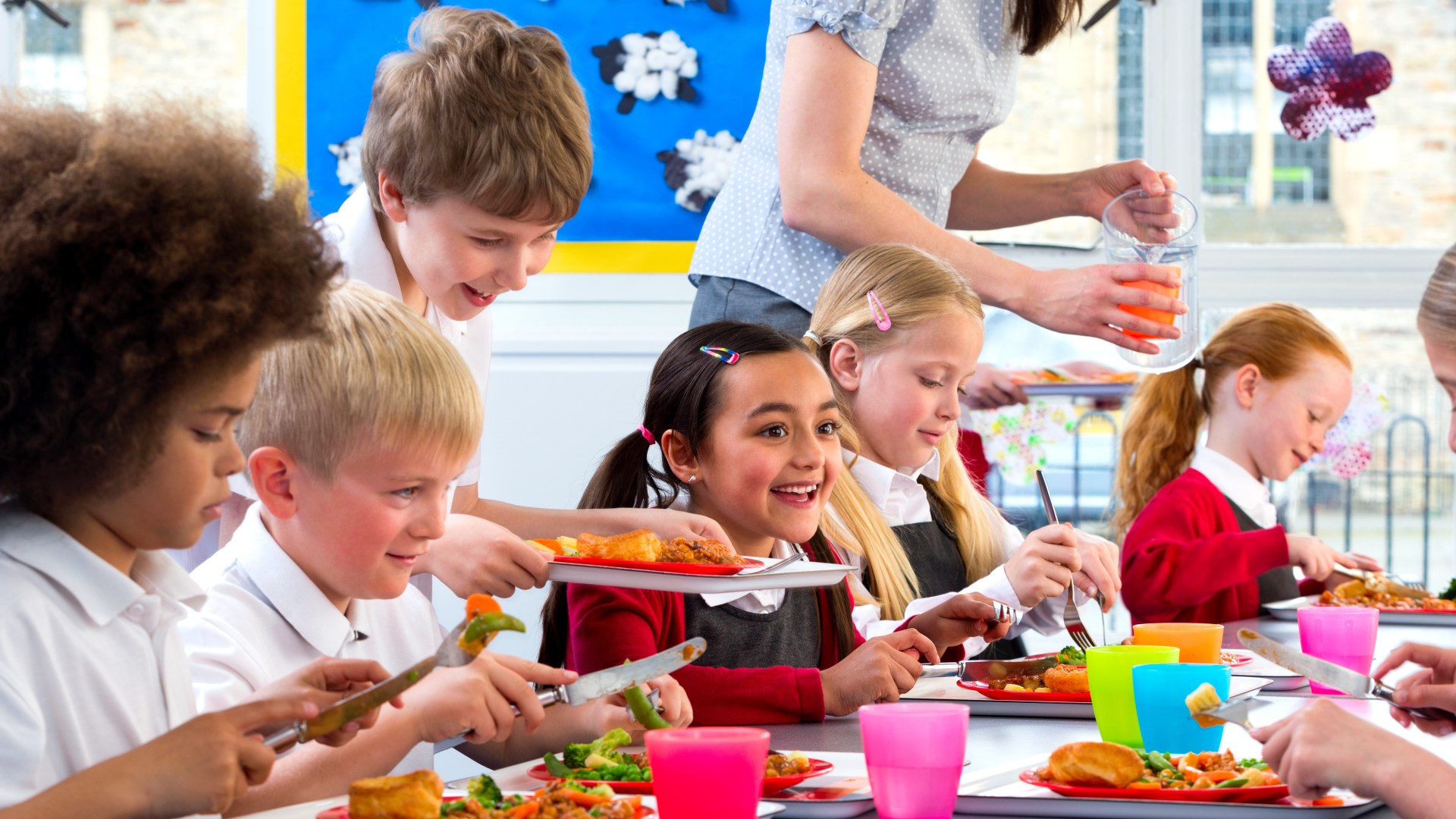
FAMILIES and experts have been left outraged after the price of school meals was hiked for the first time in nine years.
The latest price increases have been introduced across Northern Ireland in January, but families in England are also being hit as individual schools raise meal costs amid soaring food and staffing expenses.
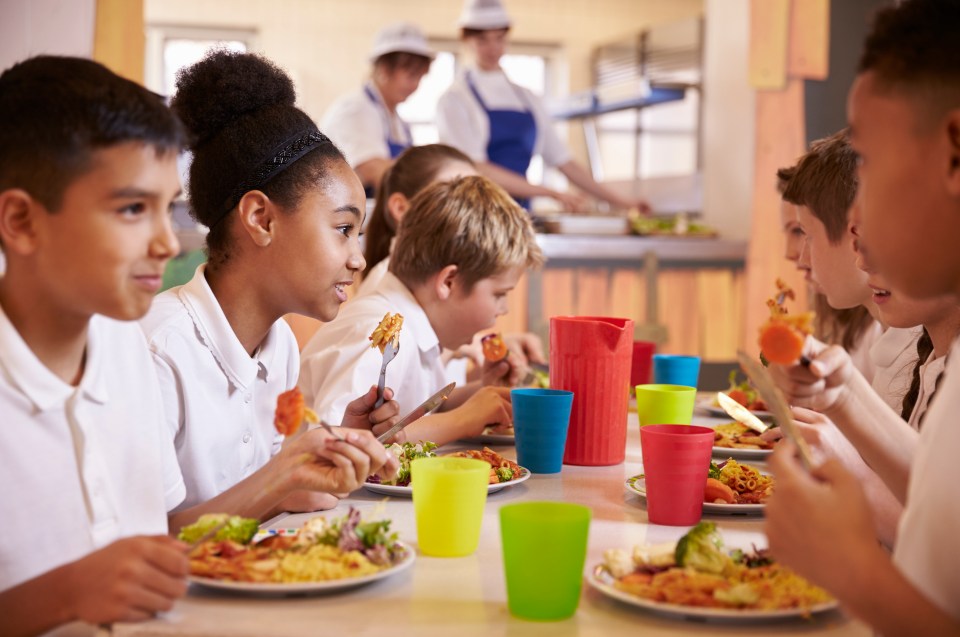
The rise has been described as particularly damaging for children living in poverty who do not qualify for free school meals, with concerns it will worsen hunger and inequality in classrooms.
Under the new charges, the cost of a school dinner for primary and special school pupils has jumped by 50p, from £2.60 to £3.10.
Post-primary pupils face a 19.25% rise on food bought from school canteens, while pre-school meal prices have also increased.
Pupils entitled to free school meals are not affected by the changes, which were introduced as part of savings plans by the Education Authority (EA).
The EA says it is facing a £300million funding gap and, unlike previous years, does not expect additional in-year funding to cover the shortfall.
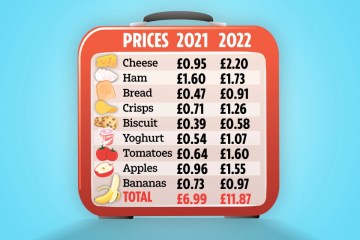
Northern Ireland’s Commissioner for Children and Young People, Chris Quinn, warned the price hikes would “acutely” affect children living in poverty and said the system needs a “fundamental rethink”, with food inflation “going through the roof”.
Mr Quinn told the BBC that the increase could have a “massive negative impact on their education and their health and well-being”, warning too many children were already going to school hungry.
Parents have reacted angrily online, with one writing on Facebook: “So we pay tax to cover those on free meals and then pay for our own children’s meals as well.”
Another commented: “All school meals should be free, ridiculous!”, as frustration mounted over the sudden jump in prices.
The EA said around 210,000 school meals are eaten every day in Northern Ireland, with roughly 90,000 pupils entitled to free school meals.
Officials claim the cost of producing a school dinner now averages £4.28, with inflation rising by around 35% since 2017.
Meanwhile, costs have been going up in England too.
For example, at Delta Morley Place primary school, costs are rising to £2.65 per day from January 2026, with the move blamed on a 25% increase in ingredient costs and an 8% rise in labour costs.
Last year, schools in Shrewsbury, Shropshire also confirmed meals would rise by 10p a day to £2.60 from September 2025, while Bridge Hall Primary in Stockport announced an increase to £2.73.
Fernhurst Junior School in Portsmouth raised its daily rate to £2.86, West Vale Academy in Halifax to £2.60, and Kingskerswell Church of England Primary in Newton Abbot increased prices by 30p to £2.75.
Lunch providers say rising staffing costs, including higher employer National Insurance contributions, have added “significant extra pressure” to already stretched budgets, while food prices have surged and are now 37% higher than five years ago.
About a quarter of pupils in England qualify for free school meals, but campaigners warn the government’s £2.61 per-meal funding no longer covers the real cost.