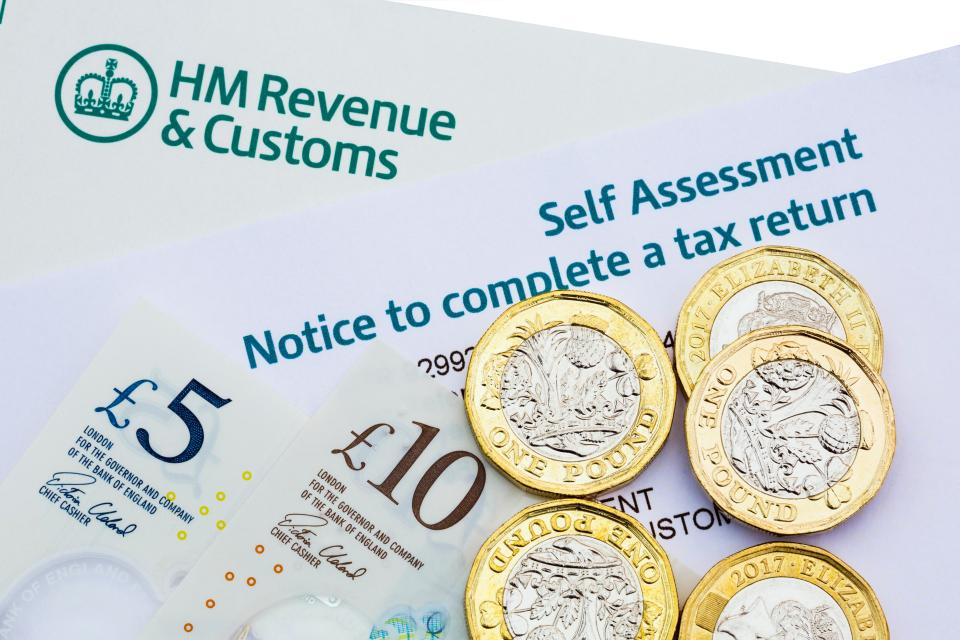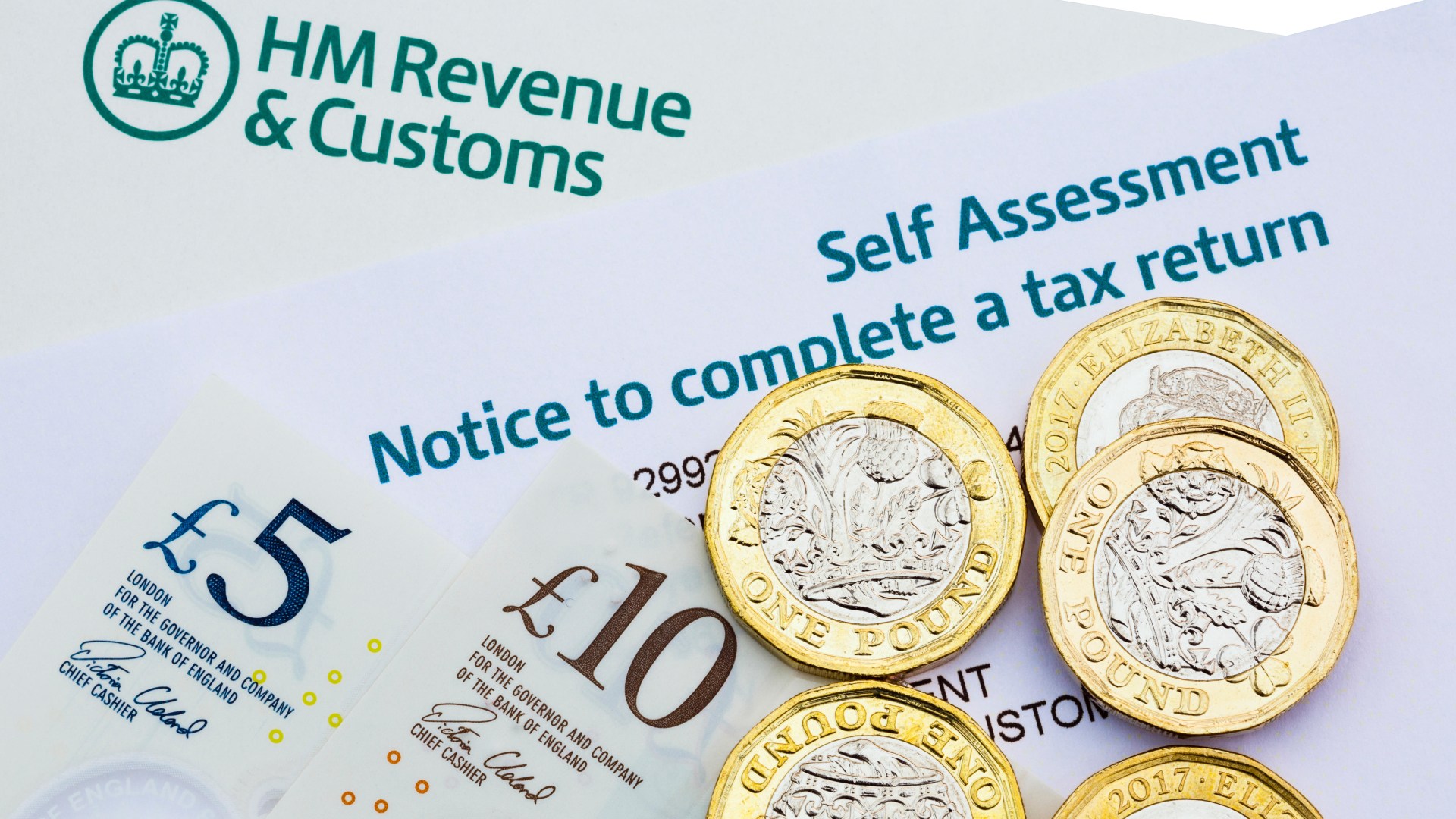
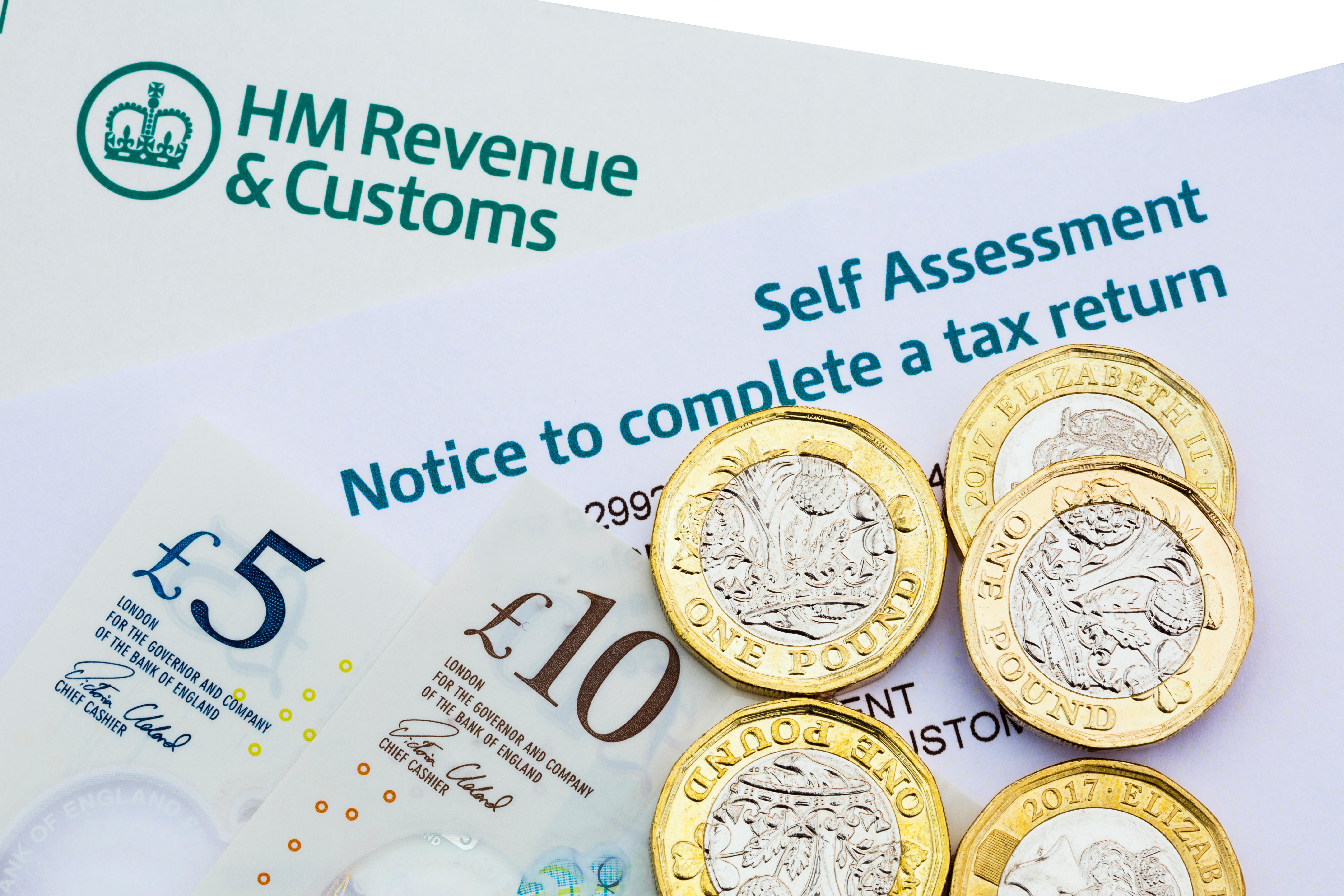
SELF-employed workers are bracing for a brutal January tax bill that is due within days – with some facing a shock demand worth 150 per cent of what they owe.
Anyone who works for themselves must file a self-assessment tax return and pay any tax owed by January 31.
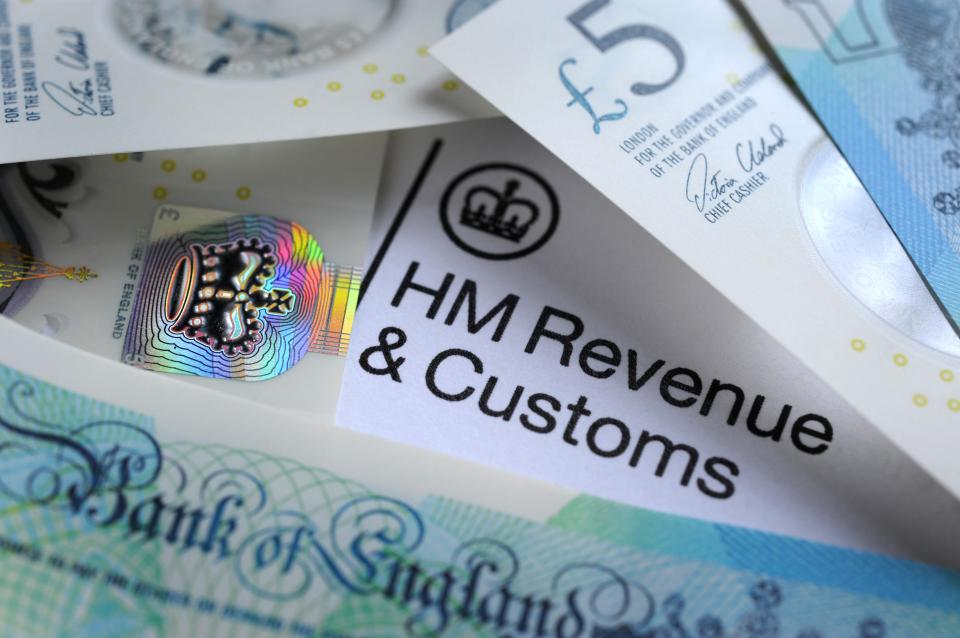
But under rules set by HMRC, many are also required to make advance payments towards next year’s tax.
This system, known as payments on account, can result in a massive upfront bill for first-time filers.
Newly self-employed workers may be forced to pay 150 per cent of their tax bill in January, with another 50 per cent due in July.
Robert Salter, Director Global Mobility at Blick Rothenberg said: “Self assessments tax returns are the income tax return filings, which taxpayers need to complete where they are, for example, self employed or have income or capital gains.”
“Payment on Account are the advance tax payments which one needs to make for future tax years and are innately based on the tax underpayment that arose for a taxpayer’s last set of filed accounts.”
To plan ahead he suggests that it is important to remember that payments from clients are received before tax, and a portion should be set aside to cover income tax and Class 4 National Insurance.
From April 2026, Making Tax Digital (MTD) for income tax will apply to some self-employed individuals and landlords.
Those within scope will need to submit quarterly digital updates of income and expenses, followed by a final annual return.
While this increases administrative requirements, quarterly reporting should help taxpayers better understand their expected profits and tax liabilities throughout the year.
MTD will not apply to everyone initially. It will first affect those with self-employment and/or letting turnover of £50,000 or more (based on gross income), with the threshold reducing in future years.
HMRC uses the self-assessment system to collect income tax.
Tax is usually deducted automatically from wages, pensions and savings, but people and businesses with other incomes must report it in a tax return.
The system is designed to stop people from falling behind on their tax or spending money that should be set aside.
It is also meant to mirror how employees pay tax monthly through Pay As You Earn.
However, it assumes earnings stay the same year to year, which can be a problem for those with fluctuating income.
The deadline to file your 2024–2025 Self Assessment online and pay any tax due is 31 January 2026, late submissions may incur penalties.
Top tips you can do to reduce your tax bill
- Keep accurate and up-to-date records of all income and expenses
- Claim all allowable business expenses, not just the obvious ones
- Set money aside regularly for tax to avoid surprises
- Make pension contributions to reduce taxable profit
- Use annual allowances before they expire
- Consider whether operating as a sole trader or limited company is more tax-efficient
- Get professional advice if your income grows or your situation changes
- There are several payment solutions that may be available, including a Budget Payment Plan, where any payments you make are put towards your next tax bill.
- In some cases, you can arrange a payment plan yourself.
- This option, known as Time to Pay, allows eligible customers to spread their tax payments into manageable instalments over an agreed timeframe.