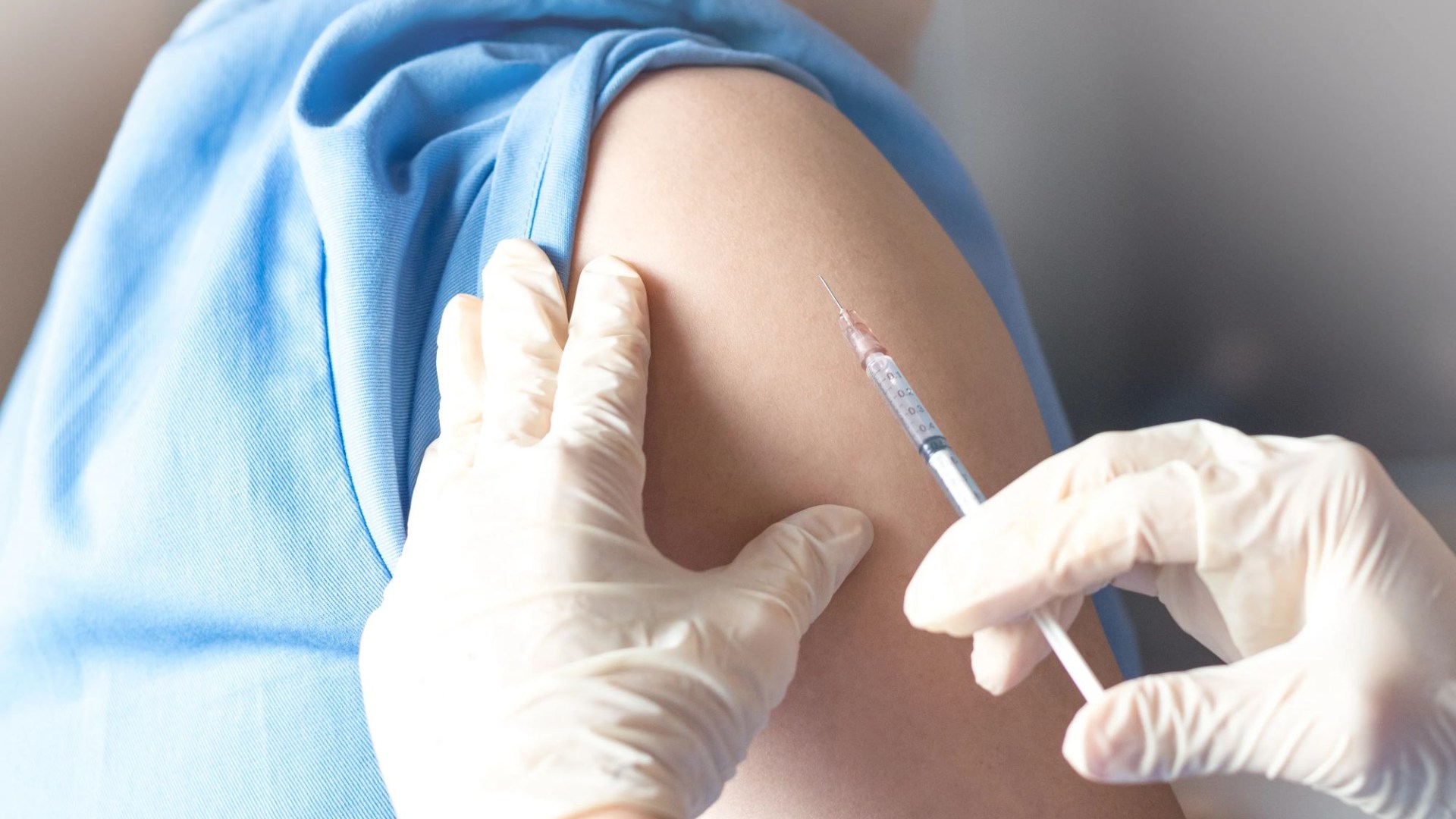
CHICKENPOX jabs will be offered to all children on the NHS for the first time from today.
Vaccination against the varicella virus will be added to the measles, mumps and rubella injection in a four-in-one jab called MMRV.
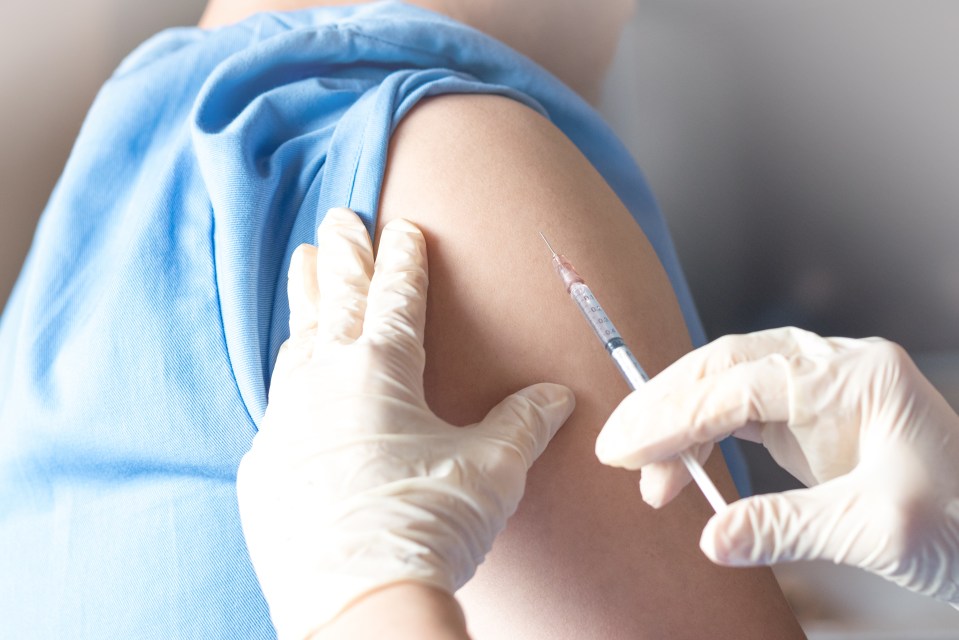
It has been used for years in the US, Canada and Germany.
British toddlers will now be offered two free doses of it as part of routine immunisations, at 12 months and 18 months.
All those born since 2020 will also be offered it under a catch-up programme.
The UK Health Security Agency’s Dr Gayatri Amirthalingam said: “Most parents probably consider chickenpox to be a common and mild illness.
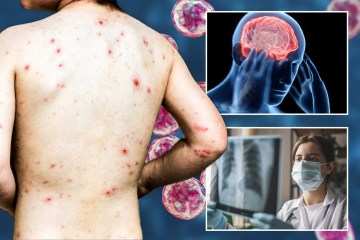
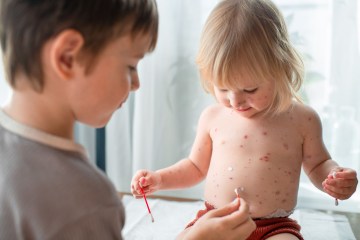
“But for some babies, young children and even adults, chickenpox can be very serious and tragically even fatal.”
Chickenpox is highly contagious and 90 per cent of children get it before age 15.
Most recover after a rash and fever but some suffer more severe symptoms and about 20 die each year.
Vaccines had been only free to very high risk groups.
GPs will contact parents with eligible children.
How to treat chickenpox at home
Chickenpox is a common illness among children, characterized by an itchy rash and flu-like symptoms.
While it usually resolves on its own, there are several ways to manage the symptoms at home effectively.
Dr. Zoe Williams, a General Practitioner, shares essential tips for treating chickenpox.
She emphasizes the importance of keeping the skin cool to reduce itching and avoiding scratching to prevent infection and scarring.
Calamine lotion and antihistamines can help soothe the itch, and paracetamol can be used to manage fever, but ibuprofen should be avoided as it can lead to severe skin reactions.
Hydration is crucial, and giving children plenty of fluids can help. Additionally, oatmeal baths and loose clothing can provide comfort. Dr. Williams warns against exposing children to the sun, as it can exacerbate symptoms and cause complications.
By following these guidelines, parents can help their children manage chickenpox symptoms more comfortably and reduce the risk of complications.